When Tania Nemer, a dual Lebanese-American citizen and former immigration judge, was abruptly fired from her federal post, it might have seemed like just another headline in the ongoing saga of government shakeups. But her lawsuit against the U.S. government does more than challenge her dismissal—it could fundamentally alter how civil rights laws protect millions of federal employees.
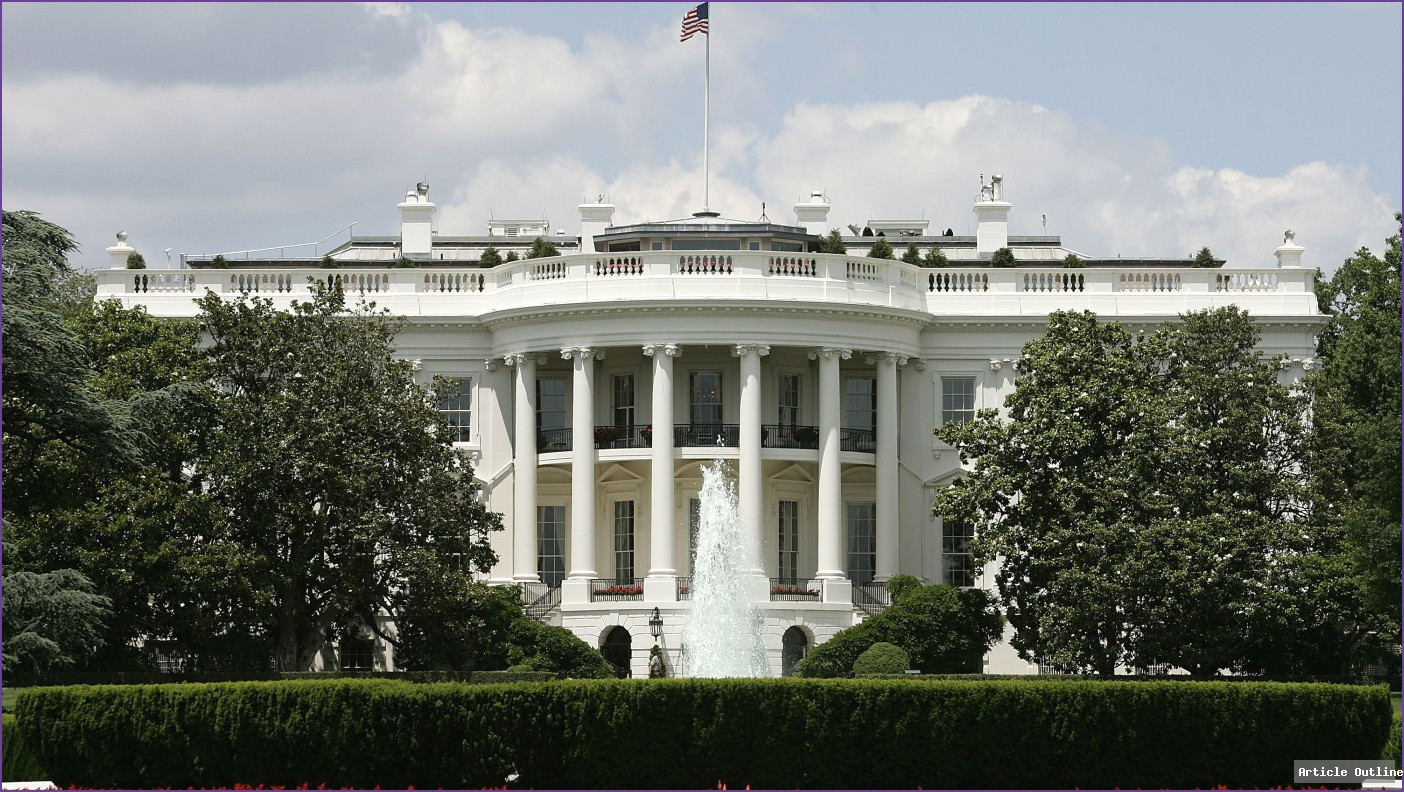
This case is far more than a personal battle—it’s a legal flashpoint that could redefine the boundaries between presidential power and the core civil rights protections Americans have relied on for decades.

Why This Matters
- If the courts side with the government, the president could potentially fire federal employees for their gender, national origin, or political beliefs—with little to no recourse for those affected.
- This challenge puts the Civil Rights Act of 1964 and First Amendment protections in direct conflict with the president’s Article II powers under the Constitution.
- The outcome could reshape everything from how agencies hire and fire workers to the very notion of a non-partisan civil service.
What Most People Miss
- Probationary federal employees—who make up roughly 20% of the federal workforce at any given time—are especially vulnerable. Even though they have fewer job protections, they are still supposed to be shielded from discrimination.
- This isn’t just about one judge. If the government’s argument prevails, it could extend to all federal workers—setting a precedent that trickles down through every federal agency.
- The government’s claim relies on a rarely tested constitutional theory: that Article II executive authority can override statutory civil rights protections. This could open the door to broader executive control over the federal workforce, with political loyalty taking precedence over merit.
Key Takeaways
- Nemer’s lawsuit alleges she was fired not for job performance, but for her gender, her dual citizenship, and prior political activity—all protected categories.
- The Justice Department’s defense: The president’s constitutional authority trumps civil rights laws in executive branch employment decisions.
- The Equal Employment Opportunity office dismissed Nemer’s complaint, citing a conflict between Title VII and presidential powers—effectively signaling that discrimination could be permissible if justified by executive authority.
- Potential ripple effect: If this legal logic holds, future administrations could use similar reasoning to remove civil servants based on personal or political factors, undermining decades of civil service reform.
Industry Context & Comparisons
- Past attempts to politicize the federal workforce—such as the controversial “Schedule F” executive order under the Trump administration—have sparked fierce debate about maintaining impartial, professional public service.
- Historically, the U.S. has built layers of job protections for civil servants to prevent patronage, discrimination, and political retaliation—core tenets shaped by scandals like the 19th-century “spoils system.”
- Similar legal arguments about presidential power have arisen in disputes over the firing of FBI directors, U.S. attorneys, and other high-profile roles—but rarely have they threatened to reshape everyday civil rights protections for thousands of workers.
Pros and Cons Analysis
- Pros (of government’s argument): Greater executive flexibility, more direct presidential control over agency personnel, easier removal of underperforming or politically misaligned staff.
- Cons: Erosion of civil rights safeguards, increased risk of discrimination, politicization of federal agencies, loss of talent, and undermining of public trust in government.
The Bottom Line
Tania Nemer’s lawsuit is a bellwether for how the U.S. government will balance executive power with long-standing civil rights protections. If the courts decide that a president can override anti-discrimination laws to fire federal employees at will, the consequences will echo far beyond a single judge’s career. It’s not just about Nemer—it’s about the very future of America’s professional, non-partisan public service.