The recent floods and landslides across Indonesia, Thailand, and Sri Lanka have claimed over 900 lives, making it one of the deadliest weather events in the region in recent memory. But focusing only on the numbers misses the deeper crisis: this disaster is a wake-up call for climate adaptation, disaster management, and social resilience in South and Southeast Asia.
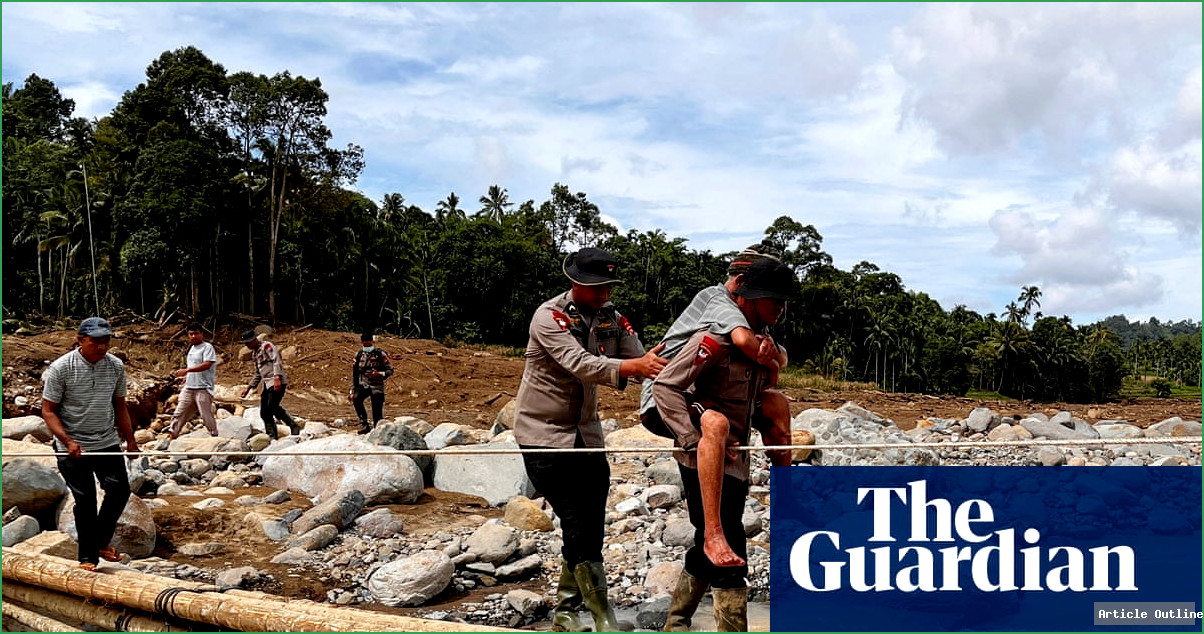
From families stranded in makeshift tents in Indonesia to Sri Lanka’s worst catastrophe since the 2004 tsunami, the real story unfolds in the gaps between preparedness, response, and the accelerating threats of climate change. Here’s why this moment matters—and what most people are missing about the unfolding crisis.

Why This Matters
- Climate Change Is Now Reality, Not Theory: The sheer scale of destruction—over 900 dead, hundreds missing, and entire communities displaced—shows that once-in-a-generation storms are now recurring events. The monsoon, already a powerful force, is being turbocharged by warmer ocean temperatures and erratic global weather patterns.
- Infrastructure and Social Safety Nets Are Overwhelmed: Indonesia and Sri Lanka faced logistical nightmares, with entire towns cut off, roads washed away, and communications down. Even Thailand, which has invested in flood mitigation since its disastrous 2011 floods, struggled as this event tested the limits of its systems.
- Global Implications: These aren’t isolated tragedies. More than 148,000 Sri Lankans are newly homeless, and food, water, and medical shortages are already pushing people to desperate measures. The human, economic, and ecological impact will ripple outward for years.
What Most People Miss
- The Human Cost Is More Than Casualties: Losing a home or livelihood, as in Padang or Colombo, means years—sometimes generations—of poverty and trauma. Quotes from survivors like Afrianti (“My home and business are gone. Nothing remains.”) and Selvi (“I don’t know where to go, but I hope there is some safe shelter.”) hint at long-term displacement that rarely makes headlines.
- Ecological Fallout: Floods destroyed not just infrastructure but also wildlife habitats. Reports of endangered Sumatran elephants buried in mud highlight a silent crisis for biodiversity, often overlooked in disaster coverage.
- Risk of Social Unrest: The looting in Indonesia before aid arrived wasn’t just criminal—it was survival. When logistical failures delay relief, communities hit hardest by climate disasters can spiral into chaos, undermining trust in authorities.
Key Takeaways
- Record Death Toll: Over 900 confirmed dead—442+ in Indonesia, 334 in Sri Lanka, 162 in Thailand—and hundreds more missing.
- Disaster Response Gaps: Delays in aid, communication breakdowns, and inadequate local resources exposed vulnerabilities in all three countries.
- Climate Amplification: The role of Cyclone Ditwah and a supercharged monsoon season paints a clear picture: climate change is intensifying Asia’s natural disasters.
- Long-Term Impact: Reconstruction will take years. Sri Lanka’s president vowed to “build a better nation,” but recovery after the 2004 tsunami took over a decade—this flood’s scars may last as long.
Broader Context and Comparisons
- Historical Comparison: Sri Lanka’s last disaster of this scale was the 2004 Indian Ocean tsunami. In Indonesia, the 2018 Sulawesi earthquake-tsunami killed over 4,300, but this flood is the deadliest weather event since.
- Global Trend: According to the Global Climate Risk Index, eight of the ten countries most affected by climate disasters in the last two decades are in Asia. The frequency and intensity of such events are only expected to rise.
- Disaster Fatigue: Repeated crises erode public trust and strain international aid, making each new disaster harder to recover from. In Thailand, public outrage over flood management led to suspensions of officials—expect more accountability demands in the months ahead.
Action Steps and Practical Implications
- Invest in Climate Adaptation: Governments must prioritize resilient infrastructure and early warning systems. Regional cooperation can help share resources and expertise.
- Global Solidarity: International aid and expertise are crucial—not just for immediate relief, but for rebuilding long-term resilience.
- Community Empowerment: Local preparedness, education, and social safety nets can mean the difference between chaos and coordinated response.
The Bottom Line
This flood is a test—and a warning. The death toll is staggering, but the true story is about how societies respond to the age of climate extremes. Will governments, communities, and the international community learn and adapt, or will these tragedies become the new normal?