When WNBA superstar and two-time Olympic gold medalist Brittney Griner was sentenced to nine years in a Russian penal colony, the world took notice — but most people are missing the bigger picture. This isn’t just a story of a sports icon caught in a legal nightmare. It’s a collision of geopolitics, human rights, international law, and the evolving role of athletes on the global stage.
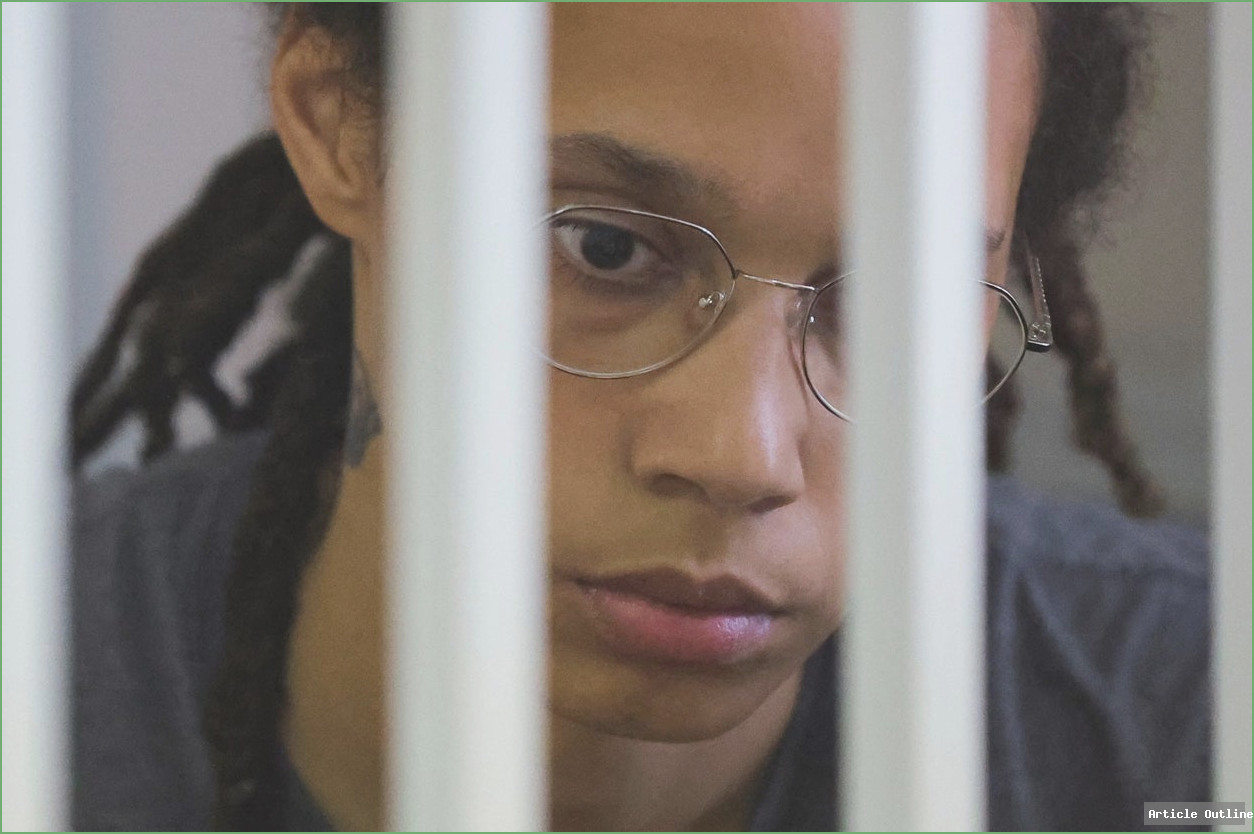
Griner’s case highlights urgent questions: What happens when American citizens are detained abroad amid rising tensions? How do governments balance politics, justice, and the safety of their citizens? And what does her ordeal reveal about the treatment of LGBTQ+ and Black athletes internationally?
Why This Matters
- Griner’s detention is more than a legal issue; it’s a high-stakes diplomatic chess move between the U.S. and Russia.
- The use of high-profile Americans as political leverage is a dangerous precedent.
- Her case exposes the vulnerabilities of athletes and travelers, especially those from marginalized communities, in countries with adversarial relations to the U.S.
What Most People Miss
- Griner’s status as a Black, openly gay woman may impact her treatment in Russia, a country with a track record of anti-LGBTQ+ policies and racism.
- The broader trend of wrongful detentions is on the rise — the U.S. State Department currently lists dozens of Americans as “wrongfully detained” around the world.
- The WNBA’s pay disparity drives star athletes to play overseas, exposing them to geopolitical risks most male athletes never face.
Key Takeaways
- President Biden has publicly committed to negotiating Griner’s release, but such swaps are complex and can set fraught diplomatic precedents.
- Advocacy groups argue Griner and fellow detainee Paul Whelan are being held as political pawns amid the ongoing fallout from Russia’s invasion of Ukraine.
- Families and supporters are urging mercy as the holiday season approaches, underlining the human cost of these international standoffs.
Comparisons and Context
- Similar Cases: Paul Whelan, a former Marine, has been detained in Russia since 2018 on espionage charges, highlighting a pattern.
- Past Precedents: In 2019, American-Israeli Naama Issachar was pardoned by President Putin after significant back-channel negotiations.
- Industry Context: Over 70 WNBA players compete abroad each offseason, often in countries with less legal protection for Americans.
Timeline: Key Events in the Griner Case
- February 2022: Griner arrested at a Russian airport for possessing cannabis oil.
- August 2022: Sentenced to nine years in a penal colony.
- November 2022: Transferred to an unknown location; U.S. efforts to secure her release intensify post-midterms.
Pros and Cons of a Prisoner Swap
- Pros: Brings Americans home, shows government responsiveness, diffuses public outrage.
- Cons: Risks encouraging more detentions, potentially releases dangerous individuals, complicates future diplomatic relations.
“I’m determined to get her home and get her home safely.” – President Joe Biden
Action Steps & Practical Implications
- For travelers: Know the laws and risks of foreign countries, especially amid international tensions.
- For policymakers: Reevaluate support systems for Americans detained abroad.
- For sports leagues: Address pay disparities that force athletes overseas.
The Bottom Line
Brittney Griner’s story is not just about one athlete’s nightmare — it’s a warning signal for international travelers, a call for diplomatic reform, and a sobering reflection on the intersection of politics, identity, and justice. Her fate could shape how the U.S. and other nations handle wrongful detentions for years to come.