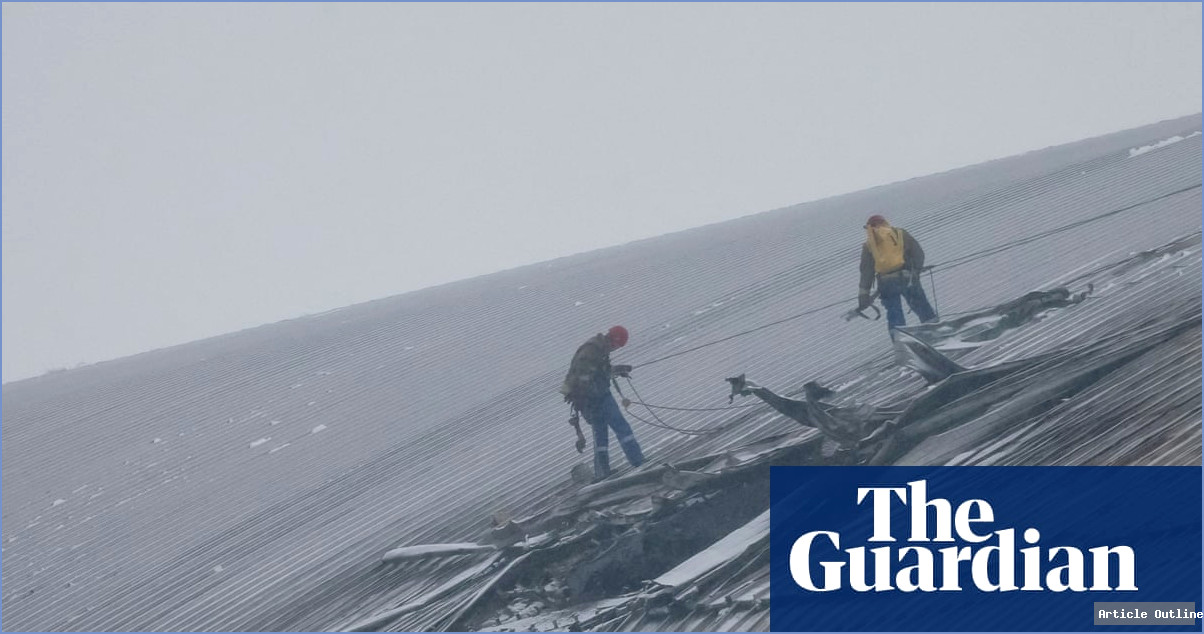
The news that Chornobyl’s €1.5bn “New Safe Confinement” (NSC) shelter has lost its primary function after a drone attack isn’t just another grim headline in the ongoing conflict between Ukraine and Russia. It’s a wake-up call for global nuclear oversight, post-disaster containment, and the vulnerabilities of critical infrastructure in modern warfare.
Why This Matters
Chornobyl isn’t just a relic of the Cold War—it’s an active hazard that demands constant vigilance. The €1.5bn NSC was the world’s most ambitious nuclear containment project, designed to enclose the radioactive remains of Reactor 4 and enable the decades-long cleanup. The recent drone strike has now created a breach, stripping the shelter of its core protection capabilities. While there’s no immediate radiation leak, the integrity of the structure is at risk, and so is the long-term safety of the site.

What Most People Miss
- Aging Infrastructure Still Matters: The original concrete “sarcophagus” was only meant to last 30 years. NSC was supposed to buy time for safe cleanup, not become another crisis point.
- Modern Warfare Targets the Unthinkable: Nuclear plants and their containment structures are now targets in hybrid warfare, raising the stakes for global security.
- No Immediate Radiation =/= No Risk: Even though radiation levels are stable, structural degradation can escalate quickly, especially if repairs are delayed or incomplete.
- International Precedent: Chornobyl’s situation sets a precedent for how the world handles nuclear sites in current and future conflict zones.
Key Takeaways
- IAEA’s Warning: According to Director General Rafael Grossi, the NSC “had lost its primary safety functions, including the confinement capability.” Some repairs have started, but comprehensive restoration is critical.
- Geopolitical Risks: The Chornobyl breach is a direct result of war, highlighting the dangers of military escalation around nuclear sites.
- Global Stakes: Roughly 70% of Europe was affected by the original 1986 disaster. A repeat, even on a smaller scale, could have severe cross-border consequences.
- Funding and Oversight: With the original NSC costing €1.5bn and requiring international cooperation, who will pay—and manage—the next round of repairs?
Industry Context and Comparisons
- Fukushima vs. Chornobyl: Both sites require long-term containment, but Chornobyl’s NSC was considered a gold standard—until now.
- Global Trend: There are over 440 operating nuclear reactors worldwide, many near conflict zones or in politically unstable regions.
- Historical Timeline:
- 1986: Chornobyl disaster; makeshift sarcophagus built.
- 2016: NSC moved into place, enclosing the reactor.
- 2019: Full completion and commissioning of NSC.
- 2022: Russian invasion; plant briefly occupied.
- 2025: Drone strike damages NSC, prompting IAEA inspection.
Action Steps and Practical Implications
- Immediate international funding and expertise are needed for comprehensive repairs.
- Review security protocols for nuclear sites globally—both for physical and cyber threats.
- Increase transparency and international oversight in conflict zones containing nuclear facilities.
“Comprehensive restoration remains essential to prevent further degradation and ensure long-term nuclear safety.” — Rafael Grossi, IAEA Director General
The Bottom Line
The Chornobyl shelter breach is more than just a local incident. It’s a flashing red light for the nuclear industry, international security, and disaster response mechanisms worldwide. It highlights our collective responsibility—and vulnerability—in an era where critical infrastructure can become both a casualty and a weapon of war.