While headlines have declared the demise of DOGE—the Department of Government Efficiency, Elon Musk’s disruptive brainchild—dig a little deeper and you’ll find a very different story. DOGE hasn’t disappeared; it’s gone undercover, embedding Silicon Valley DNA into the federal bureaucracy in ways that may reshape government for years to come.
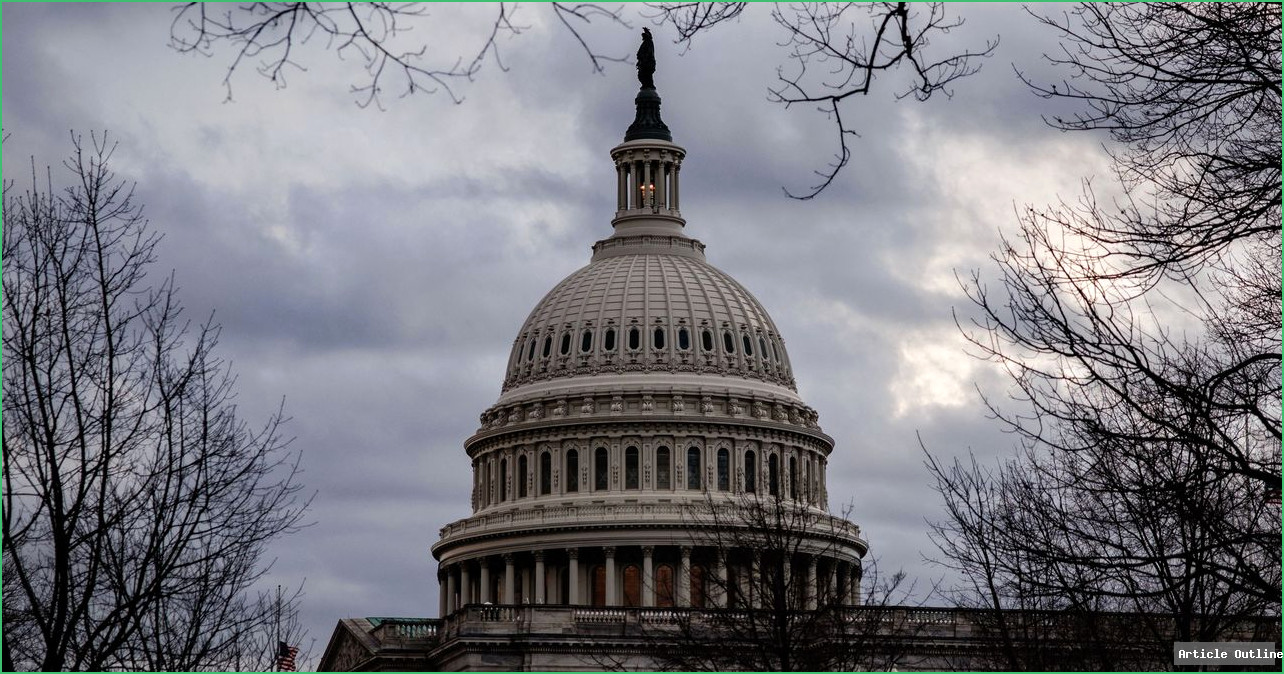
From coding tests at the IRS to AI-driven deregulation at the Office of Management and Budget, DOGE operatives—many young, with backgrounds at Musk’s companies or Silicon Valley startups—are still pulling strategic levers. The group has traded blitzkrieg headlines for a slow-burn, deep-rooted transformation. The question isn’t whether DOGE exists. The question is: What does a government run like a tech company actually look like?
Why This Matters
- Federal agencies are quietly adopting Silicon Valley playbooks—think performance metrics, weekly progress reports, and even coding tests for current staff.
- DOGE’s ethos—cutting contracts, consolidating data, and importing private-sector efficiency—could fundamentally change how government works.
- Key regulatory agencies are being shaped by people with little traditional public sector experience but deep roots in the tech world—a paradigm shift with profound consequences for transparency, accountability, and public trust.
What Most People Miss
- The “death” of DOGE is a narrative misdirect: While its centralized office may be gone, its operatives are scattered—and rising—in agency leadership roles.
- Tech-driven changes aren’t always visible to the public, but they influence everything from IRS modernization to website redesigns and even AI-powered deregulation efforts.
- DOGE’s operational style looks a lot like Musk’s playbook at X (formerly Twitter): relentless cost-cutting, rapid-fire decision-making, and a willingness to break established norms.
Key Takeaways
- Tech Culture Clash: Longstanding civil servants face pressure from DOGE-style reforms—like being tested for coding proficiency via tools such as HackerRank, a method unheard of in government until now.
- Leadership Pipeline: DOGE alumni are moving into powerful roles, from running AI deregulation at OMB to leading the National Design Studio, which is overhauling government digital services.
- Institutionalization of Change: Even as DOGE’s brand recedes, its principles are being “institutionalized”—ensuring that tech-centric government is here to stay, regardless of political headlines.
Timeline: DOGE’s Ongoing Evolution
- Spring 2025: DOGE operatives, many with ties to Musk-led companies, are embedded across key agencies.
- Summer 2025: Reports of DOGE’s demise surface; operatives quietly shift to new roles in government and private sector.
- Fall 2025: IRS launches new coding assessments for staff; National Design Studio established with ex-DOGE talent.
- Winter 2025: AI deregulation initiatives and website redesigns roll out, DOGE principles spread throughout agencies.
Pros and Cons of the DOGE Approach
- Pros:
- Faster decision-making, greater efficiency
- Potential cost savings (example: DOGE claims $335M saved from terminated contracts in a week)
- Modernized digital services and user-friendly government websites
- Cons:
- Loss of institutional knowledge as experienced staff leave or are ousted
- Transparency and accountability concerns with rapid, tech-driven changes
- Potential mismatch between Silicon Valley methods and public service mission
Expert Commentary
“They are in fact burrowed into the agencies like ticks.” — USDA source (on DOGE’s continued influence)
“They want to see IRS as like a tech company, that’s the feeling I get.” — IRS employee (on the culture shift)
“The best thing for me is to just cut out of this… Now that I’m not in DC, they don’t really have a person to attack anymore.” — Elon Musk (on DOGE’s decentralized continuity)
The Bottom Line
DOGE isn’t dead—it’s just gone stealth. As its operatives quietly reshape the machinery of government, expect more Silicon Valley methods in Washington, for better or worse. The real story isn’t about a group’s survival; it’s about a culture war over how the world’s biggest bureaucracy should work. Whether these changes lead to a leaner, more effective government—or simply chaos in a new flavor—remains the most important question for the American public.