The U.S. Department of Transportation (DOT) just sent shockwaves through the nation’s trucking industry. Nearly 7,000 truck driving schools—representing over 40% of all authorized training providers—are at risk of losing accreditation. This move is part of a high-profile crackdown under the Trump administration, but the real story goes far beyond bureaucratic headlines.
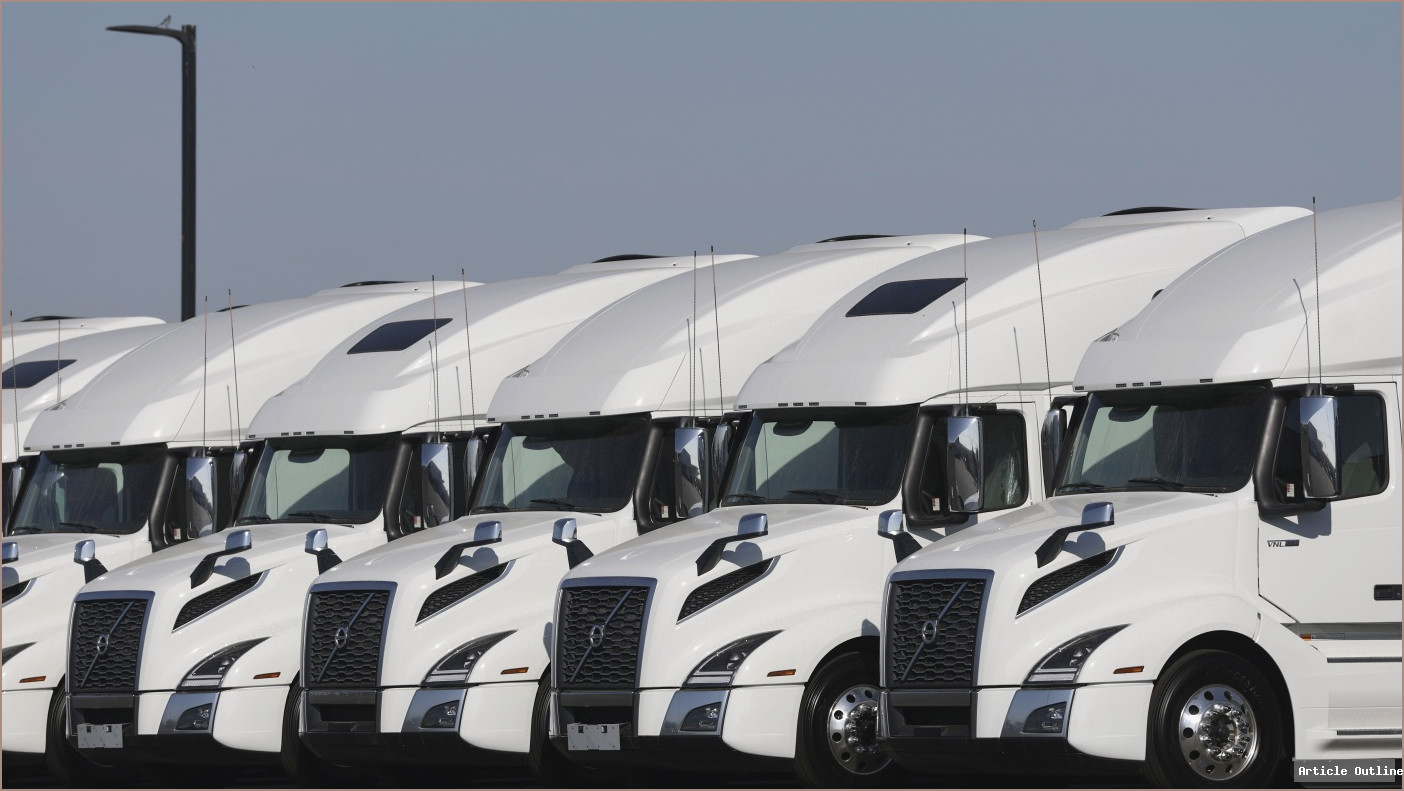
Let’s cut through the noise: This isn’t just about paperwork. It’s about who gets to train the next generation of truckers, who gets to drive America’s big rigs, and how safe our highways will be in the years ahead.

Why This Matters
- Safety First: Poor training leads to tragic accidents. Over 4,700 people died in large truck crashes in the U.S. in 2023 (NHTSA data), many involving driver error.
- Mass Disruption: If DOT follows through, thousands of students and instructors could be left stranded, and the industry might face a sudden shortage of new, licensed drivers—just as demand remains high.
- Immigration Debate: The crackdown ties into ongoing arguments over foreign-born drivers and English-language requirements, raising questions about discrimination versus legitimate safety concerns.
What Most People Miss
- Not Just About Immigrants: While high-profile crashes involving immigrant drivers have made headlines, experts like Pawan Singh, a Virginia fleet owner, point out that untrained drivers are dangerous regardless of their background.
- Accreditation ≠ Quality: Many schools on the chopping block have operated for years. The problem isn’t just ‘bad actors’—it’s a systemic failure to enforce and update training standards.
- Ripple Effects: Closing these schools doesn’t just affect students—it could put small trucking companies (already struggling with labor shortages and tight margins) in a bind, especially those owned by immigrants.
Key Takeaways & Analysis
- DOT’s move is the largest regulatory action against U.S. truck driving schools in decades. Expect legal challenges and confusion as schools scramble to comply.
- The trucking industry has long struggled with balancing safety and labor supply. Previous attempts at stricter standards have often fizzled due to industry pushback and lobbying.
- This is as much about politics as it is about road safety. The crackdown comes amid broader immigration debates and recent high-profile accidents involving foreign-born drivers. But data doesn’t show a clear link between immigrant status and crash rates.
- For students and aspiring truckers: Now is the time to double-check your school’s accreditation status and look for institutions that invest in quality, not just rubber stamps.
Timeline: How We Got Here
- Early 2020s: Growing concern over fatal truck crashes and reports of ‘diploma mill’ driving schools.
- 2023: Truck driver shortages hit record highs following supply chain disruptions.
- August 2024: Fatal crash in Florida highlights immigrant driver scrutiny (source).
- November 2025: Federal court blocks DOT’s new restrictions on immigrant CDLs (source).
- December 2025: DOT threatens to revoke accreditation for thousands of schools.
Pros and Cons of the Crackdown
- Pros:
- Might weed out low-quality, ‘paper mill’ schools.
- Could improve highway safety in the long run.
- Forces industry to raise training standards.
- Cons:
- Massive disruption for students and small businesses.
- Potential for labor shortages and delivery delays.
- Risk of unfairly targeting immigrant-owned schools and drivers.
The Bottom Line
America’s highways are only as safe as the people who drive its biggest rigs. The DOT’s aggressive move is a wake-up call for an industry that’s often prioritized quantity over quality. But the solution isn’t as simple as shutting down thousands of schools. The real challenge: raising standards without gutting a vital workforce or unfairly targeting vulnerable communities.
For drivers, schools, and anyone who shares the road with an 18-wheeler, the next 30 days could reshape the industry for years to come.