The recent Wang Fuk Court apartment fire in Tai Po, now the deadliest Hong Kong has seen in 75 years, has ignited not only a tragic blaze but also a heated debate on safety, accountability, and civil rights in the city. As authorities arrest 13 people—including construction directors and consultants—on manslaughter charges, the bigger story is what these arrests reveal about governance and freedom in Hong Kong.
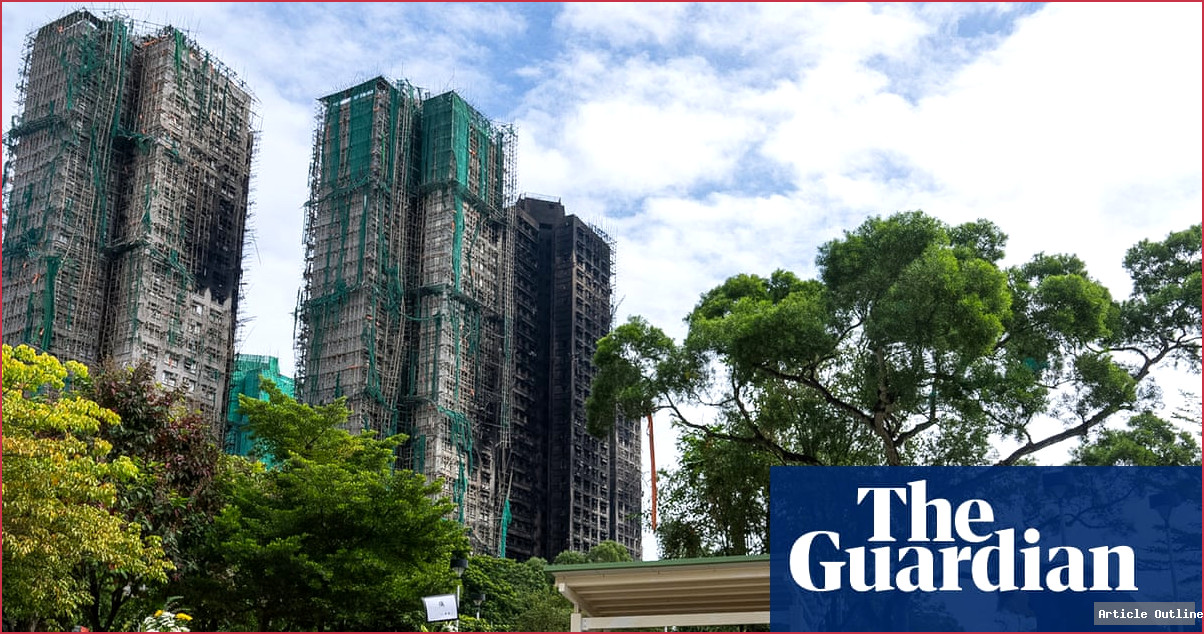
While emergency services continue a grim search—151 dead and counting, with 40 still missing—public anger is boiling over. But it’s not just about the fire or the alleged safety violations. Residents are questioning why, despite clear evidence of official negligence and ignored complaints, no government officials have faced accountability. Instead, civilians demanding answers are themselves being detained under national security laws. This is where the real alarm bells begin to ring.

Why This Matters
- Public safety and accountability are under threat. When those who question authority face arrest, the very fabric of civic trust is undermined.
- Hong Kong’s handling of the aftermath is a cautionary tale for urban centers globally. It illustrates how disaster management, transparency, and civil rights are deeply interconnected.
- The fire exposes cracks in both physical infrastructure and political systems. Citizens are not just mourning lives lost but also the erosion of their right to demand better from their leaders.
What Most People Miss
- The use of substandard, non-fire-retardant netting in hard-to-inspect areas wasn’t just cost-cutting—it was a calculated, hidden risk. This is not an isolated case in Asia’s construction industry, where regulatory evasion is a chronic issue.
- The arrest of civilians for demanding ‘basic’ accountability marks a new low in Hong Kong’s suppression of dissent. The language used to justify these arrests echoes recent crackdowns in mainland China, signaling a chilling shift.
- Community solidarity is alive and well—hundreds of residents mobilized in support, despite heavy police presence and government intervention. The authorities’ quick move to control volunteer efforts reveals an anxiety about grassroots organization reminiscent of the 2019 protests.
Key Takeaways
- Systemic Safety Failures: Multiple warnings about renovation safety were reportedly ignored. Seven out of 20 mesh netting samples failed fire-safety tests, and the non-compliant material was deliberately hidden.
- Accountability Gap: Despite the disaster, government officials have not been held responsible. Instead, two civilians face arrest for organizing a petition demanding support and accountability.
- Suppression of Dissent: The use of national security laws to silence criticism—even in the face of mass tragedy—suggests a hardening stance against freedom of expression in Hong Kong.
- Comparative Insight: The response and rhetoric draw direct parallels to mainland China’s infamous ‘stability over all’ approach, where questioning authority is treated as a crime.
Timeline of Key Events
- Pre-Fire: Residents lodge complaints about ongoing renovations and safety concerns for over a year.
- Fire Breaks Out: Last week, the devastating fire engulfs Wang Fuk Court, claiming over 150 lives.
- Aftermath: Authorities arrest 13 individuals connected to the construction company; search and rescue continue.
- Public Outcry: Civilians launch petitions demanding accountability; two are arrested under national security laws.
- Government Response: Officials cite national security to justify civilian arrests, with little transparency about official culpability.
Pros and Cons: Hong Kong’s Post-Fire Response
- Pros:
- Swift arrests signal some willingness to tackle corporate negligence.
- Rapid deployment of rescue and emergency services.
- Cons:
- Lack of official accountability—no government figures have resigned or been charged.
- Suppression of civilian calls for justice raises serious civil rights concerns.
- Volunteer efforts quickly sidelined by authorities, stifling grassroots solidarity.
The Bottom Line
The Wang Fuk Court fire is more than a tragic accident—it’s a flashpoint revealing the perils of unchecked power, regulatory failure, and shrinking space for dissent in Hong Kong. As the city mourns its dead, the world should watch closely: Will this disaster spark overdue reforms, or simply more arrests and silencing of those who dare demand change?