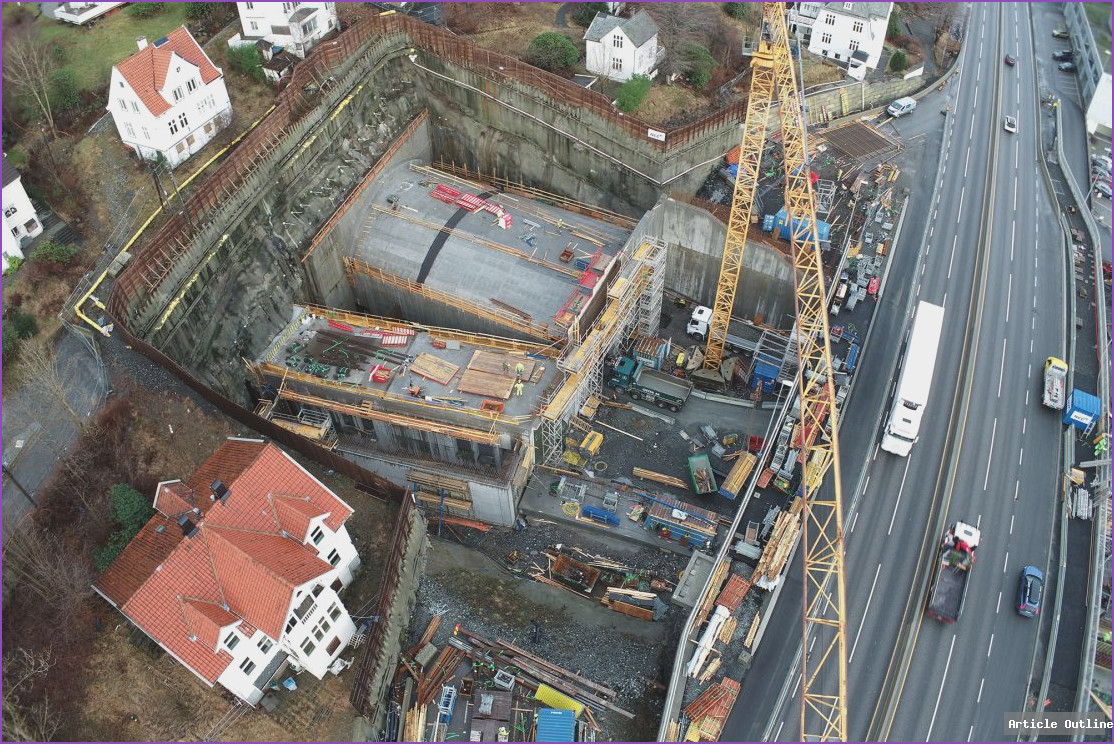
The opening of Norway’s Fyllingsdalstunnelen isn’t just another headline about Scandinavian infrastructure—it’s a signpost for how cities worldwide might rethink mobility and urban space in the coming decades.
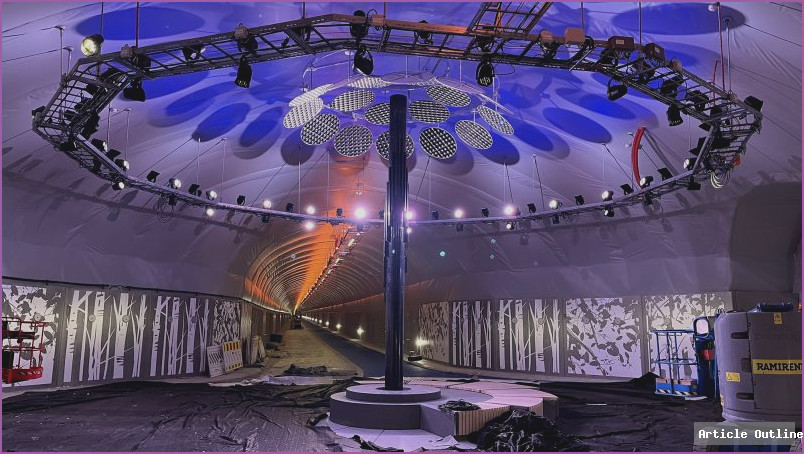
This 3-kilometer (1.8-mile) tunnel, blasted through Bergen’s Løvstakken mountain, is now the world’s longest purpose-built cycling and pedestrian tunnel. It’s not just a marvel of engineering; it’s an ambitious experiment in sustainable urban transport.
Why This Matters
- Shifting Priorities: Bergen’s $29 million investment signals a global trend where cities prioritize active transportation, climate-friendly infrastructure, and healthier lifestyles.
- Climate Impact: Norway aims for carbon neutrality by 2030. Infrastructure like this tunnel directly supports emission reduction by making cycling a safer, year-round option—even in a country known for its wet, chilly climate.
- Urban Connectivity: By linking neighborhoods beneath a mountain, the tunnel shortens commutes and makes previously daunting journeys accessible to all ages and abilities.
What Most People Miss
- It’s Not Just About the Tunnel: Fyllingsdalstunnelen was born as a byproduct of an evacuation route for a tram line—ingeniously repurposed for public use. This multipurpose thinking is a template for future urban design.
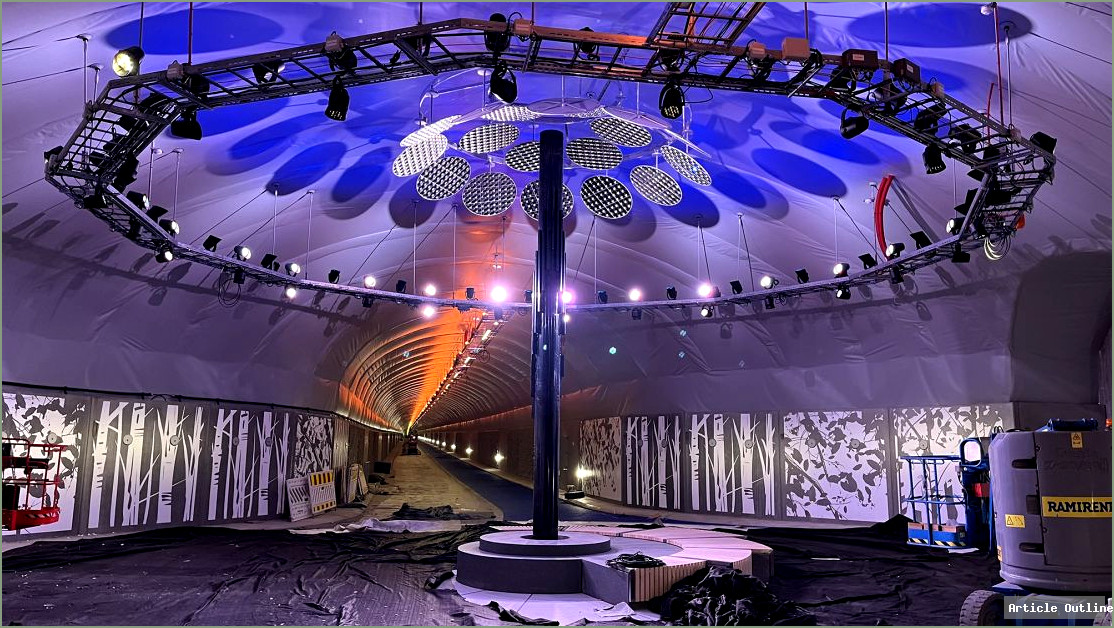
- Design for Comfort and Safety: The tunnel features a blue rubber running track, color-coded lighting, and art installations—including a “sundial” at its midpoint—to keep users oriented and engaged. This goes beyond utility; it’s about making the journey enjoyable.
- Global Context: The tunnel claims the “longest purpose-built” title, with the US’s Snoqualmie Tunnel (3.6 km) being longer but originally built for trains. There’s a quiet competition among cities to build ever more impressive cycling infrastructure, underscoring a worldwide mobility revolution.
Key Takeaways
- Two dedicated lanes: 3.5 meters for bikes, 2.5 meters for pedestrians/runners—no more jostling for space.
- 10-minute bike ride, 40-minute walk—turning what would otherwise be an arduous uphill slog into a pleasant, quick trip.
- Built-in safety and orientation features—art, lighting, and rubberized floors—set a new standard for pedestrian tunnels globally.
- Cost: $29 million—a hefty sum, but modest compared to major road or subway projects.
How Does This Compare?
- Copenhagen boasts 385 km of bike lanes and is considered the gold standard for urban cycling.
- Strasbourg has 6,000 self-service bikes available 24/7—a model of accessibility.
- Bern offers a unique funicular-and-downhill-biking combo, showing how cities can play to their geographic strengths.
But Fyllingsdalstunnelen’s through-the-mountain approach goes a step further, literally reshaping the landscape for human-powered transit.
Pros and Cons
- Pros:
- Encourages active commuting
- Reduces car traffic and emissions
- Weather-protected, all-season use
- Integrates with public transport (tram line)
- Inspires similar projects globally
- Cons:
- High upfront cost
- Potential safety/security concerns (common to all long tunnels)
- May see limited use if not integrated with wider cycling networks
The Bottom Line
Norway’s new cycling tunnel isn’t just a local curiosity—it’s a vision statement for post-car cities. It proves that with imagination (and some serious blasting equipment), barriers—geographic and cultural—can be overcome. Expect to see similar bold projects as cities vie for the title of “world’s most bike-friendly.”