The British Medical Association (BMA) has announced an unprecedented five-day strike for resident doctors in England, starting December 17th—just before the peak holiday period. While headlines scream about disruption, the true story digs much deeper into the fabric of the NHS, workforce morale, and the future of healthcare delivery in the UK.
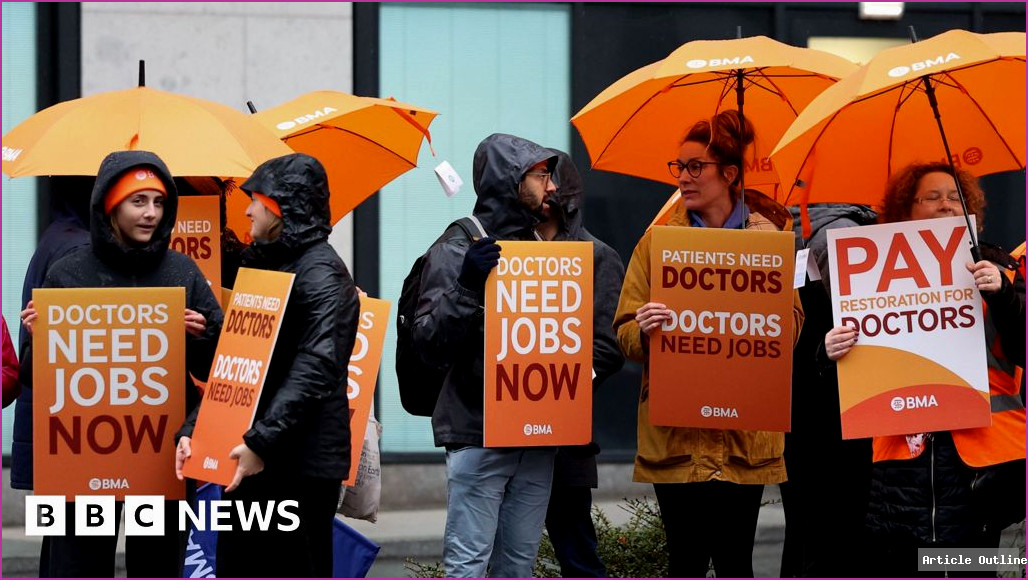
This marks the 14th walkout since March 2023. Residents, formerly called ‘junior doctors,’ make up nearly half the medical workforce and cover everything from fresh graduates to those with a decade of experience. The timing—right before Christmas—has been branded “inflammatory” by NHS leaders, but the BMA claims they had no choice given the stalemate over pay.

Why This Matters
- The NHS is already at breaking point every winter, with seasonal illnesses and discharge pressures. Removing nearly half the medical workforce could see delays, cancellations, and increased risks for patients.
- This isn’t just about pay. It’s a test of the government’s willingness to address long-term recruitment and retention issues in the NHS, critical for its survival.
- Public trust is on the line. Strikes during a period of goodwill could harden attitudes—against either the government or the doctors—depending on the outcome.
What Most People Miss
- Despite a 30% cumulative pay rise over three years, the BMA argues that inflation means doctors are still paid 20% less in real terms than in 2008. This means the headline figure doesn’t tell the whole story.
- Resident doctors are not just “junior”—they include those with up to ten years’ experience, handling critical cases and often running wards unsupervised at night.
- Government offers so far have included improving working conditions and more training posts, but not direct pay increases—the key sticking point for the union.
- The strike will affect both emergency and routine care, with senior doctors forced to fill the gaps—potentially leading to fatigue and a knock-on effect on the rest of the NHS workforce.
Key Takeaways
- This strike is symptomatic of deeper unrest in the NHS, where staff feel their value is not recognised, and working conditions continue to deteriorate.
- Repeated strikes risk normalising industrial action in healthcare—a dangerous precedent for the UK’s most trusted institution.
- The government’s strategy has focused on non-pay solutions, which may improve morale long-term but do not address immediate cost-of-living concerns for doctors.
- Patient care will inevitably suffer, not just from cancelled appointments but from an overstretched system trying to cope with fewer hands on deck.
Expert Commentary
“Everyone knows in the run-up to Christmas we need all hands on deck… Both sides need to get back round the table to break the logjam.”
— Daniel Elkeles, NHS Providers CEO
“Gradually raising pay over a few years and some common-sense fixes to the job security of our doctors are well within the reach of this government.”
— Dr Jack Fletcher, BMA Resident Doctors Committee
Timeline of Events
- March 2023: First in series of strikes begins.
- November 2023: Previous five-day strike; talks break down.
- December 17–21, 2023: Five-day walkout announced.
- Early January 2024: BMA’s current strike mandate expires; new ballot announced.
Pros and Cons Analysis
- Pros for doctors: Keeps pressure on government, raises public awareness of workforce issues.
- Cons for doctors: Risk of public backlash, increased strain on colleagues, potential reputational harm.
- Pros for government: Maintains tough stance on public sector pay restraint.
- Cons for government: Perceived intransigence, risk of NHS winter crisis spiraling out of control.
Action Steps & Practical Implications
- Patients with scheduled care during the strike should check with their hospital for updates.
- Both sides need to return to negotiations—possibly with independent mediation—to avoid a repeat in January.
- Long-term, the NHS must address not only pay but also working conditions, career development, and morale if it wants to avoid a brain drain.
The Bottom Line
The pre-Christmas strike by resident doctors is more than a headline-grabbing walkout—it’s a referendum on the value of healthcare professionals and a test of political will. If neither side blinks, patients and the health system stand to lose the most. The NHS’s winter may get a lot colder before it gets better.