When news broke about Rodrigo Ventosilla’s death in Bali police custody, it sent shockwaves through the LGBTQ+ and human rights communities worldwide. But beyond the immediate tragedy lies a tangled web of legal, diplomatic, and societal issues that demand a closer look.
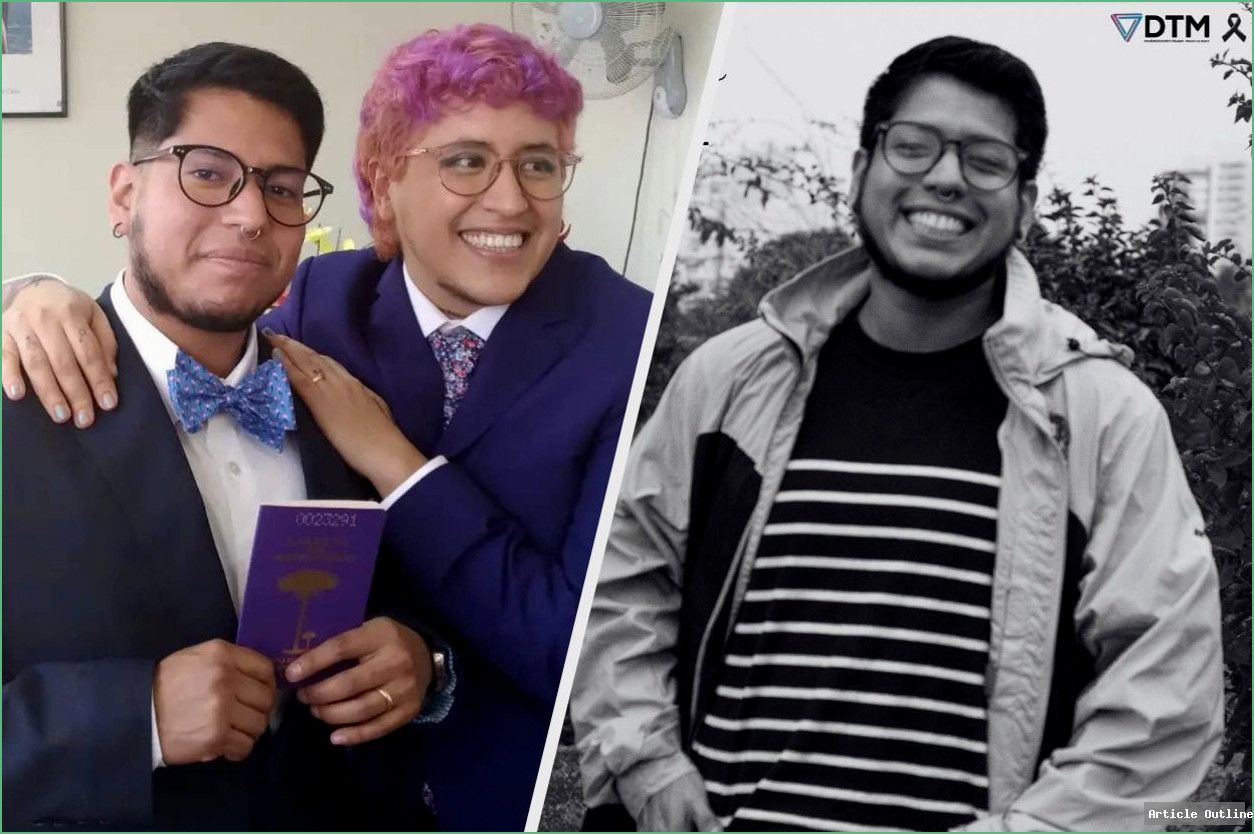
Ventosilla, a Peruvian trans activist and Harvard Kennedy School graduate student, was on his honeymoon when both he and his spouse, Sebastian Marallano, were detained at Denpasar Airport. The stated reason? Suspicion of drug trafficking—though his family maintains the substances were prescribed for mental health, and that the couple faced police violence and transphobic treatment during their ordeal.
Why This Matters
- Trans and queer travelers remain vulnerable abroad, especially in countries with harsh drug laws and limited LGBTQ+ protections.
- Diplomatic failures can be a matter of life and death. The alleged inaction of both Indonesian and Peruvian officials left the family powerless to intervene or seek justice.
- Opaque legal systems and denied access to legal counsel undermine the most basic rights of detainees, especially for marginalized groups.
What Most People Miss
- Indonesia’s drug laws are among the strictest in the world, and prescription medicines can still result in severe penalties without proper documentation and prior approval.
- International travelers often underestimate the risk of carrying even prescribed substances—something that has led to similar incidents in Southeast Asia.
- The case underscores a broader trend: consular support can be inconsistent, especially for queer and trans citizens facing discrimination abroad. Many embassies lack protocols for such crises.
- Lack of transparency (e.g., denial of independent autopsy) raises questions about accountability in custodial deaths, especially in cases involving minorities.
Key Takeaways
- Rodrigo’s death is not an isolated case. According to the Trans Murder Monitoring project, hundreds of trans people are murdered or die under suspicious circumstances globally each year, often with little recourse or justice.
- Travelers need to rigorously research local laws—even harmless items like empty cannabis grinders can trigger arrests in zero-tolerance jurisdictions.
- Consular neglect, whether through lack of training or bias, can have fatal consequences. Families need to know what recourse is available when things go wrong abroad.
- This tragedy has galvanized calls for increased protections for LGBTQ+ travelers and more robust accountability for governments and police forces overseas.
Broader Context: How This Compares Globally
- In 2022 alone, over 3,000 international travelers were detained in Southeast Asia on drug-related charges, with many claiming ignorance about the severity of local laws.
- Custodial deaths, especially involving minorities, often go underreported or are dismissed as ‘medical incidents’—as seen in Ventosilla’s case.
- There’s a rising push for international protocols on how police and consular officials should handle cases involving marginalized citizens.
Action Steps for LGBTQ+ Travelers
- Check destination laws regarding prescription medications and LGBTQ+ rights before traveling.
- Carry certified translations and doctor’s letters for all medications.
- Know your embassy’s emergency contacts and seek out LGBTQ+ travel advisories.
- If detained, request to contact your embassy and legal representation immediately.
The Bottom Line
Rodrigo Ventosilla’s tragic death is a chilling reminder that progress at home doesn’t always translate to safety abroad. The intersection of harsh drug policies, transphobia, and bureaucratic indifference can be deadly. For travelers, activists, and governments alike, the message is clear: we need greater vigilance, stronger protections, and a renewed commitment to justice for all—no matter where they are in the world.