When news broke about Army Specialist Sarah Beckstrom’s death and Air Force Staff Sergeant Andrew Wolfe’s wounding during a National Guard deployment in Washington, D.C., West Virginia communities were rocked. But beneath the heartbreak and headlines lies a deeper, more complex story about the intersection of patriotism, economic necessity, and the politics of military deployments.
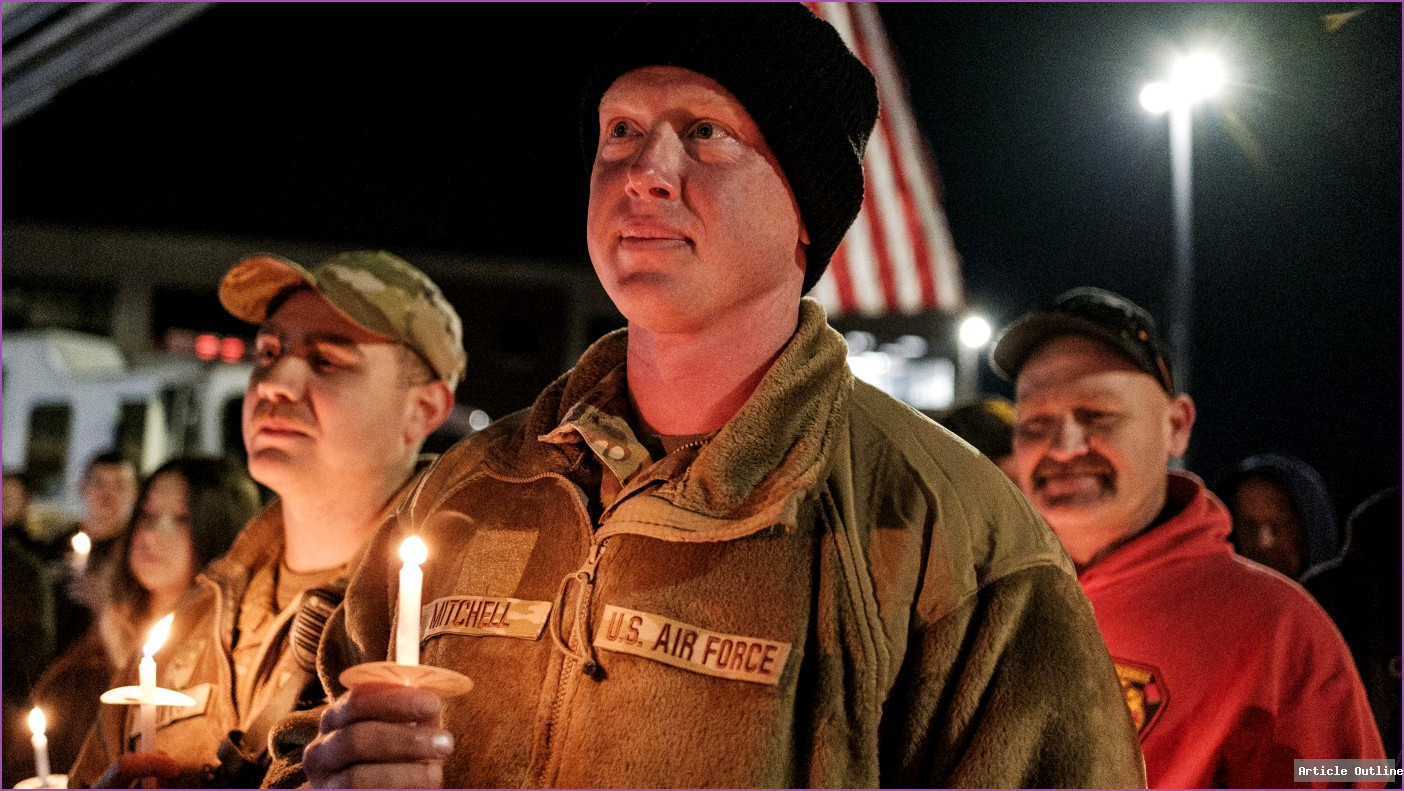
West Virginia, a state that boasts one of the highest per-capita veteran populations in the country, has long leaned on the military not just as a matter of honor, but as an economic lifeline. The National Guard’s recruitment pitch—offering college money, steady pay, and benefits—resonates especially hard here, where job prospects outside coal mining or retail are slim. For many young West Virginians, the Guard isn’t just a calling; it’s a pragmatic path out of poverty.

Why This Matters
- This tragedy exposes the hidden costs of using military deployments as political tools. The deaths and injuries aren’t just statistics—they ripple through small towns where everyone knows someone in uniform.
- It raises tough questions about the true purpose—and effectiveness—of domestic military deployments, especially when troops are tasked with duties far from their training, such as trash pickup or landscaping.
- It spotlights the gap between political narratives and on-the-ground realities for both service members and their families.
What Most People Miss
- Economic Dependency: Many outside Appalachia don’t realize how deeply intertwined the National Guard is with the state’s economic fabric. The Guard isn’t just a volunteer force—it’s a key employer, especially for those with few other options.
- Deployment Discrepancies: The federal push for National Guard presence in D.C. was framed as a crime-fighting measure, but reports suggest many troops ended up performing menial tasks. This disconnect between purpose and reality fuels local resentment and skepticism.
- Political Crosswinds: Even in a state that’s voted solidly Republican, there’s a growing chorus questioning the wisdom—and safety—of these deployments, hinting at a bipartisan unease rarely seen on military issues.
Key Takeaways
- West Virginia has the highest per-capita National Guard deployment to D.C.—a statistic that underscores how much the state’s youth rely on the Guard for opportunity.
- The risks of domestic deployments are real, not just theoretical, and can have tragic consequences for communities already stretched thin.
- Political decisions about military use at home can backfire in even the most loyal corners of the country if the rationale feels unconvincing or the mission unclear.
Context: The Deployment Dilemma
President Trump’s use of the National Guard in American cities has divided opinion—both nationally and within his base. While the stated goal is to fight crime, critics argue these deployments often serve as political theater, placing young service members in harm’s way for ambiguous objectives.
- West Virginia’s Guard: According to state press reports, West Virginia sends more Guard troops per capita to D.C. than any other state.
- National Picture: As of 2024, over 38,000 National Guard members were deployed domestically, up from 17,000 in 2016—a trend driven largely by political directives rather than natural disasters or civil unrest.
Pros and Cons Analysis
- Pros:
- Provides economic opportunity for rural youth
- Offers a path to college and career benefits
- Fosters community pride and tradition
- Cons:
- Exposes service members to unpredictable political risks
- Can lead to community disillusionment if deployments lack clear purpose
- Potentially erodes trust in both state and federal leadership
Action Steps and Practical Implications
- State and federal leaders must clarify the objectives and safety protocols for domestic deployments to retain the trust of Guard families and communities.
- Lawmakers should examine whether economic desperation is driving enlistments—and if so, invest in alternative opportunities for rural youth.
- Voters and families need to demand transparency about the true nature of National Guard assignments, especially when lives are at stake.
Quotes That Resonate
“She always had a smile on her face. Always willing to help. And she always liked to give me a rough time.” – Kenny Kidd, Webster Springs school bus driver
“I feel it was crazy, I really do.” – Roseanna Groves, relative of Beckstrom
The Bottom Line
This tragedy is a wake-up call. Communities like those in West Virginia can’t afford to lose more of their best and brightest because of unclear, politically motivated deployments. As banners honoring fallen soldiers go up on Main Street, the real honor would be ensuring the next generation doesn’t have to make the same sacrifices for reasons that don’t add up.