Iran’s recent detention of young girls for doing a TikTok dance is setting off alarms far beyond social media circles. This incident is not just about a viral challenge gone wrong—it’s the latest chapter in a broader, deeply troubling crackdown on personal freedoms in Iran.
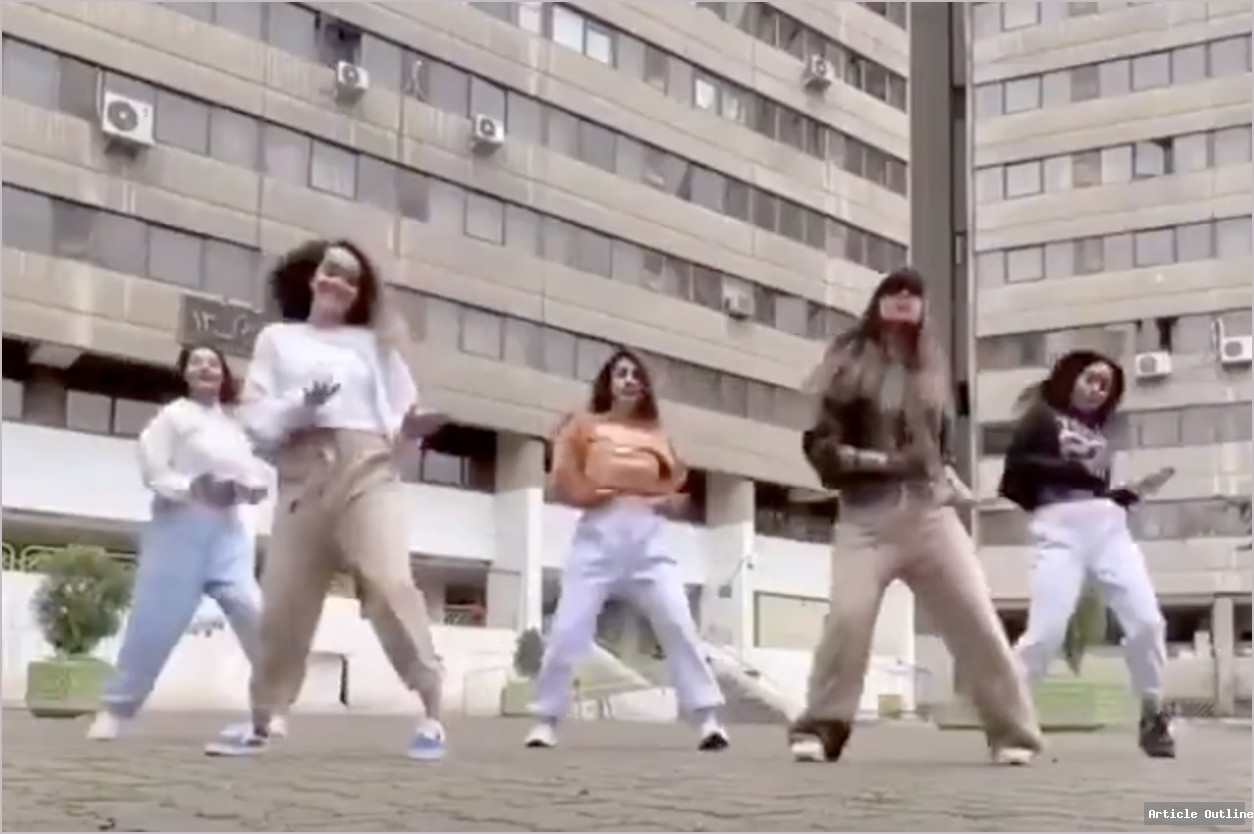
Since the death of Mahsa Amini in September 2022, who was detained for allegedly wearing her hijab ‘improperly,’ Iran has been in the throes of an extraordinary wave of dissent and government repression. The regime’s response? Heightened surveillance, mass arrests—including children—and a chilling use of force and intimidation. The TikTok dance incident is the tip of the iceberg.
Why This Matters
- Cultural Expression Under Siege: Arresting girls for a dance video sends a message: even harmless self-expression is forbidden if it challenges state norms.
- Escalating State Control: The government isn’t just targeting activists, but everyday citizens, including children, for perceived ‘immorality’ or protest.
- International Human Rights Spotlight: Groups like Amnesty International and the United Nations are raising red flags, highlighting Iran’s pattern of abuse and failure to protect its own young people.
What Most People Miss
- The Scale of Repression: It’s not just about TikTok. Reports detail children being subjected to electric shocks, forced confessions, and sexual violence for protesting or expressing dissent.
- State Priorities Laid Bare: While the government quickly arrests protestors, it has failed to investigate or prevent a mysterious wave of poisonings that hospitalized over 1,000 schoolgirls. This raises tough questions about who the state really seeks to protect.
- Youth as Agents of Change: Iran’s younger generation is at the forefront of pushing for change, using digital platforms to amplify their voices despite harsh risks.
Key Takeaways
- Dancing Is Dangerous (In Iran): What’s a harmless TikTok trend elsewhere can be a criminal act under Iran’s morality laws.
- The Protest Movement Continues: Six months after Mahsa Amini’s death, the regime’s crackdown has not quelled dissent—it has, if anything, made it more visible.
- International Scrutiny Is Growing: UN and rights groups are not letting up, which may increase diplomatic pressure on Iran.
Comparisons & Context
- Global Contrast: In many countries, viral dance challenges are a sign of youth culture and fun. In Iran, they can lead to arrest. The contrast couldn’t be starker.
- Historical Echoes: Iran has a long history of policing women’s bodies and public behavior, but the digital age means these crackdowns are more visible and harder to control.
- Other Crackdowns: From China’s internet censorship to Saudi Arabia’s previous bans on female drivers, state control over personal freedoms has global parallels—but Iran’s tactics remain among the most severe.
Timeline of Events
- September 2022: Mahsa Amini dies after detention by morality police, sparking nationwide protests.
- Late 2022–Early 2023: State crackdown intensifies. Children are arrested, tortured, and coerced into confessions as reported by Amnesty International.
- March 2023: Mysterious poisonings send over 1,000 schoolgirls to hospitals. The government claims it’s stress, while UN experts call it deliberate and demand action.
- Present: Girls detained for TikTok dancing, igniting global outrage and renewed scrutiny.
The Bottom Line
Iran’s targeting of girls for a TikTok dance is not an isolated act—it’s a symbol of a regime desperately trying to silence the voices of its youth and control the narrative. But as every new crackdown goes viral, the world watches—and Iran’s youth aren’t backing down.