The Supreme Court is weighing a high-stakes battle between the music industry and internet providers—a showdown that could redefine digital life for millions. At the heart of the case: Should internet service providers (ISPs) be held liable for copyright infringement committed by their users? The outcome could upend how we access the web, enforce digital rights, and police online content.
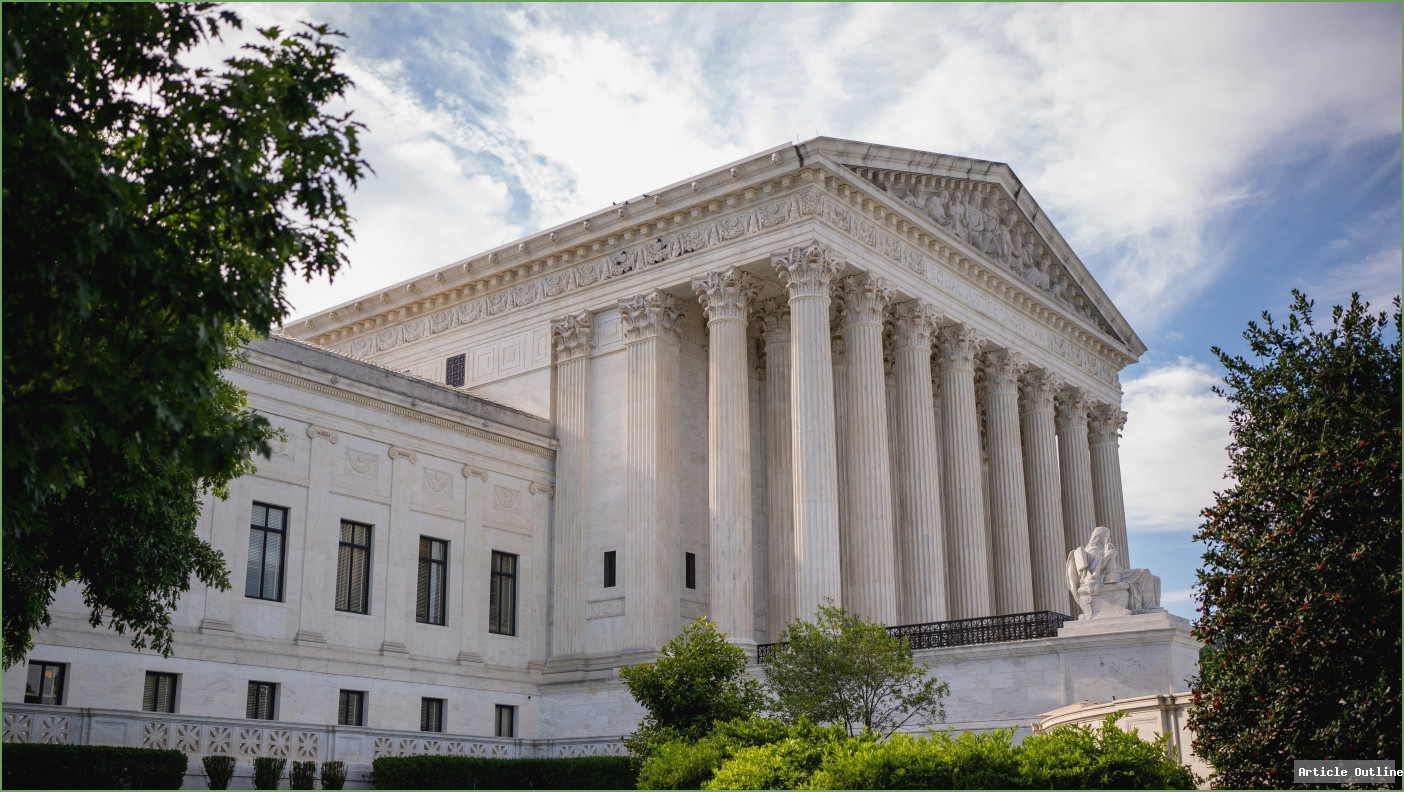
If you thought the days of Napster and LimeWire copyright wars were over, think again. The music industry’s campaign against Cox Communications, one of the nation’s largest ISPs, is a test case with billion-dollar consequences—and implications for every American internet user.

Why This Matters
- This isn’t just about music piracy—it’s about whether your internet connection could be cut off because of someone else’s behavior.
- If the Supreme Court rules against ISPs, providers may be forced into a new role as online enforcers, actively policing content and terminating access for suspected copyright violators.
- The precedent could ripple across tech, affecting not just music, but movies, books, software, and any copyright-protected content online.
What Most People Miss
- The “13-strike” policy: Cox required thirteen complaints before considering action. That’s a lot of leeway—far more than a typical “three strikes” approach in other industries.
- The DMCA’s blurry lines: The Digital Millennium Copyright Act was written in 1998—before streaming, cloud storage, and Wi-Fi everywhere. Its safe-harbor provisions are showing their age.
- Collateral damage risk: Imagine a hospital, university, or coffee shop losing internet because of one user’s alleged infringement. The stakes are massive for businesses and public services.
Key Takeaways
- A ruling for the music industry could force ISPs to become copyright cops, possibly leading to more aggressive monitoring, privacy concerns, and mass disconnections.
- A ruling for Cox would maintain the status quo, but the music industry could double down on lobbying for stricter laws or pursue even broader litigation.
- Either way, the decision will set a critical precedent for how digital rights get enforced in the U.S.—and may inspire similar battles worldwide.
Industry Context & Comparisons
- Past Precedents: The 2019 case against Cox awarded over $1 billion to record labels, but appeals have delayed final outcomes. That’s more than the annual revenue of many indie music companies.
- Global Trends: The EU’s “Article 17” (formerly Article 13) has already pushed platforms to filter uploads for copyright, sparking controversy over free speech and fair use.
- ISP Crackdowns: In countries like Australia, ISPs have been ordered to block access to piracy sites—raising questions about censorship and net neutrality.
Pros and Cons
- Holding ISPs Liable – Pros:
- Could reduce large-scale piracy
- Incentivizes better policing of illegal content
- Supports creative industries and copyright holders
- Holding ISPs Liable – Cons:
- Risks overblocking and wrongful account terminations
- Potential invasion of user privacy
- Could disrupt access for innocent users and critical institutions
Expert Commentary
“Turning ISPs into copyright cops could fundamentally alter the open nature of the internet. The risk of collateral damage—entire households or businesses losing access—should give the Court pause.”
– Digital Rights Attorney, 2024
The Bottom Line
No matter the outcome, the Court’s decision will redefine the balance between copyright enforcement and internet freedom. Will ISPs become watchdogs, or remain neutral pipes? For now, every American’s connection hangs in the balance. Watch closely—your digital future might depend on it.