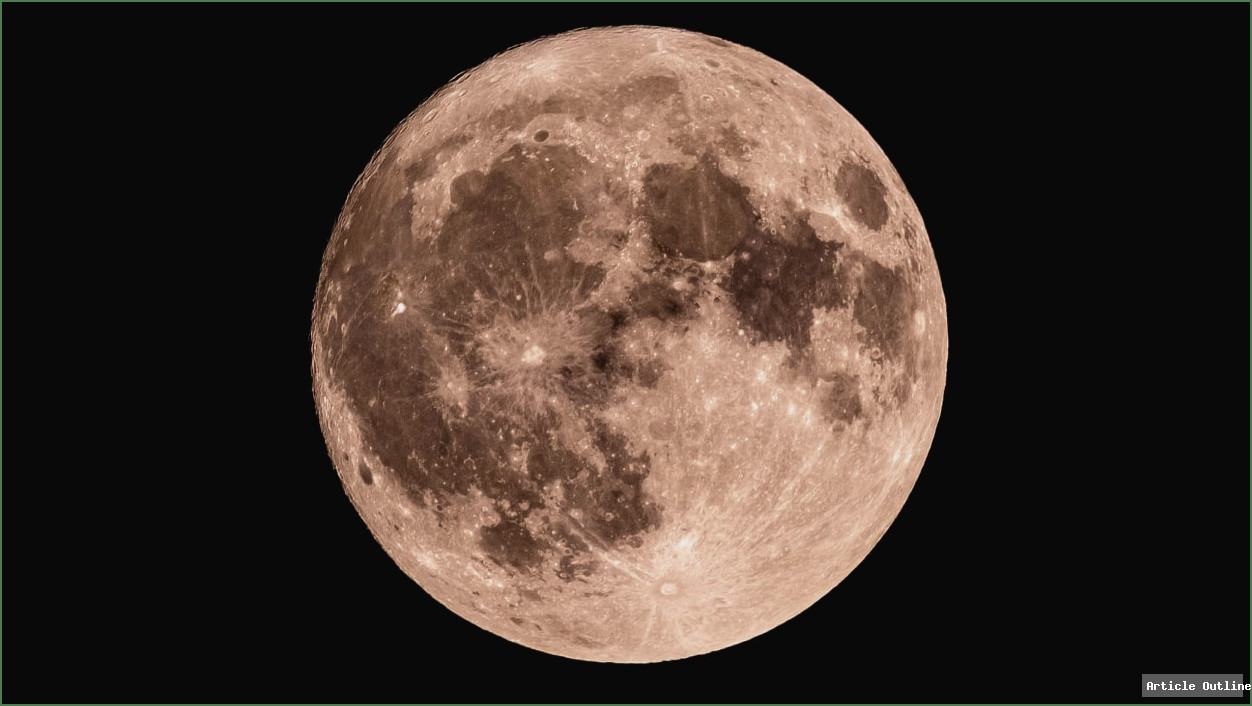
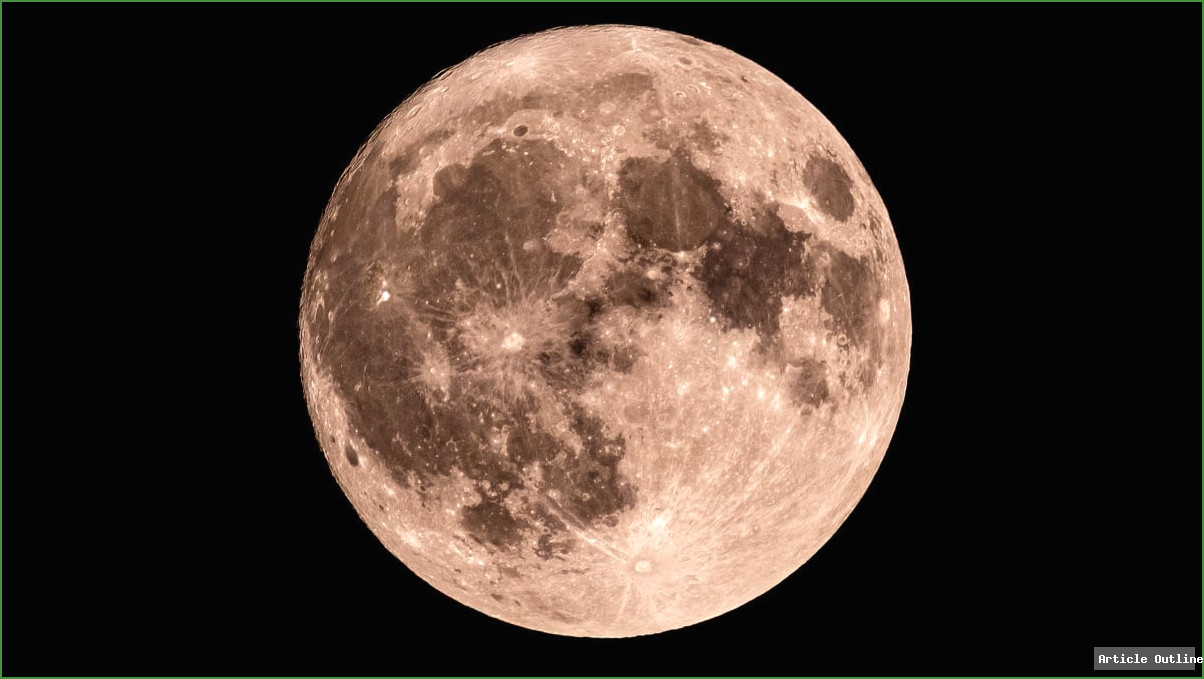
Every night, the moon puts on a cosmic performance—sometimes stealing the show, other times quietly fading into the background. On December 6, 2025, the moon is in its Waning Gibbous phase, with 96% of its face still illuminated. But there’s much more to this celestial moment than meets the eye.
Why This Matters
- The moon isn’t just a pretty face in the night sky—it’s a living calendar, an astronomical clock, and a source of inspiration and science rolled into one.
- Understanding lunar phases can help with everything from planning stargazing sessions to setting agricultural schedules. Farmers have tracked these cycles for centuries to time planting and harvesting.
- Cultural and spiritual practices worldwide are tied to the moon’s rhythm. From Ramadan and Passover to Chinese Mid-Autumn Festival, the lunar calendar shapes traditions and festivities.
What Most People Miss
- The Waning Gibbous is a scientific sweet spot. While most skywatchers wait for the full moon, this phase offers crisp shadows and high-contrast views of lunar features, making craters and maria pop visually.
- You can spot historic Apollo landing sites with a good telescope during this phase, thanks to the angle of sunlight.
- The moon’s apparent “shrinking” isn’t just a visual change—it’s a story about the complex dance between Earth, the Moon, and the Sun. Each night reveals a slightly different face, offering a perfect lesson in orbital mechanics.
Key Takeaways
- Tonight’s Moon: Waning Gibbous, 96% illuminated
- Best features to spot: Oceanus Procellarum, Kepler Crater (naked eye); Posidonius, Alphonsus, Grimaldi Basin (binoculars); Apollo 11/12 sites, Linne Crater (telescope)
- Next full moon: January 3, 2026
- The lunar cycle is about 29.5 days long and has eight distinct phases
Moon Phase Timeline: December 2025 – January 2026
- Dec 1: Waning Crescent
- Dec 6: Waning Gibbous (tonight)
- Dec 11: New Moon
- Dec 18: First Quarter
- Dec 25: Full Moon
- Jan 3: Next Full Moon
Pros and Cons of the Waning Gibbous for Observers
- Pros: Shadows highlight lunar features; less glare than the full moon; perfect for spotting craters and basins.
- Cons: Still bright enough to wash out some fainter stars; not ideal for deep-space observations.
Action Steps for Skywatchers
- Grab binoculars or a telescope—this is the best time to explore the moon’s dramatic landscapes.
- Check lunar calendars for upcoming phases and plan your next moonlit night out.
- Try lunar photography: the contrast during waning phases makes for stunning images.
“The moon is a friend for the lonesome to talk to.” – Carl Sandburg
The Bottom Line
Don’t just look up—look closer. The moon’s waning gibbous phase on December 6, 2025, offers a unique chance to see our nearest celestial neighbor in a new light (literally!). Whether you’re a casual stargazer or a seasoned astronomer, the lunar cycle connects us to history, science, and the rhythms of the natural world.

Sources: