In a move turning heads across the real estate and climate tech sectors, Zillow has pulled climate risk scores from over a million listings. This reversal, sparked by agent complaints about lost sales, is more than a UX tweak—it’s a seismic shift with implications for homebuyers, investors, and the broader property market.
Why This Matters
- Transparency Takes a Hit: Homebuyers lose easy access to climate risk data, making one of life’s biggest purchases more opaque.
- Industry Accountability: Real estate’s resistance to data transparency raises questions about the sector’s willingness to adapt to climate realities.
- Societal Impact: As climate-driven disasters become more frequent, hiding risk doesn’t make it disappear—it just burdens future owners and communities.
What Most People Miss
- The Data Tug-of-War: While agents cite sales concerns, their resistance also reflects a deeper industry anxiety: How do you market a dream home if it’s at high risk of fire or flood?
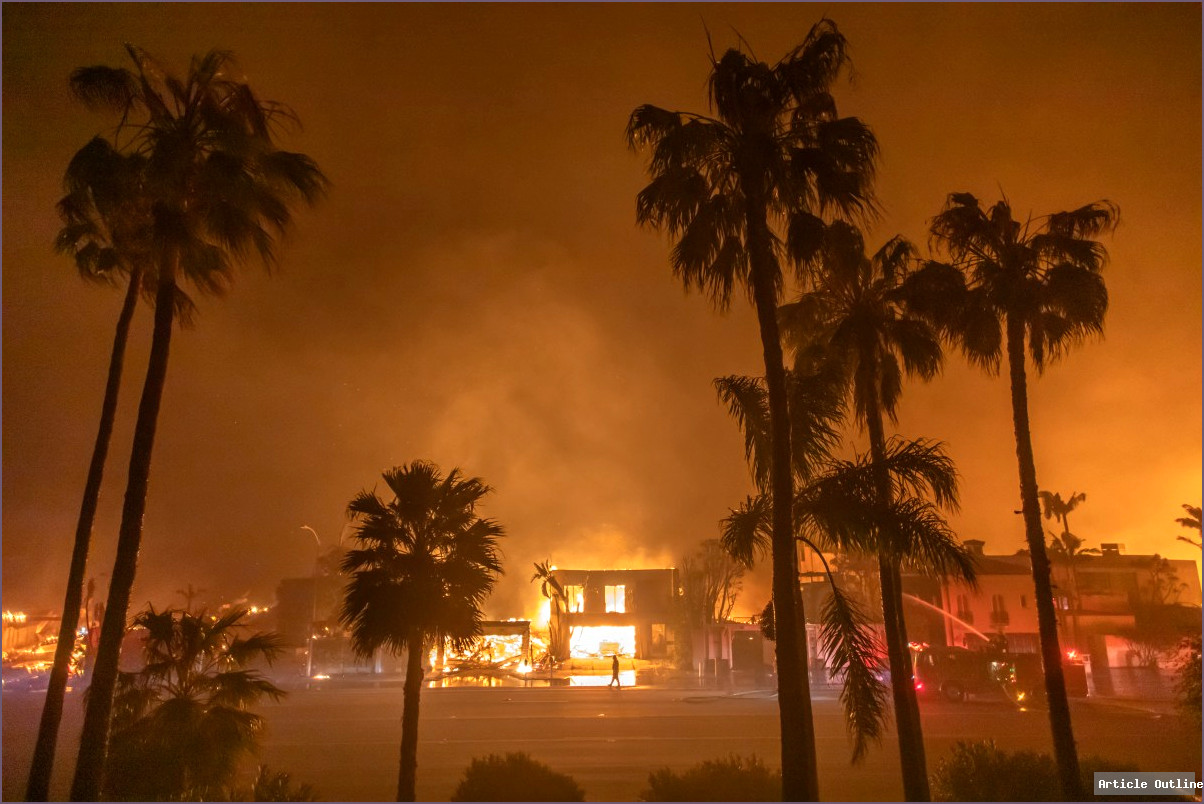
- Accuracy Isn’t the Enemy: Critics question First Street’s risk models, but the company claims its data outperforms official hazard maps. For example, during the Los Angeles wildfires, their maps identified over 90% of homes that burned as high risk.
- The Insurance Angle: Insurers and institutional investors already use climate risk data to price policies and portfolios. Homebuyers, ironically, are being kept in the dark.
Key Takeaways
- Zillow’s decision is a consumer setback. Ready access to climate risk empowers buyers and encourages resilience-focused investments.
- Other platforms haven’t blinked. Realtor.com, Redfin, and Homes.com still display climate risk scores, highlighting differing philosophies on transparency.
- Official maps don’t tell the whole story. According to a Louisiana State University analysis, nearly twice as many properties face a 1% annual flood risk as FEMA’s maps indicate.
- Hiding risk may backfire. Delaying climate risk awareness can lead to buyer remorse, lawsuits, and even municipal planning failures.
Industry Context & Comparisons
- Precedents: First Street’s climate risk scores have been on Realtor.com since 2020, suggesting that consumer appetite for this data is not new.
- Market Reality: The real estate and insurance worlds are racing to keep up with climate volatility. As Peter Gajdoš of Fifth Wall notes, “If buildings are on fire or underwater, they don’t have much value.” The stakes are existential.
- Transparency Trend: Tech-driven transparency is coming to every industry—from Carfax for used cars to NutriScore on food. Hiding risk is a short-term play that rarely ages well.
Pros and Cons: Zillow’s Move
- Pros:
- May help some agents close deals in high-risk areas.
- Avoids disputes over data accuracy at the point of sale.
- Cons:
- Reduces buyer empowerment and trust.
- Potential to increase future litigation or insurance surprises for new homeowners.
- Signals that industry interests can override consumer protection.
The Bottom Line
Zillow’s removal of climate risk scores is a clear win for short-term sales—but a long-term loss for transparency and consumer trust. In an era of rising climate risk, hiding the truth only raises the stakes for everyone involved. The real estate landscape is shifting, with or without Zillow’s participation. The smartest buyers will dig deeper—and the savviest platforms will help them do it.
Timeline: The Climate Risk Score Saga
- 2020: First Street’s risk scores debut on Realtor.com.
- Sept 2024: Zillow adds climate risk data to listings.
- Late 2025: CRMLS objects; Zillow removes scores, replacing them with a link to First Street’s site.
Action Steps for Homebuyers
- Seek out climate risk data from alternative sources (Redfin, Realtor.com, First Street).
- Ask agents direct questions about climate exposure and insurance requirements.
- Factor climate resilience into your home’s true value—not just its curb appeal.