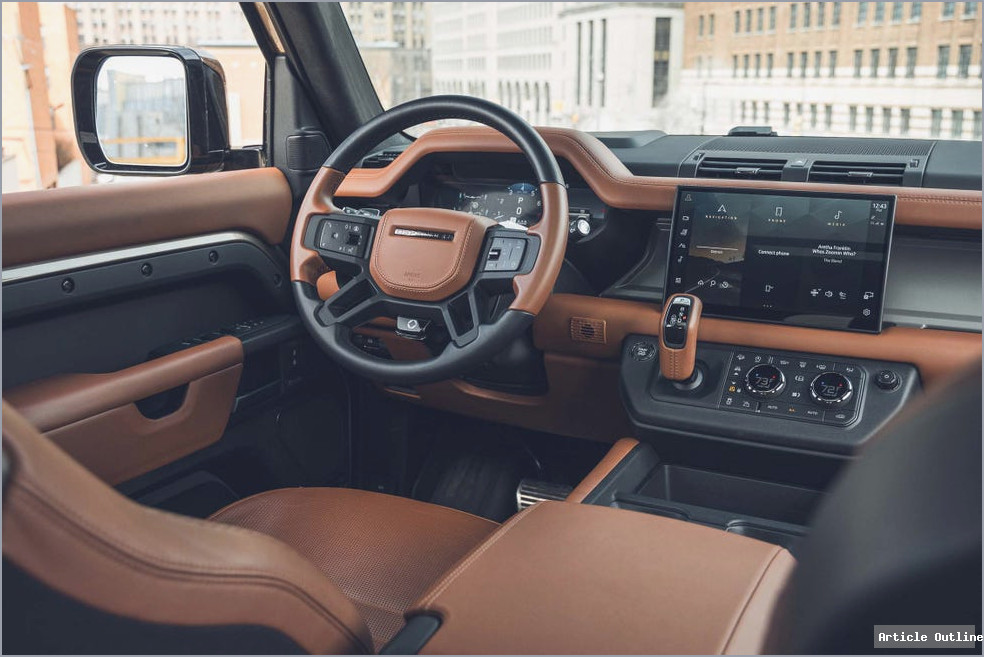
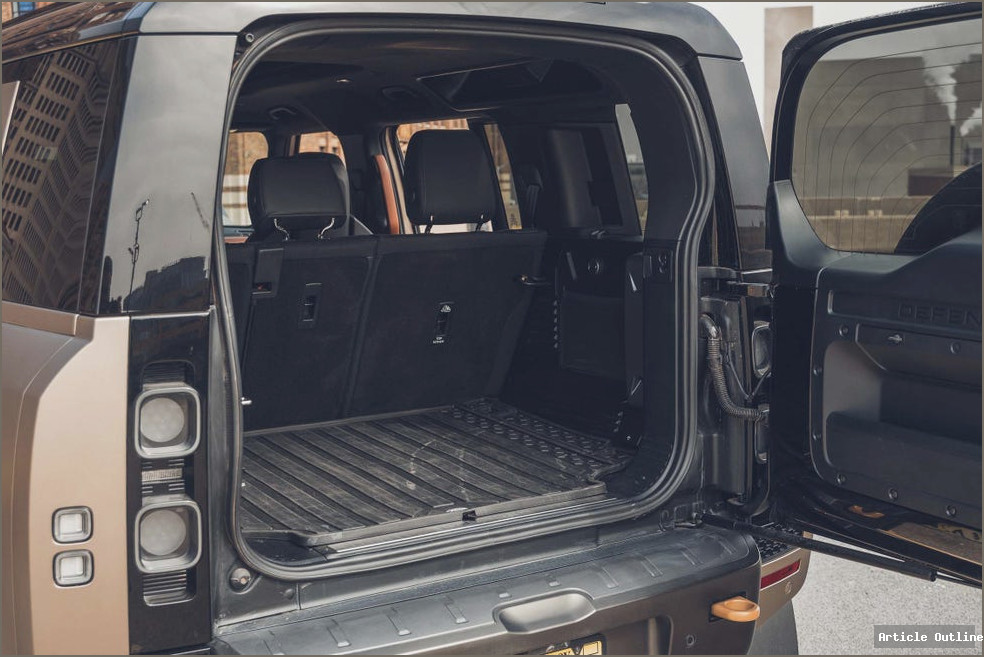
The 2025 Land Rover Defender Octa isn’t just another luxury SUV with a big engine—it’s a bold statement in a market obsessed with speed, heritage, and off-road prowess. With a BMW-sourced 4.4-liter twin-turbo V8 cranking out a jaw-dropping 626 horsepower, the Defender Octa is gunning straight for the throne long held by the Mercedes-AMG G63. But here’s what makes this new Defender more than just a numbers game.
Why This Matters
- Performance SUVs are redefining what’s possible in the luxury off-roader segment. For years, the Mercedes-AMG G63 was the undisputed benchmark. Now, Land Rover is not just catching up—they’re looking to leap ahead with a unique blend of British style, off-road credibility, and raw speed.
- The Defender Octa’s hydraulic suspension and widened stance signal a new era for Land Rover Special Vehicle Operations (SVO): they’re not just building plush rides—they’re engineering performance machines with real-world capability.
- At $153,850 (base), the Octa undercuts the G63 by over $40,000— a rare value proposition in the rarefied air of six-figure SUVs.
What Most People Miss
- The Defender Octa isn’t just about speed on paper. The real story is in how Land Rover has worked to tame a nearly 6,000-pound SUV so it can corner flat, accelerate like a sports car, and still look ready for a mountaintop rescue mission.
- Hydraulically linked suspension is a game-changer. It’s not just for comfort; it actively controls pitch and roll, making the Octa feel more nimble than its size suggests. This is tech usually reserved for high-performance supercars, not off-roaders.
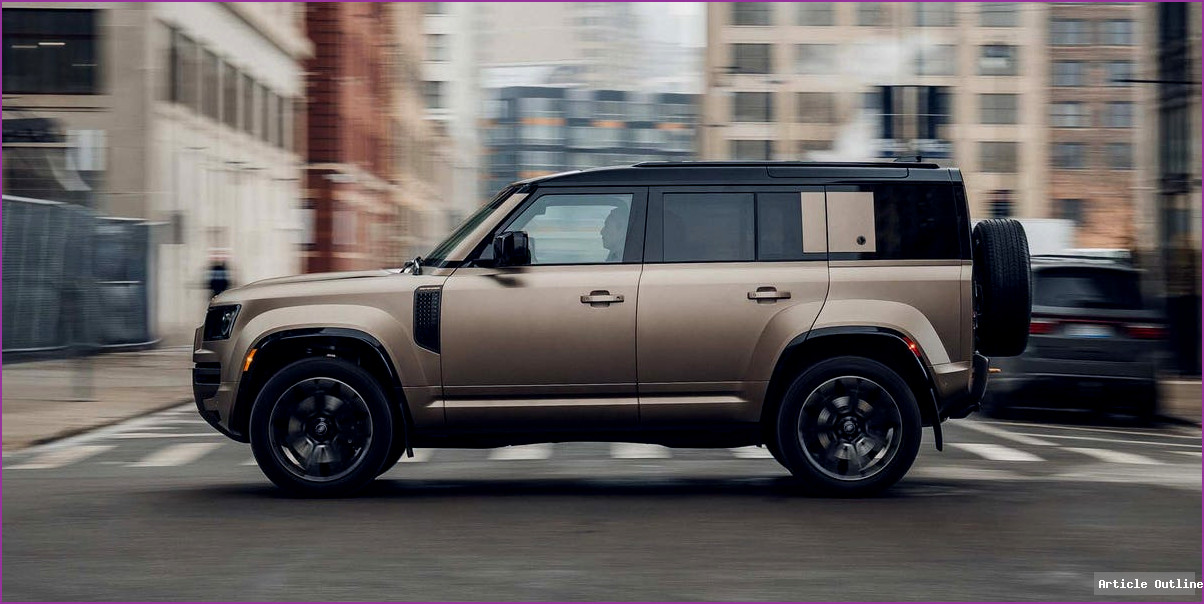
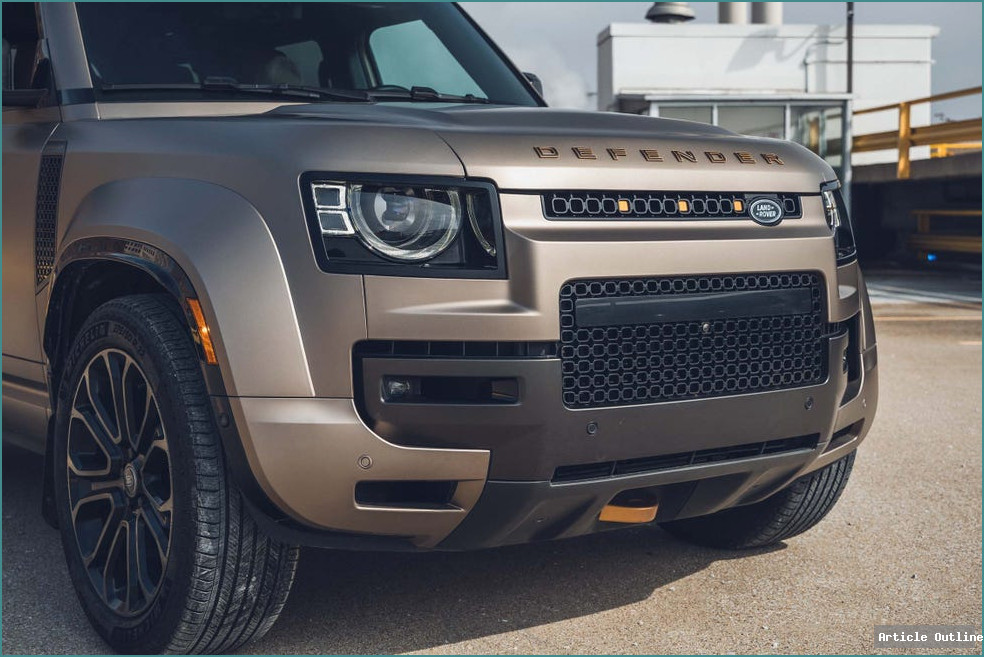
- The Octa’s design screams presence: 2.7-inch wider fenders, 1.1 inches higher ride, and a self-healing $5,155 matte wrap. It’s SUV-as-movie-villain, but with the engineering to back up the attitude.
Key Takeaways
- 0-60 mph in 3.7 seconds. Quarter mile in 12.2 seconds. Top speed: 155 mph. If you think aerodynamics are a concern for a vehicle shaped like a brick, the Octa will shock you.
- Hydraulic anti-roll tech means it corners flatter than you’d ever expect from something this tall.
- The ride is firm—sometimes jarringly so—reminding you that this is a performance machine, not a cushy couch.
- EPA combined fuel economy is only 17 mpg— but if you’re buying a 600-hp SUV, this probably isn’t a deal-breaker.
Comparison: Defender Octa vs Mercedes-AMG G63
| Defender Octa | AMG G63 | |
|---|---|---|
| Engine | 4.4L Twin-Turbo V8 (BMW) | 4.0L Twin-Turbo V8 |
| Horsepower | 626 hp | 577 hp |
| 0-60 mph | 3.7 sec | 3.7 sec |
| Base Price | $153,850 | $196,900 |
| Curb Weight | 5,975 lb | 5,842 lb |
Pros and Cons
- Pros:
- Blistering acceleration and power
- Distinctive styling and presence
- Advanced chassis and suspension tech
- Better value than most ultra-luxury rivals
- Cons:
- Firm, sometimes jarring ride
- Heavy curb weight flirts with 6,000 lbs
- Expensive options (matte wrap, big wheels)
Industry Context and Trends
- BMW V8s are popping up in more high-end vehicles— a sign of the industry’s shift toward platform and engine sharing, even among brands with fiercely loyal followings.
- Performance off-roaders are the new status symbol: Think Lamborghini Urus, Aston Martin DBX707, and now the Defender Octa. It’s all about blending luxury, heritage, and mind-bending speed.
- Electrification is coming, but V8-powered flagships are still a thing— perhaps for the last time, making the Octa a future collectible for the power-hungry and nostalgia-driven alike.
The Bottom Line
The 2025 Land Rover Defender Octa isn’t just a faster Defender—it’s a statement piece for those who want to go everywhere, quickly, and look menacing doing it. With a price that (almost) seems reasonable against the backdrop of the G63, and a driving experience that’s equal parts ridiculous and exhilarating, the Octa isn’t just chasing the German competition—it’s daring to outshine it in its own game.
Sources: