The electric vehicle (EV) landscape for 2026 isn’t just about more models—it’s about a seismic shift in what drivers can expect from their ride. Beyond the glossy brochures and horsepower stats, the new EVs reveal industry-wide trends, hidden trade-offs, and a rapidly evolving definition of ‘the car of the future.’ Let’s break down what really matters, what most buyers overlook, and the key takeaways from the incoming EV wave.
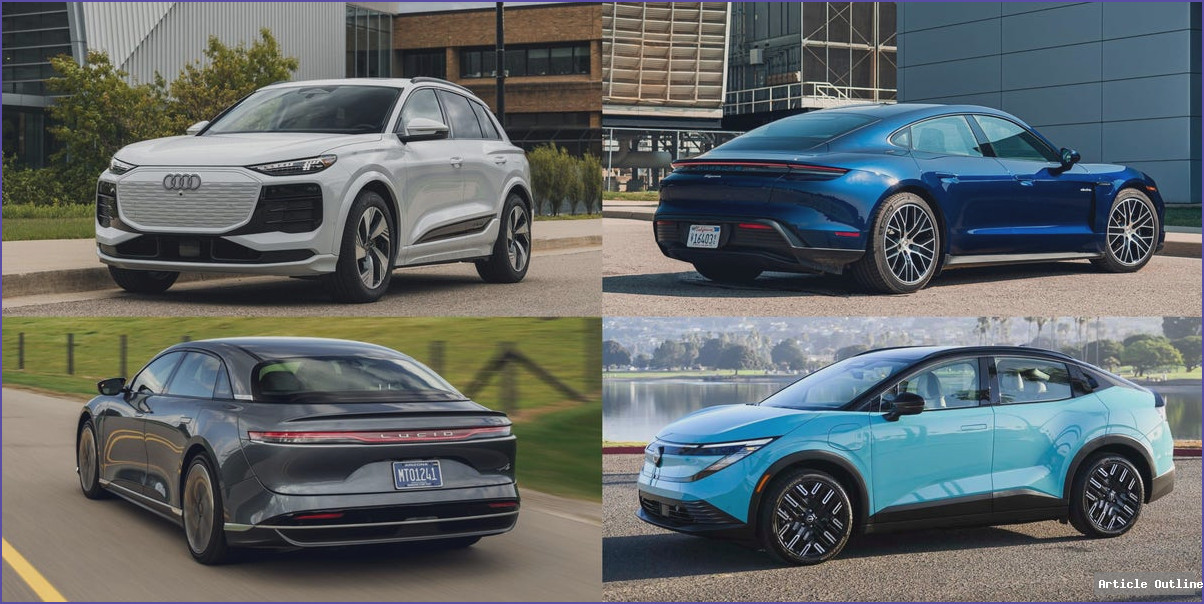
From luxury sedans that rival private jets to practical city commuters ready to upend entry-level pricing, the 2026 EV market is a buffet of innovation and choice. But what’s behind the curtain? Here’s what you need to know.
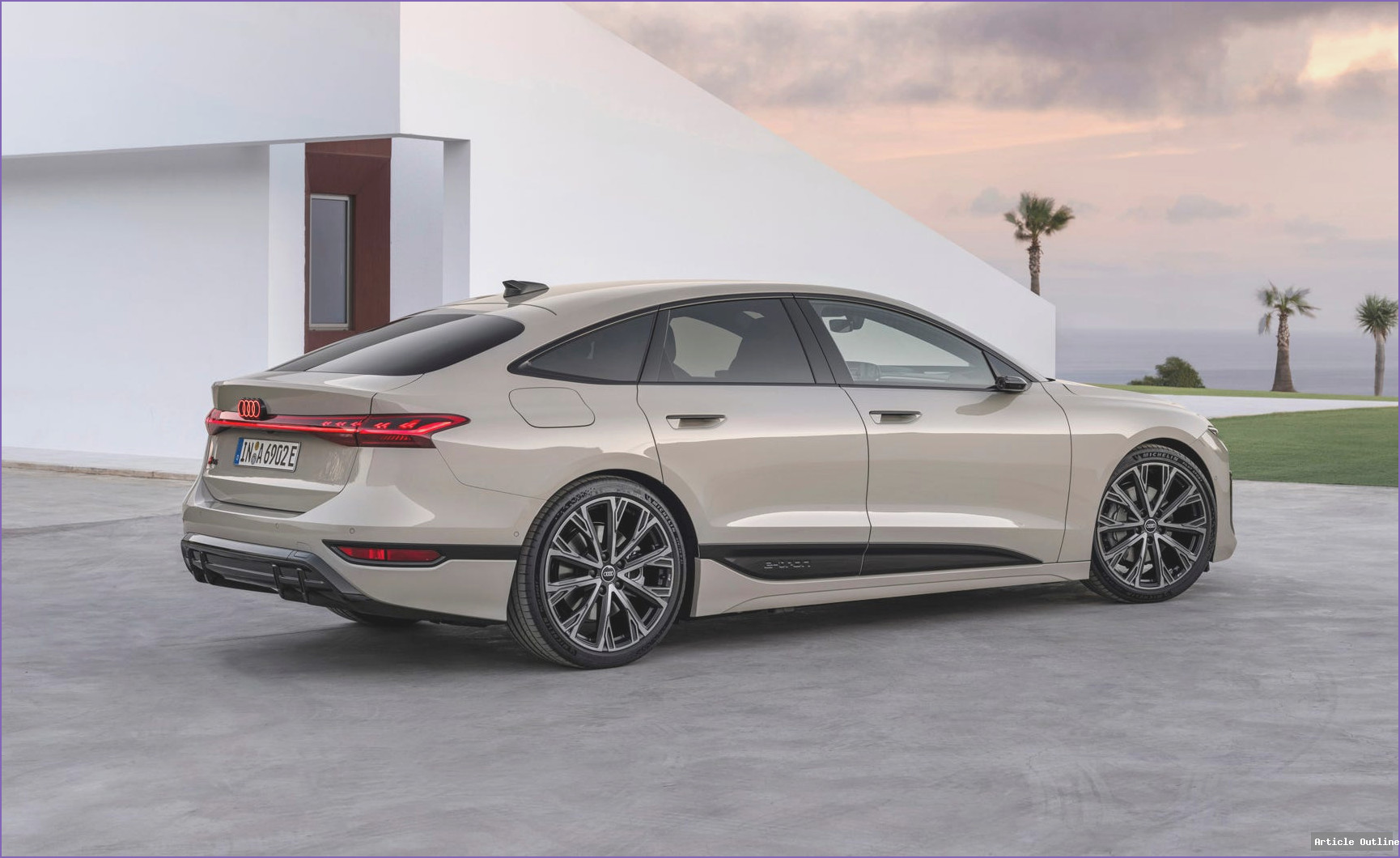
Why This Matters
- The sheer breadth of new EV models in 2026 signals that electrification is no longer a niche or luxury play—it’s mainstream, from compact hatches to flagship SUVs.
- Automakers are racing to meet global emissions mandates and consumer demand, with even legendary American muscle cars (hello, Dodge Charger Daytona) going electric.
- Price points are falling: The Chevy Bolt returns at under $29,000, while luxury brands like Cadillac and BMW push the upper limits with tech-laden, six-figure flagships.
- Battery tech, range, and charging infrastructure are rapidly maturing—reducing the “range anxiety” that’s held many buyers back.
What Most People Miss
- Not all EVs are created equal—platform sharing is rampant. For instance, the Cadillac Optiq and Chevy Equinox EV ride on the same bones, but target wildly different customers.
- Wheel and trim choices can dramatically affect range and efficiency—BMW’s i7 loses range with bigger wheels, a detail many overlook at the dealership.
- Performance and practicality often trade off: The Fiat 500e brings Italian flair but offers a modest 149-mile range, while the Silverado EV aims for truck utility but carries a hefty price tag.
- Bespoke luxury is going electric: Cadillac’s Celestiq is custom-built and starts at $340,000, showing the ultra-premium market is all-in on EVs.
Key Takeaways
- Market Explosion: Expect over 40 distinct EV models for sale in 2026, covering every major segment.
- Affordability Returns: The Chevy Bolt’s comeback proves affordable EVs aren’t vaporware—though options and range still vary.
- Performance Gets Green: Electric power is no longer just about saving the planet—it’s about instant torque and mind-bending acceleration, with many models topping 500 hp.
- Luxury Goes Silent: Brands like BMW and Cadillac are blending Rolls-Royce-level interiors with near-silent electric propulsion.
Industry Context & Trends
- EVs accounted for about 9% of US new car sales in 2023, but projections show that could double by 2026 as more mainstream models hit the market.
- The “battery arms race” continues—expect longer ranges (some SUVs now crack 400 miles) and faster charging (10-80% in under 30 minutes for many).
- Platform sharing means many EVs under different badges will feel similar under the skin—savvy shoppers should look beyond the logo.
Timeline: Electric Vehicle Milestones, 2024-2026
- 2024: Fiat 500e, Mustang Mach-E, and others continue to build momentum.
- 2025: Major launches from luxury and volume brands, including new SUVs and pickups.
- 2026: Full spectrum available—from sub-$30k hatches (Chevy Bolt) to six-figure flagships (Cadillac Celestiq), plus the arrival of electric muscle cars (Dodge Charger Daytona).
Pros and Cons Analysis
- Pros: Wider choice, improved range, falling prices, massive performance gains, quieter cabins, lower running costs.
- Cons: Charging infrastructure can still lag in rural areas, some models have lower range than gas rivals, high-end EVs remain expensive.
Action Steps & Practical Implications
- Consider your real-world range needs—don’t buy based on “maximum range” alone.
- Look at total cost of ownership: Tax credits, fuel savings, and maintenance can make pricier EVs competitive over time.
- Check for platform twins—sometimes the less expensive badge offers nearly the same car for less.
- Test drive before you buy: EVs deliver instant torque and unique driving dynamics that surprise even gearheads.
“The EV revolution isn’t coming—it’s here. But picking the right one means knowing where the real value (and the hidden pitfalls) lie.”
The Bottom Line
2026 will be a turning point: Electric isn’t just the future—it’s the new normal. Savvy buyers will look past the hype, focus on the details, and find an EV that fits their life, not just the latest trend.