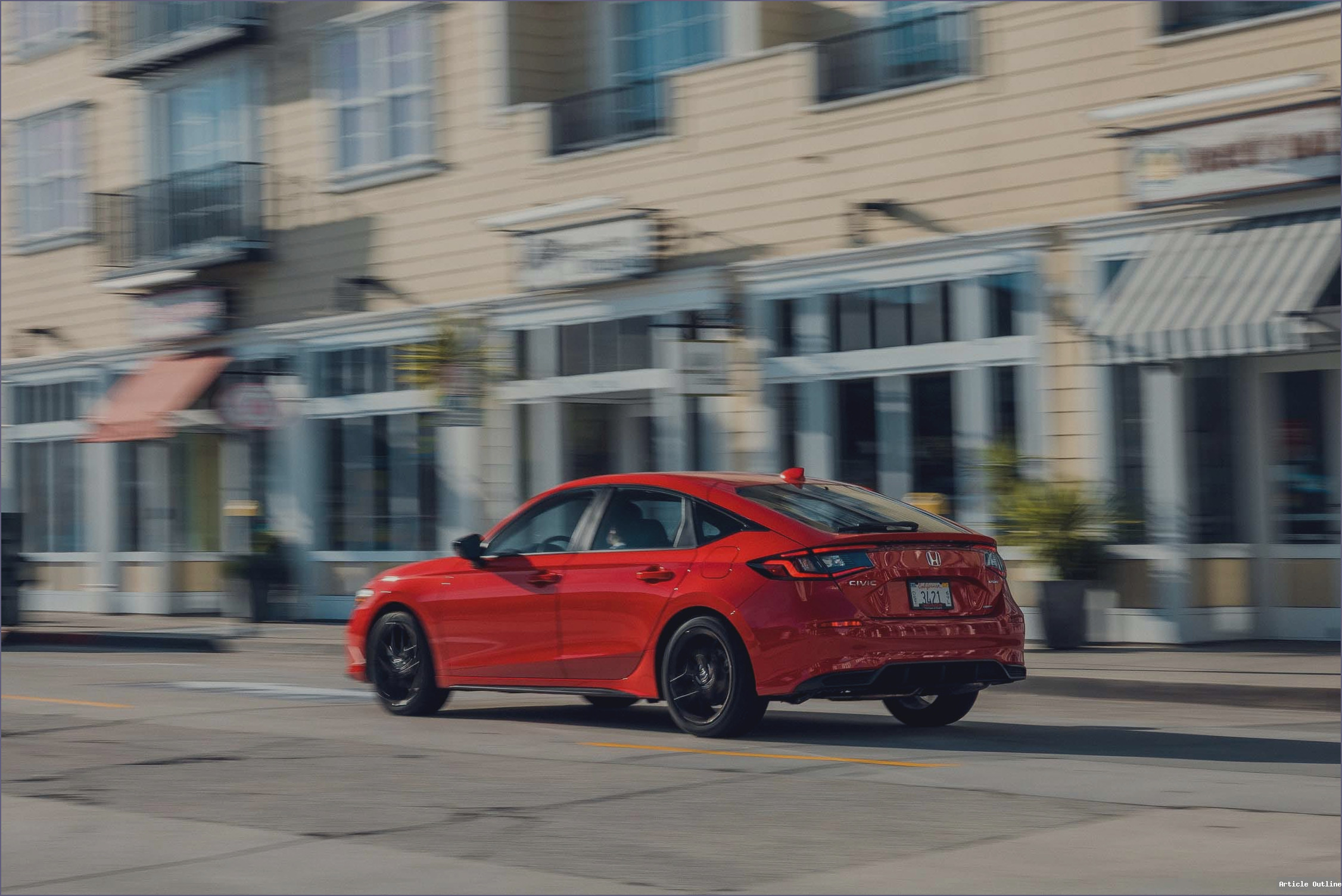
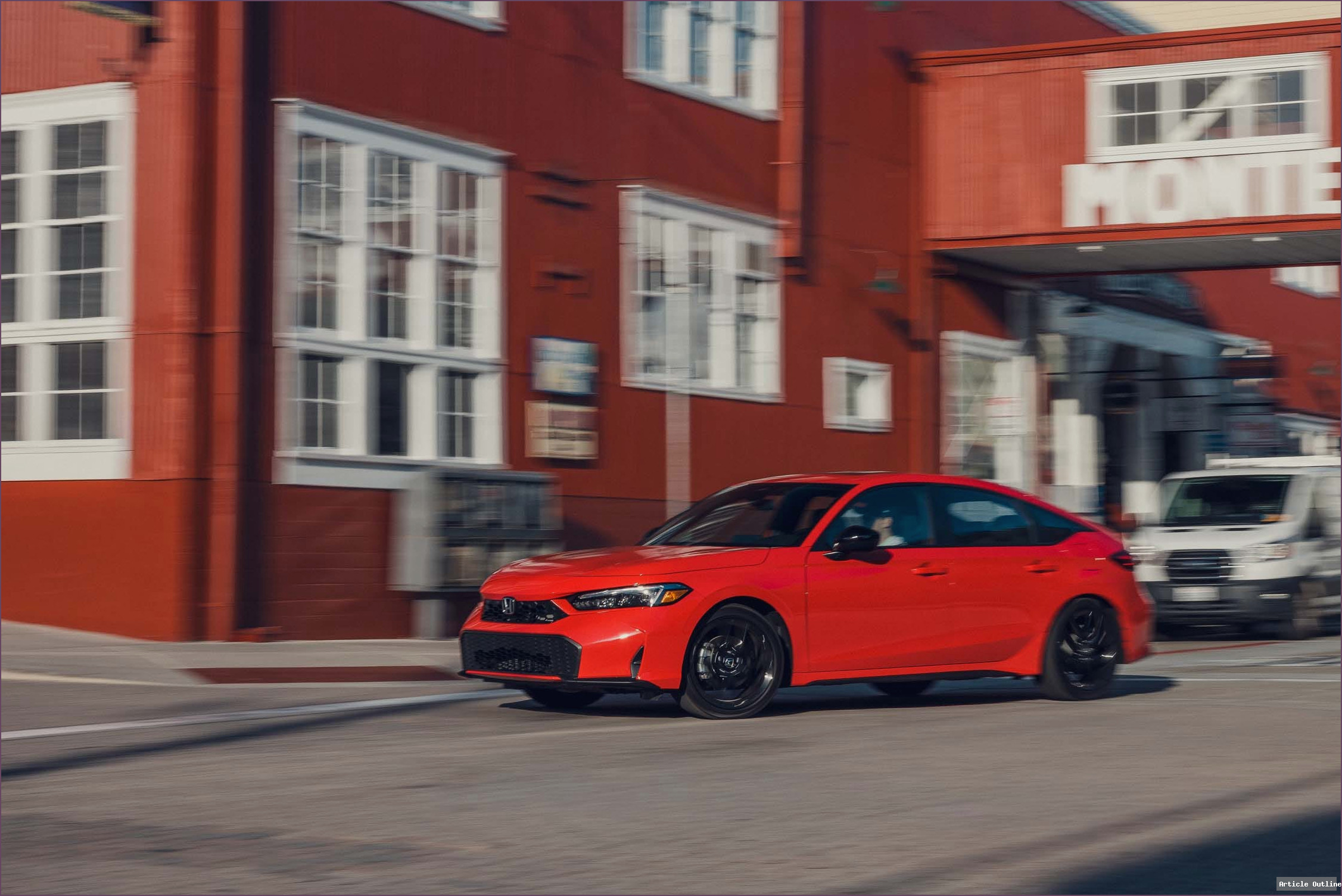
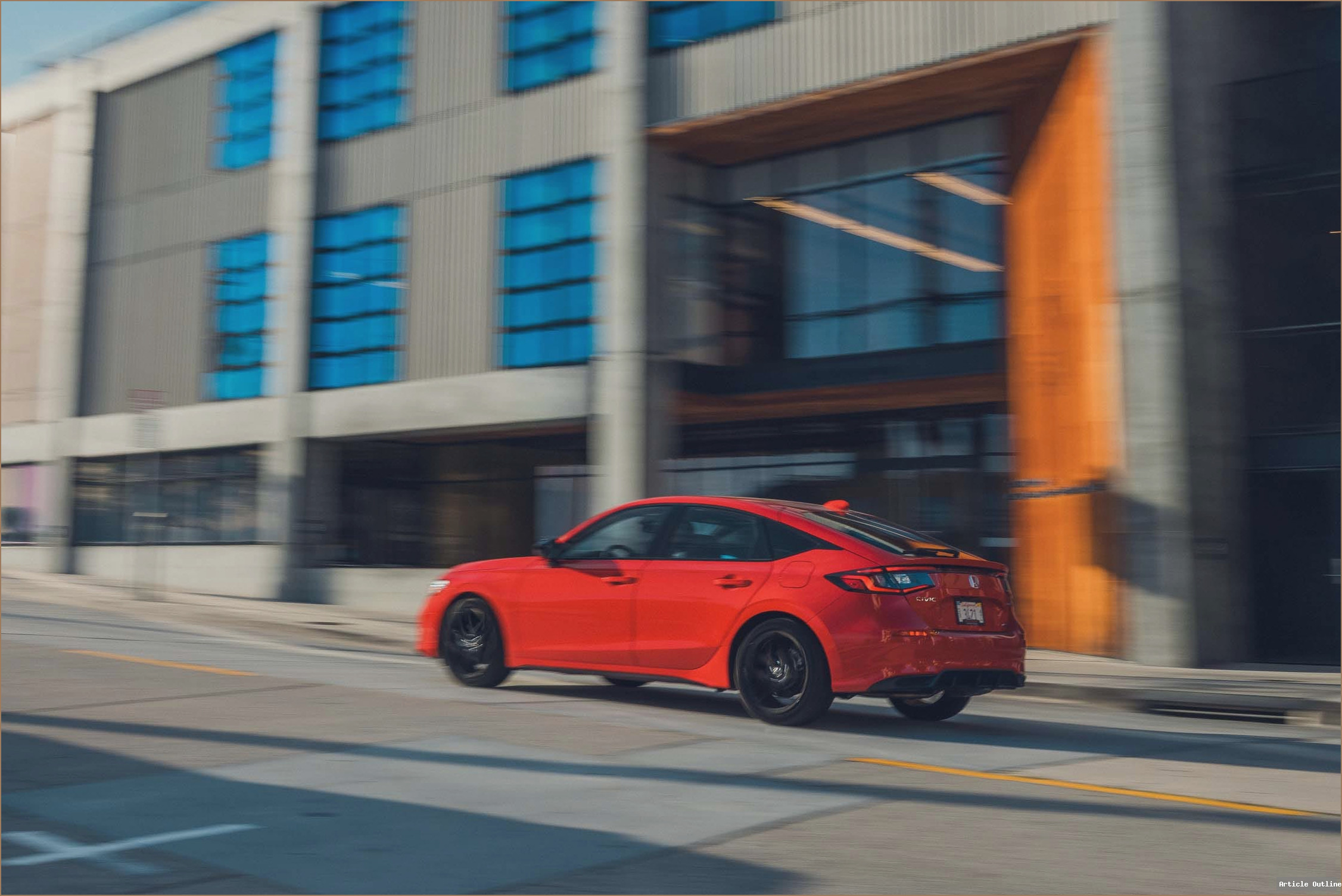
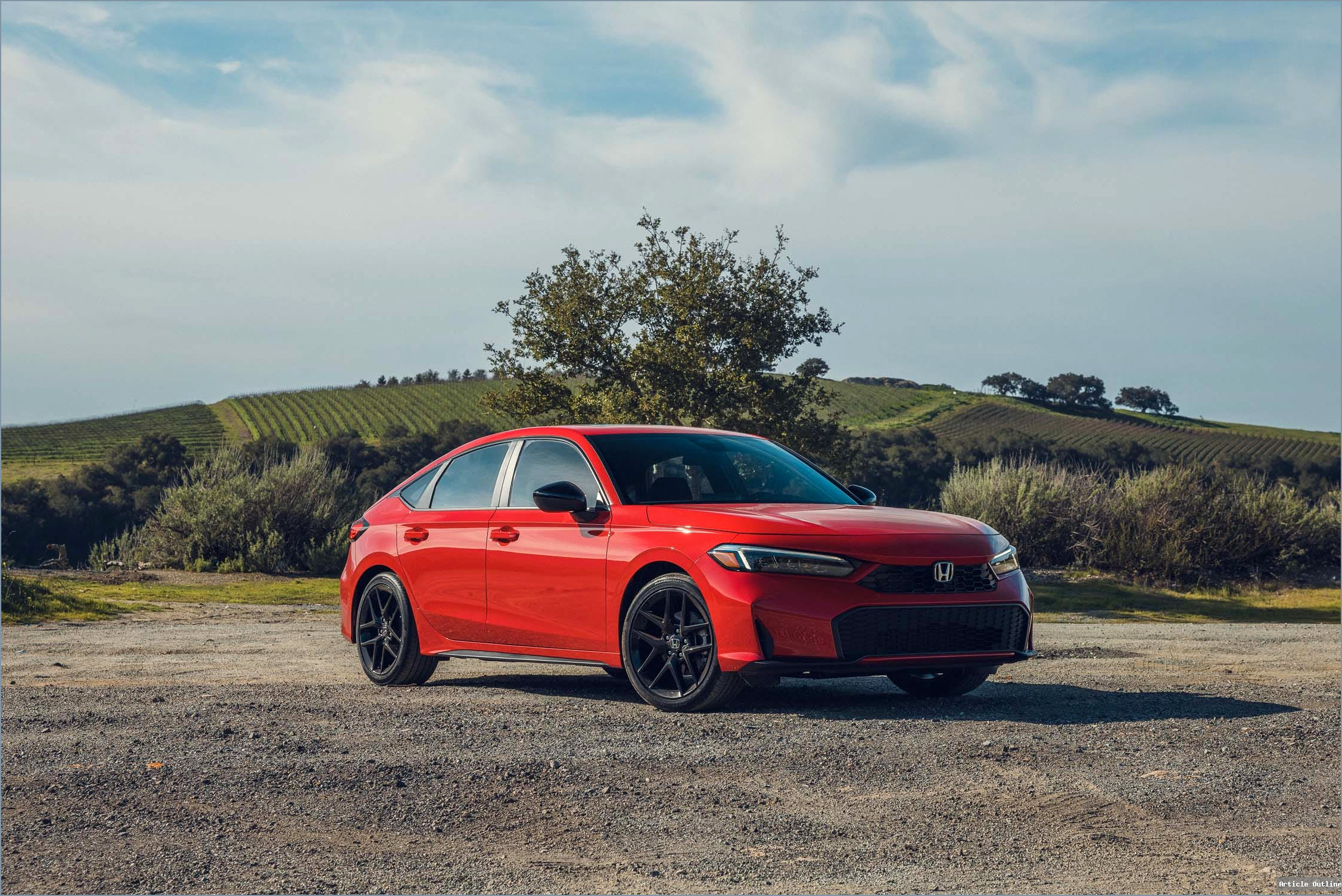
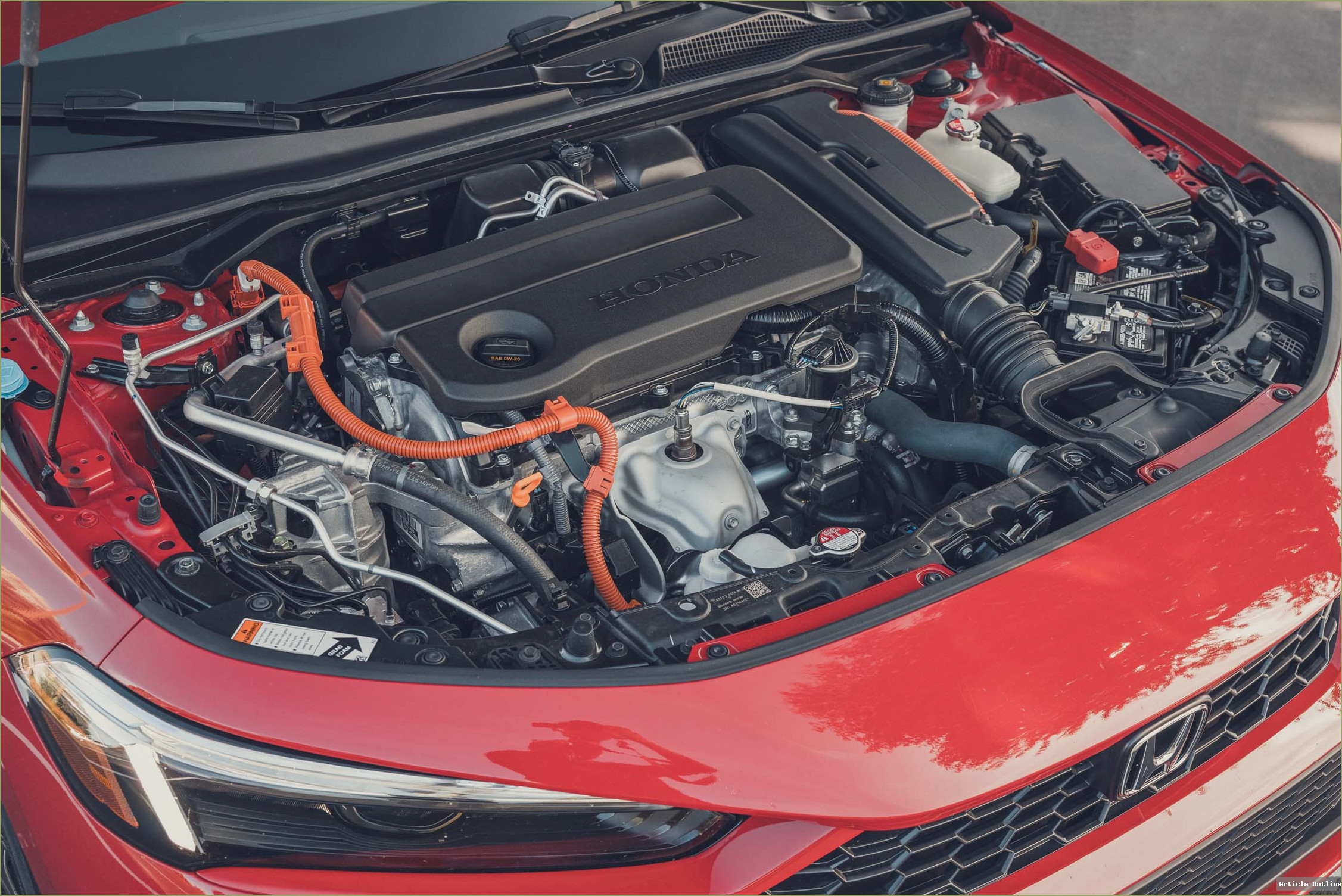
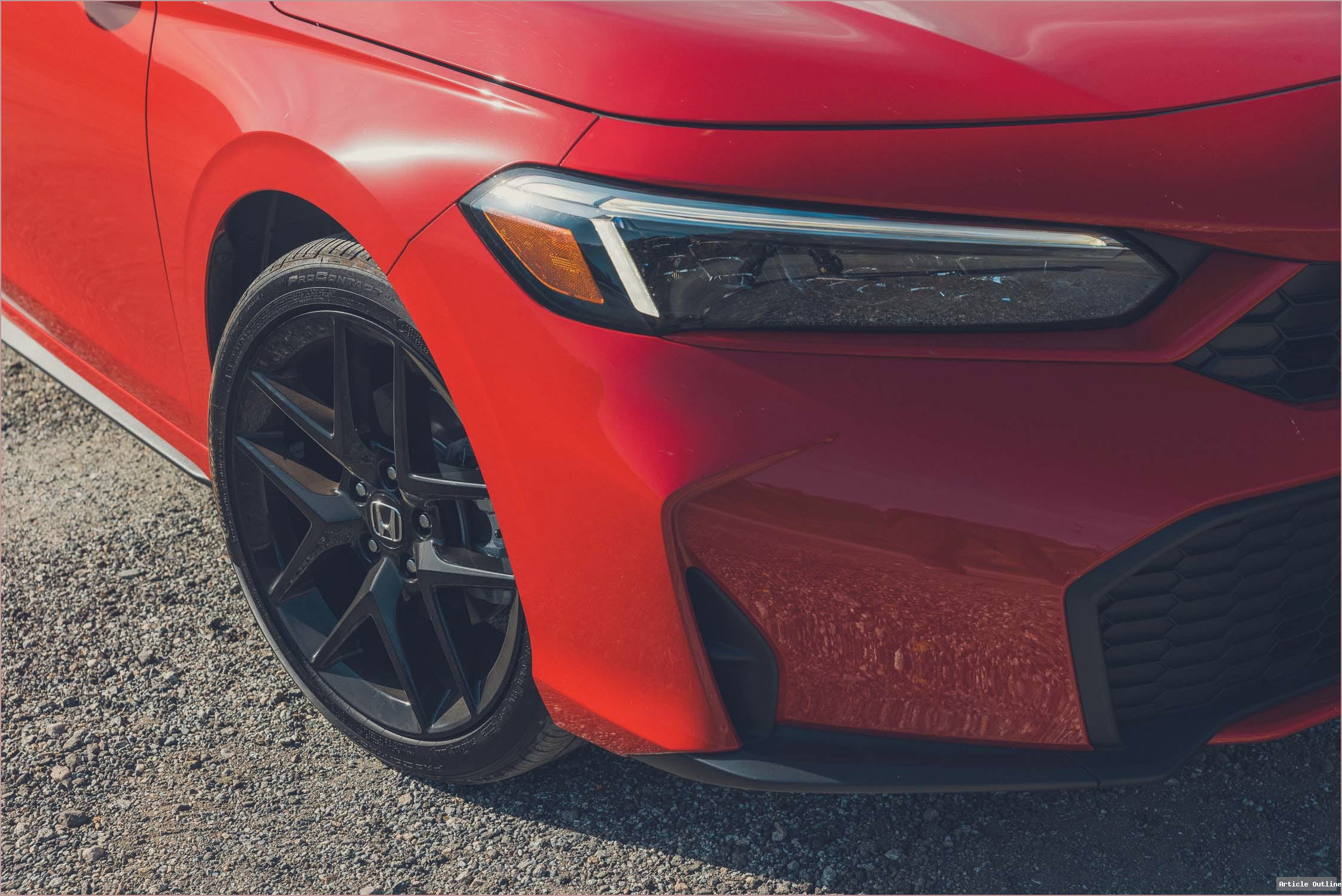
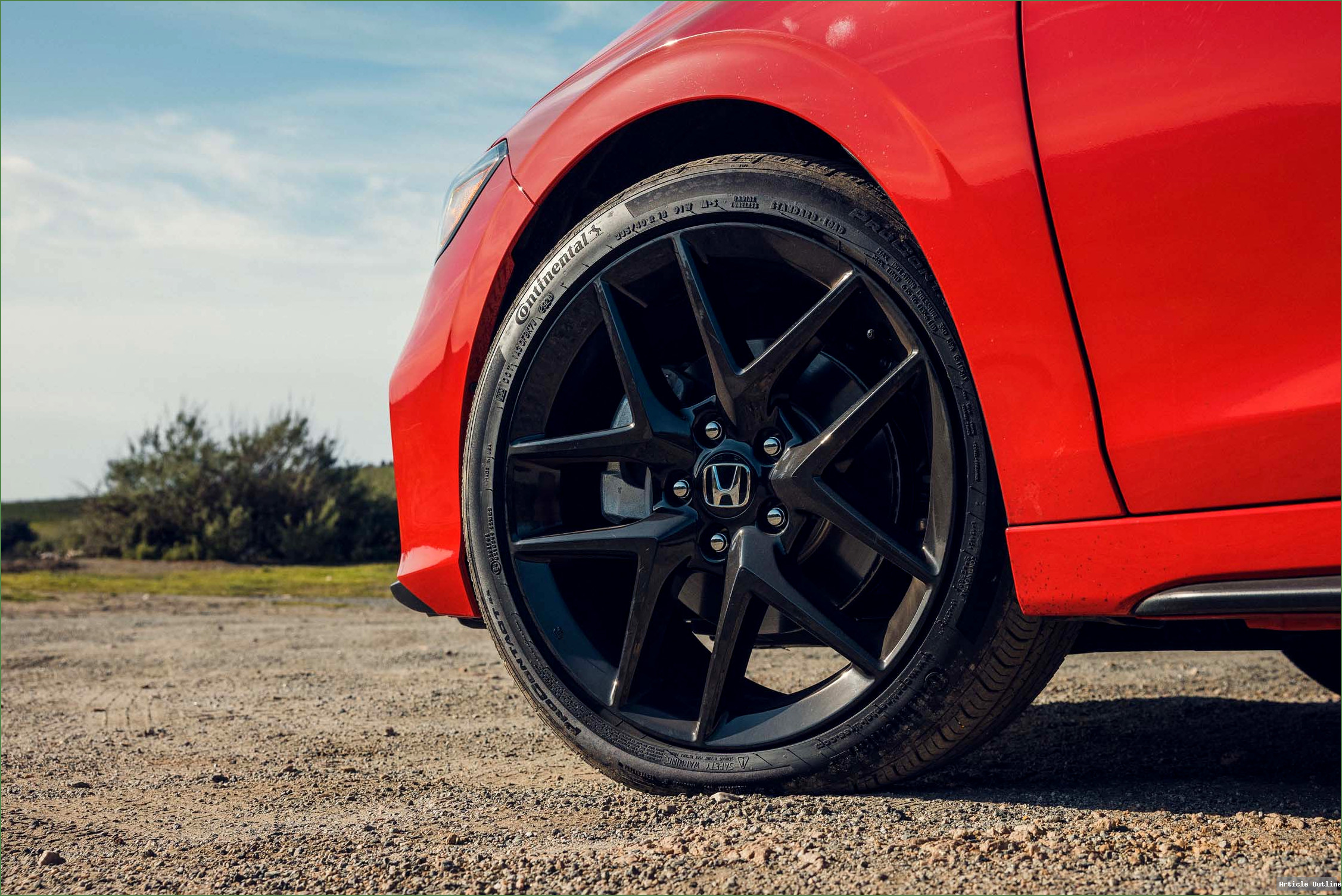
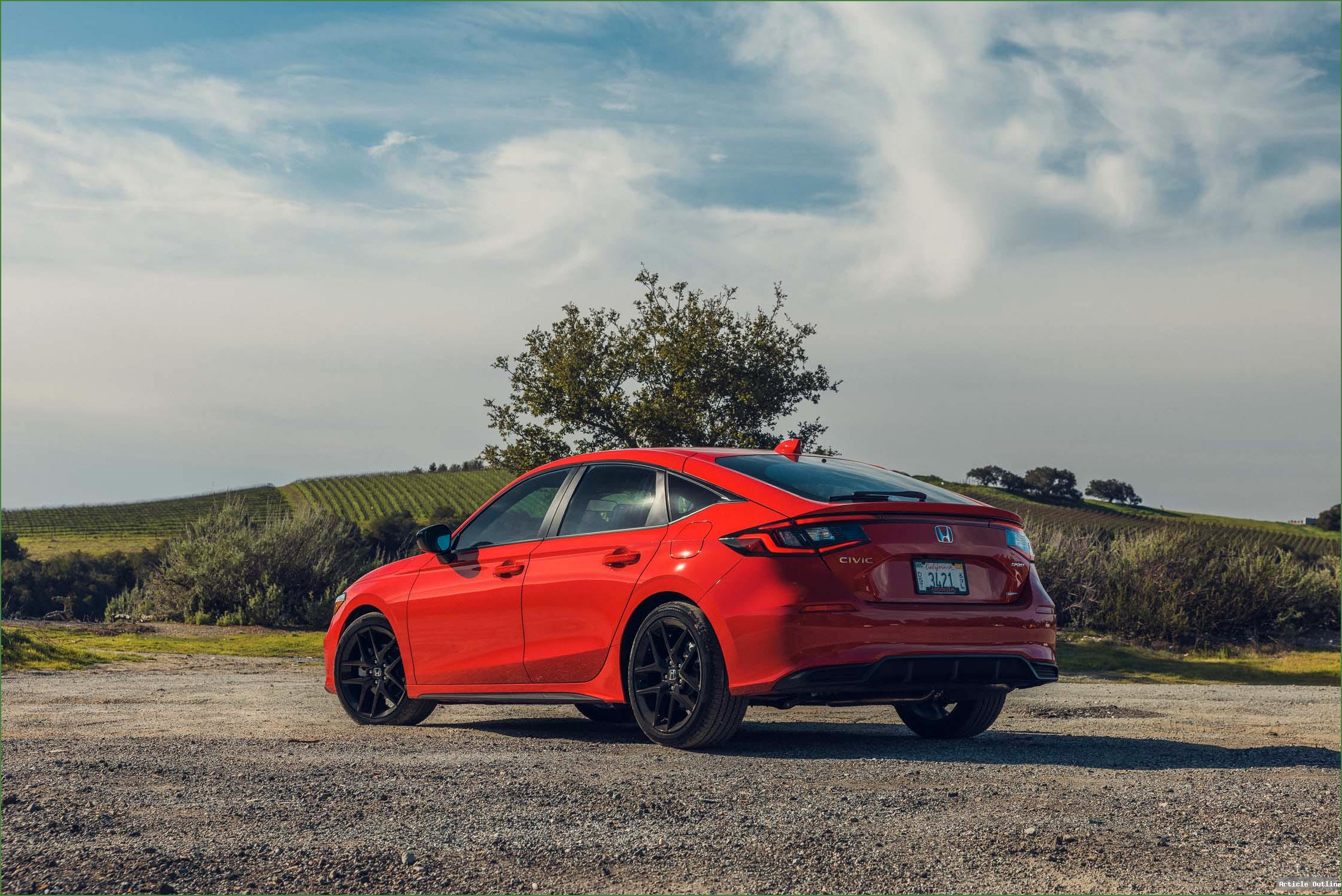
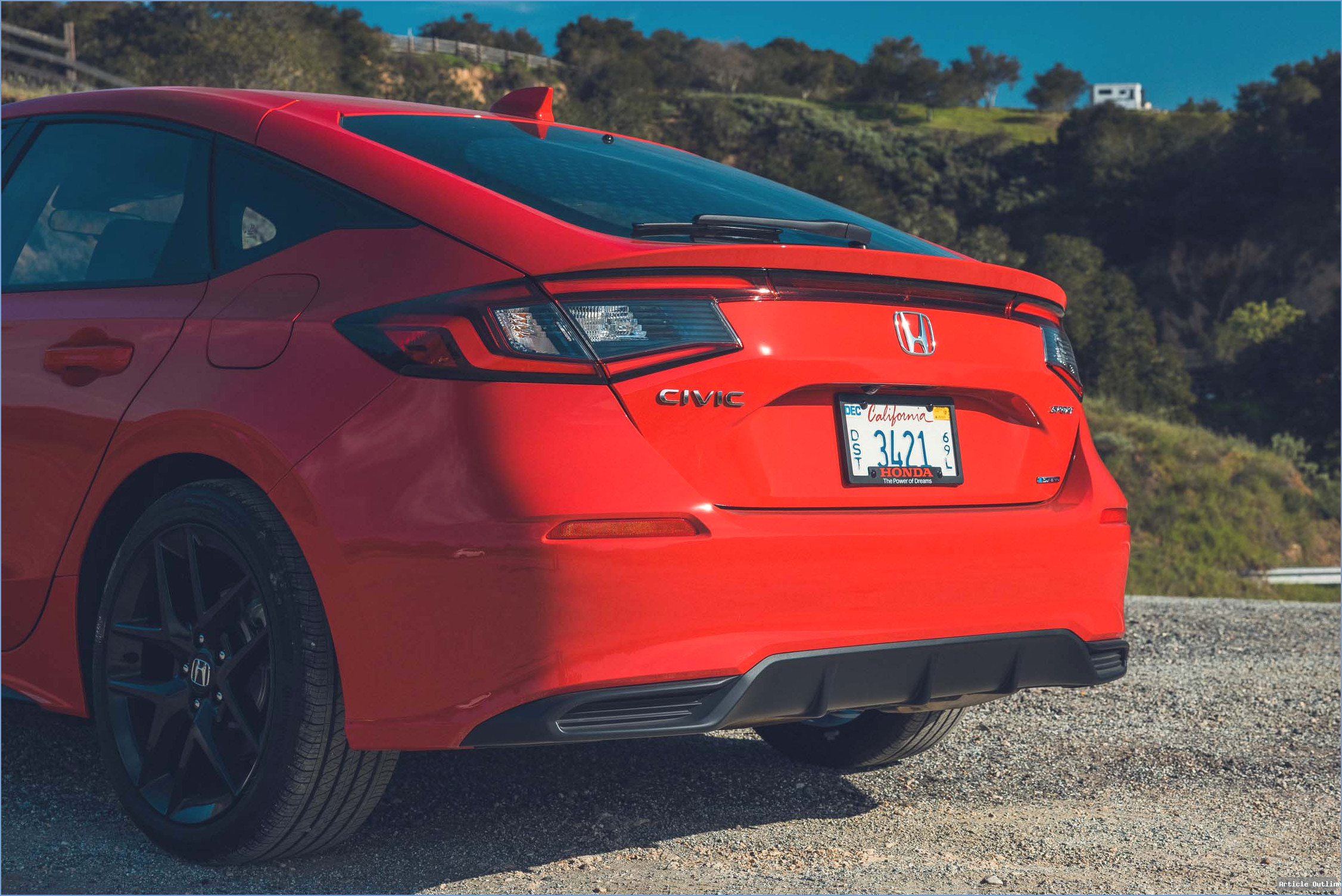
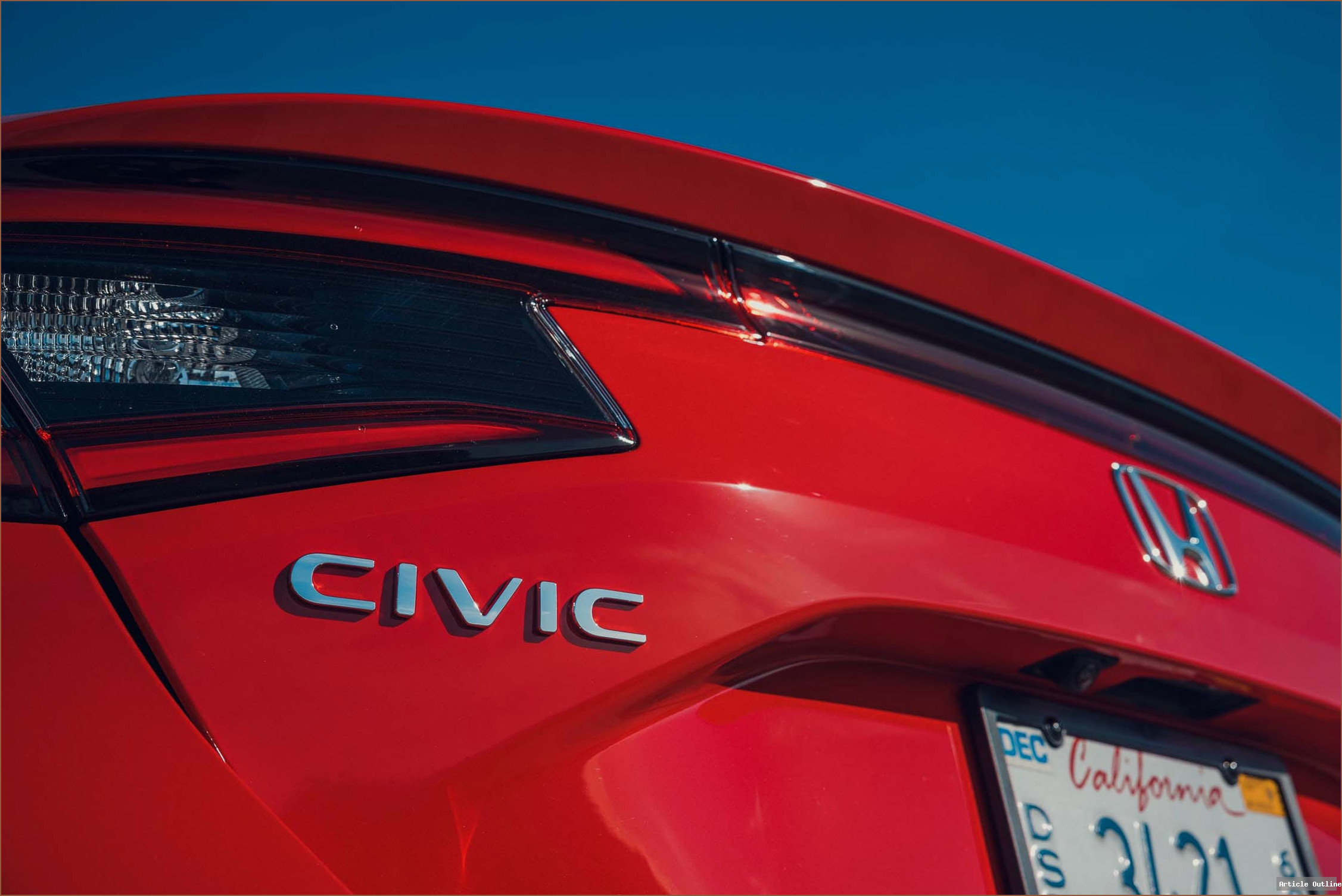
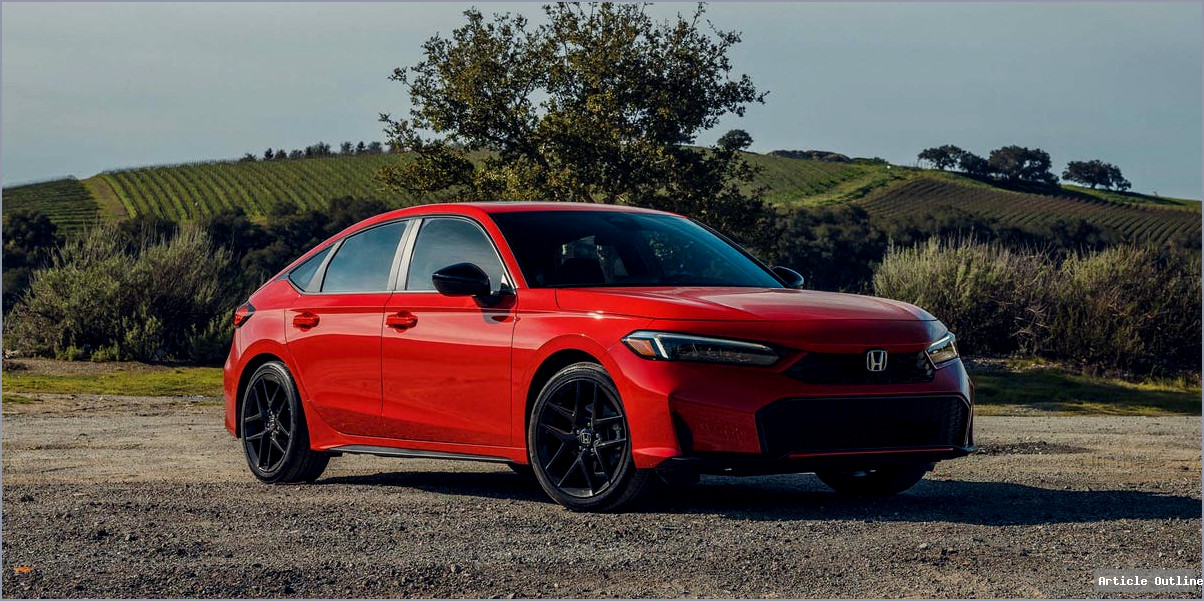
The 2026 Honda Civic Sport Hybrid Hatchback isn’t just another new model—it’s a bold step for Honda in the increasingly competitive hybrid hatchback market. While the photos highlight its sleek exterior, there’s much more under the sheet metal that deserves your attention. Let’s dive into why this Civic Hybrid matters, what most people overlook, and how it stacks up in today’s eco-conscious automotive landscape.
Why This Matters
- Honda’s hybrid hatchback democratizes high efficiency—with an EPA-estimated 48 mpg combined, it brings hybrid affordability to a broader audience.
- Competing head-to-head with the likes of the Kia K4 and Toyota Corolla Hybrid, the Civic Hybrid signals Honda’s commitment to electrified mainstream vehicles—not just flagship models like the Accord or CR-V.
- A larger cargo area (25 cu ft) and longer wheelbase (107.7 inches) than the Kia K4 Hybrid means real-world practicality, not just numbers on a spec sheet.
What Most People Miss
- Superior outward visibility: The Civic’s design isn’t just about style—it’s about safety and everyday ease, offering better visibility than its Kia rival.
- Hybrid system sophistication: The Civic mostly operates as a series hybrid, where the gas engine mainly charges the battery, and the high-torque electric motor does the heavy lifting. This means smoother and quieter acceleration, plus a more EV-like feel around town.
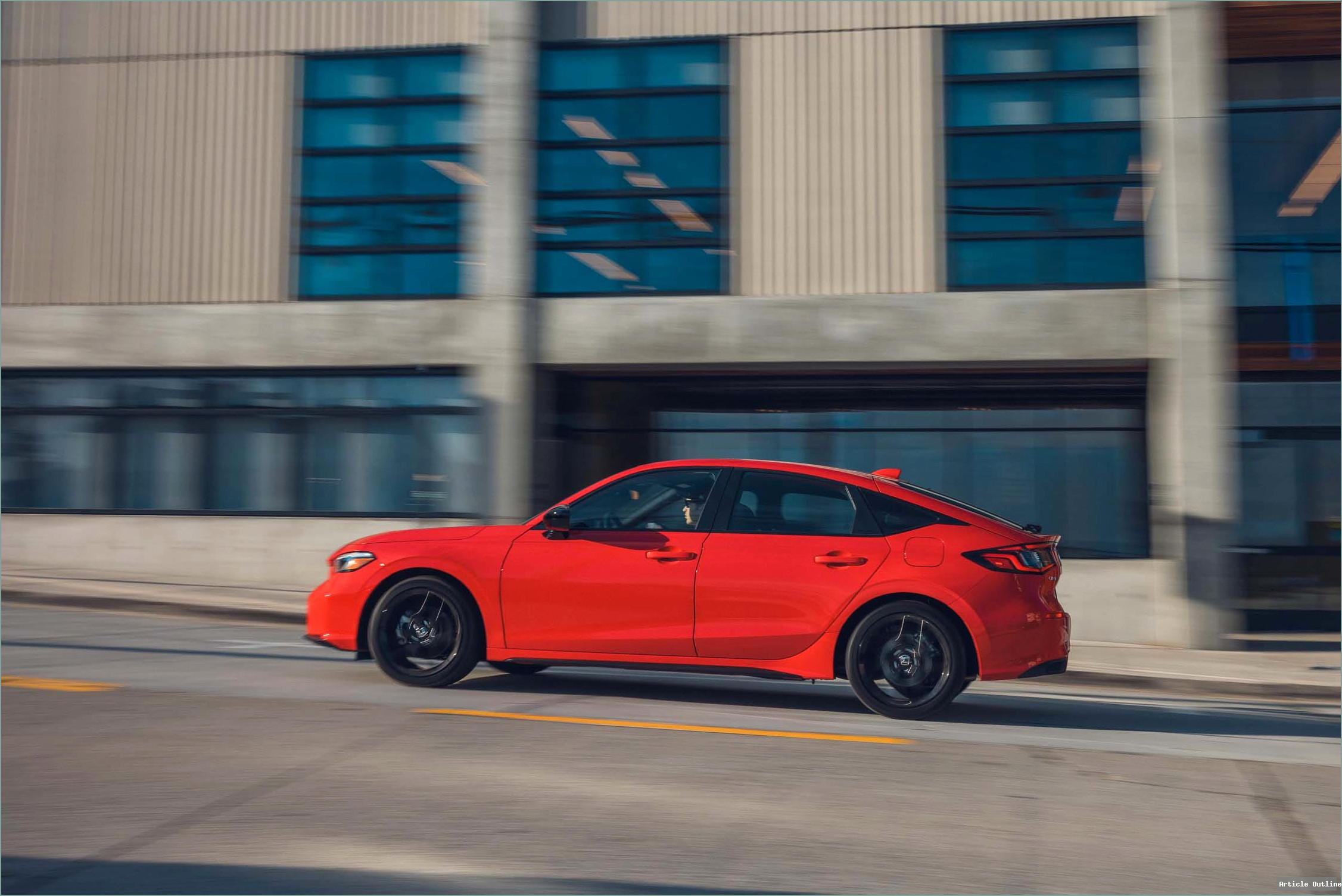
- Driving dynamics: Routine steering and handling are a notch above the competition, keeping that classic Civic fun-to-drive spirit alive—even with hybrid tech onboard.
- Design trade-offs: While some find the Kia K4 more visually striking, the Civic earns high marks for a mature and well-balanced presence. Honda isn’t chasing flashy trends; it’s aiming for lasting appeal.
Key Takeaways
- Best-in-class fuel economy (48 mpg combined) sets a new bar for affordable hybrid hatchbacks.
- Practicality isn’t sacrificed for efficiency—with more cargo space and a roomier wheelbase, it’s a solid pick for small families or urban drivers.
- Hybrid tech is seamless: The Civic’s series hybrid system delivers torque-rich, nearly silent acceleration that many non-enthusiasts will appreciate—without the learning curve of a plug-in.
- Steering and handling remain class-leading, keeping the Civic’s reputation for driver engagement intact.
Industry Context & Comparisons
- The Civic Hybrid is part of a broader trend: automakers are electrifying their most popular nameplates to meet global emissions targets and shifting consumer demand.
- Compared to the Toyota Corolla Hybrid (EPA 47 mpg combined, 17.8 cu ft cargo), the Civic offers both better efficiency and more space.
- The Kia K4 Hybrid offers a compelling alternative, but the Civic edges it out in cargo, wheelbase, and real-world handling, based on early reviews.
Pros and Cons
- Pros:
- Outstanding fuel economy
- Roomy cargo area for the class
- Superior outward visibility
- Fun-to-drive dynamics
- Sleek, mature styling
- Cons:
- Design may be less eye-catching than some rivals
- Hybrid tech is not plug-in capable (yet)
Action Steps & Practical Implications
- If you’re shopping for a practical, efficient hatchback with real driving enjoyment, put the 2026 Civic Hybrid on your test-drive list.
- Watch for Honda to expand this hybrid tech to even more models—expect the Civic Hybrid’s success to influence the next generation of HR-V and possibly the Fit if it returns to the US.
The Bottom Line
The 2026 Honda Civic Sport Hybrid Hatchback is more than just a pretty face—it’s an efficiency leader, a practical daily driver, and a signal that Honda is going all-in on hybrid tech for the masses. With its blend of practicality, efficiency, and driving fun, this Civic is set to become the go-to hybrid hatchback for everyday drivers who want it all—without compromise.
Sources: