The 2026 Honda Civic Sport Hybrid Hatchback isn’t just another update in the Civic lineup—it’s a bold statement about where mainstream hybrids are headed. Honda’s latest hatchback interior isn’t just about clean lines and familiar tech; it reflects a shift in how carmakers blend sustainability, comfort, and user experience for modern drivers.
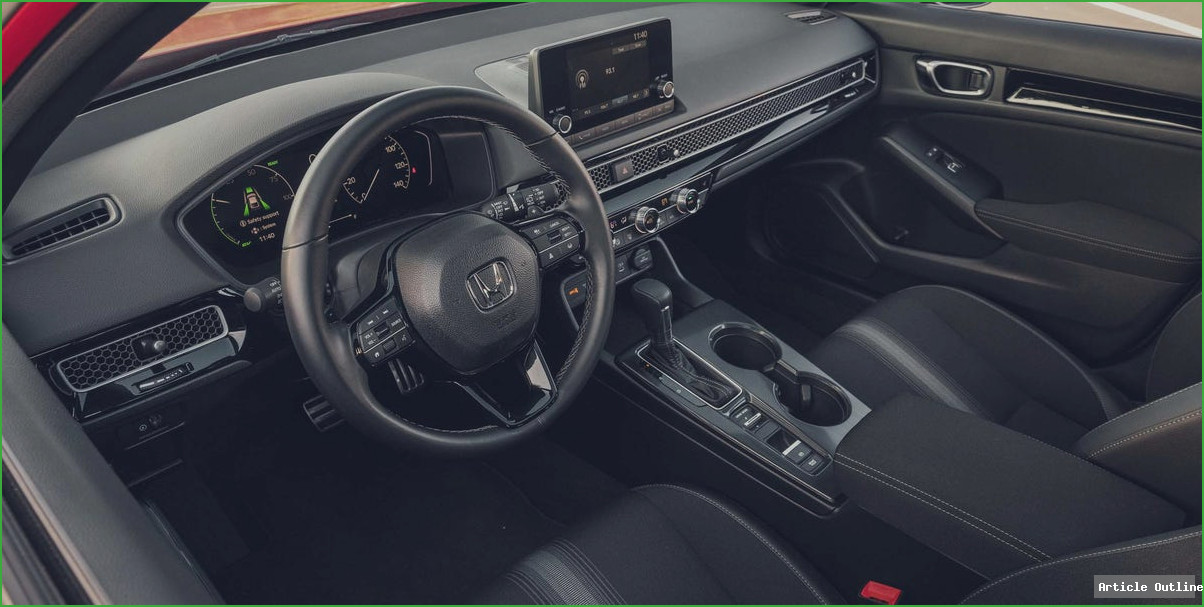
Let’s go beyond the photos and explore what truly sets this interior apart—and why it matters for the future of everyday hybrids.
Why This Matters
- Hybrid is now mainstream: The Civic has always been a bellwether for affordable, practical cars. By hybridizing the hatch, Honda signals that fuel efficiency is no longer a premium feature—it’s becoming the new normal, even in the most familiar nameplates.
- Design meets function: The interior’s clean layout, tactile controls, and accessible tech reflect a deliberate move away from clutter and complexity. This isn’t just for aesthetics; it’s about making cars less distracting and more user-friendly in an age of screen overload.
- Sustainability, subtly woven in: While Honda doesn’t shout about recycled materials or eco-fabrics, expect future iterations to quietly integrate these elements as consumer demand for ‘green’ interiors rises.
What Most People Miss
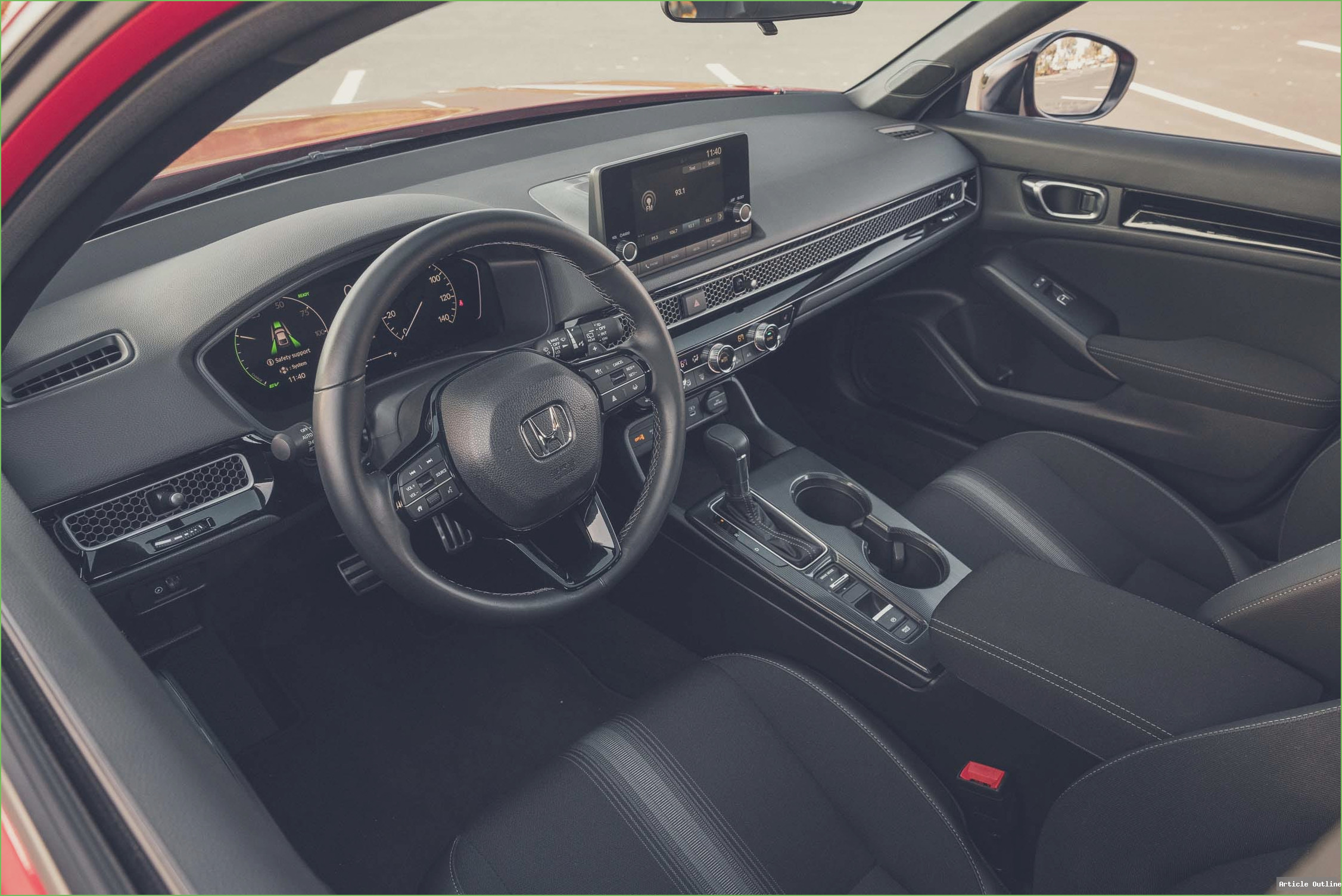
- The analog-digital balance: In a world obsessed with ever-bigger touchscreens, Honda wisely includes knobs and fixed buttons for key functions. This is a subtle nod to ergonomics—drivers can adjust climate or music by feel, keeping their eyes on the road.
- Hybrid-specific instrumentation: The left-side dial tracking hybrid system power output isn’t just a gimmick; it helps drivers maximize efficiency by giving real-time feedback—an education tool for new hybrid owners.
- Piano black overload? The use of glossy black surfaces looks sharp in photos, but in real-world daily use, it’s a magnet for fingerprints and dust. This aesthetic choice is popular but divisive among car enthusiasts and detailers alike.
Key Takeaways
- Simplicity is the new luxury: The Civic’s dashboard and controls prove that you don’t need maximalism to deliver a premium feel.
- Practical ergonomics aren’t dead: Honda’s commitment to physical controls and intuitive layouts is a quiet win for drivers tired of deep menu-dives and screen lag.
- Hybrid integration, not just an add-on: The cockpit doesn’t feel like a retrofit. Hybrid-specific displays and controls are seamlessly built in, unlike some competitors that simply tack on a few extra screens.
Interior Features Breakdown
- Seats: Sporty design, but some reviewers note comfort could be improved for long rides.
- Dash: Eye-catching hexagonal mesh, but the piano black trim is a mixed bag.
- Infotainment: Smaller screen than some rivals, but with user-friendly physical buttons and knobs.
- Climate controls: Simple, logical, and refreshingly easy to use.
- Instrument cluster: Familiar layout with hybrid-specific feedback.
How It Stacks Up: Civic vs. the Competition
- Toyota Corolla Hybrid: Slightly more digital, with a larger screen but fewer physical controls. Toyota’s hybrid system is mature but the interior feels busier.
- Hyundai Elantra Hybrid: Flashier tech, but sometimes at the expense of tactile usability. Honda’s approach is more conservative, but arguably more practical for everyday driving.
Action Steps for Potential Buyers
- Consider your priorities: Do you value ease-of-use or crave the latest tech gadgets?
- Test the seats: Comfort is subjective—make sure the sporty look works for your back.
- Touch everything: See how the controls feel compared to rivals. You might be surprised how much difference a simple knob can make.
The Bottom Line
The 2026 Honda Civic Sport Hybrid Hatchback’s interior isn’t just an incremental update—it’s a reflection of changing expectations in the hybrid market. Honda bets that drivers want simplicity, clarity, and just enough tech—without sacrificing the analog joys of driving. As hybrids continue to dominate the mainstream, expect more automakers to follow Honda’s lead, blending digital with tactile in a way that’s friendly, familiar, and future-ready.