The 2026 Land Rover Discovery may look like an incremental update, but dig deeper and you’ll find a story of strategic repositioning in the luxury SUV segment. For a vehicle that hasn’t radically changed since the 2017 model, the Discovery’s latest tweaks—and the introduction of the Gemini trim—signal more than just a fresh coat of paint. They’re a sign of Land Rover’s calculated response to shifting buyer expectations and fierce competition from luxury rivals.
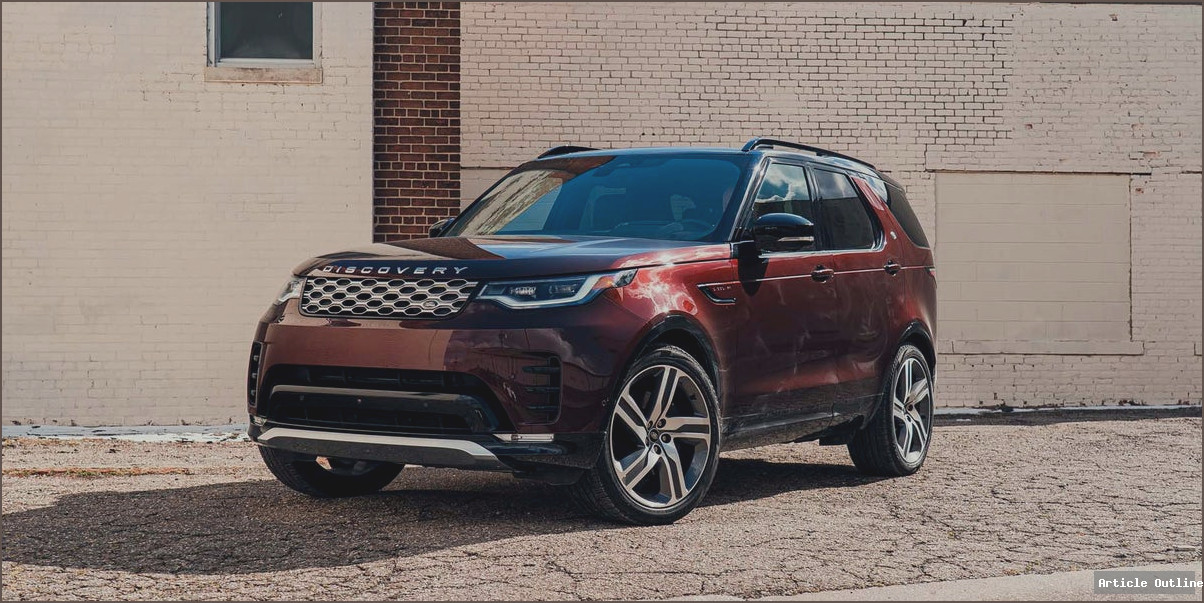
Let’s peel back the layers of the 2026 Discovery, examining what most people miss, why it matters, and how it stacks up in today’s crowded SUV marketplace.
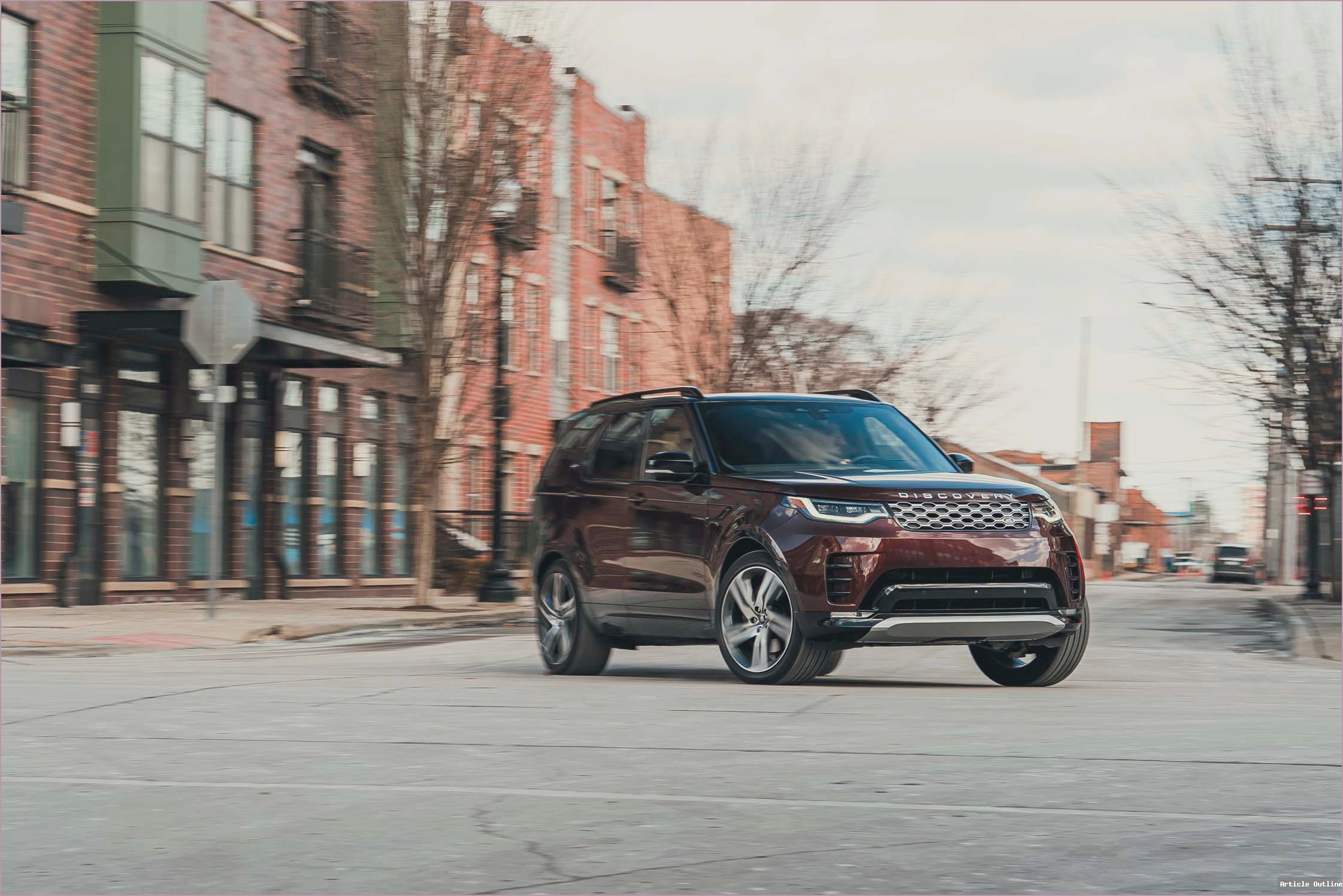
Why This Matters
- Luxury SUVs are no longer just about rugged off-road prowess—they’re urban status symbols. The Discovery’s city-centric styling underscores this shift, directly targeting buyers who value comfort and design over hardcore adventure.
- The new Gemini trim at $72,650 isn’t just about exclusivity—it’s Land Rover’s way of bridging the gap between practical family SUVs and high-end luxury. This price point plants the Discovery squarely between mainstream and ultra-premium, appealing to upwardly mobile families and professionals alike.
- Performance remains a focus, with a turbocharged inline-six delivering 355 horsepower and a brisk 0–60 mph in 6.6 seconds. That’s on par with rivals like the BMW X5 and the Mercedes-Benz GLE, proving that Land Rover isn’t ceding performance ground.
What Most People Miss
- The Discovery’s restrained design is a deliberate move to avoid cannibalizing the rugged Defender and the opulent Range Rover. It’s a Goldilocks strategy—just right for buyers who want a Land Rover badge but don’t identify as hardcore off-roaders or luxury connoisseurs.
- Despite minimal exterior changes, the Discovery quietly adopts tech upgrades and subtle refinement cues that keep it competitive in a market obsessed with the latest gadgets. These incremental changes often go unnoticed but are crucial for customer satisfaction—and resale value.
- The addition of the Gemini trim suggests Land Rover is targeting specific market niches, possibly to counter slowing sales in some global markets. It’s a tactical play that echoes what we’ve seen from Audi’s Black Optic or BMW’s M Sport packages.
Key Takeaways
- 2026 Discovery is not about radical reinvention—it’s about refining a formula that works.
- Buyers get performance, prestige, and practicality—without the polarizing looks of a Defender or the eye-watering price of a Range Rover.
- The SUV’s starting price puts it in direct competition with German rivals, forcing Land Rover to double down on its unique blend of British heritage and all-terrain credibility.
Industry Context and Comparisons
- Competition Check: The BMW X5 (starting at $65,200) and Mercedes-Benz GLE (from $62,650) both offer turbocharged six-cylinder engines and similar 0–60 mph times. The Discovery’s price and capability make it a compelling alternative, especially for buyers seeking a distinct British flavor.
- Market Trends: According to J.D. Power, luxury SUV sales have grown by over 12% in the past two years, but buyers increasingly demand tech features and urban sophistication over off-road ability. The Discovery’s evolution fits this trend perfectly.
- Design Philosophy: Where the Defender leans rugged and the Range Rover screams luxury, the Discovery stays versatile—subtle enough for the school run, but still ready for a weekend getaway.
Pros and Cons Analysis
- Pros:
- Balanced styling—refined but not pretentious
- Powerful engine options
- New Gemini trim offers exclusivity and value
- Maintains Land Rover’s reputation for comfort and capability
- Cons:
- Minimal exterior changes may disappoint those seeking a dramatic redesign
- Tech and features must continue to keep pace with German rivals
- Starting price could deter budget-conscious buyers
The Bottom Line
The 2026 Land Rover Discovery is an exercise in quiet confidence. It doesn’t shout for attention, but it doesn’t need to. For buyers who want luxury and capability—without the flash—the Discovery remains the thinking person’s luxury SUV. Its incremental evolution is a lesson in how subtlety, when executed well, can be a brand’s strongest asset in a fast-changing market.