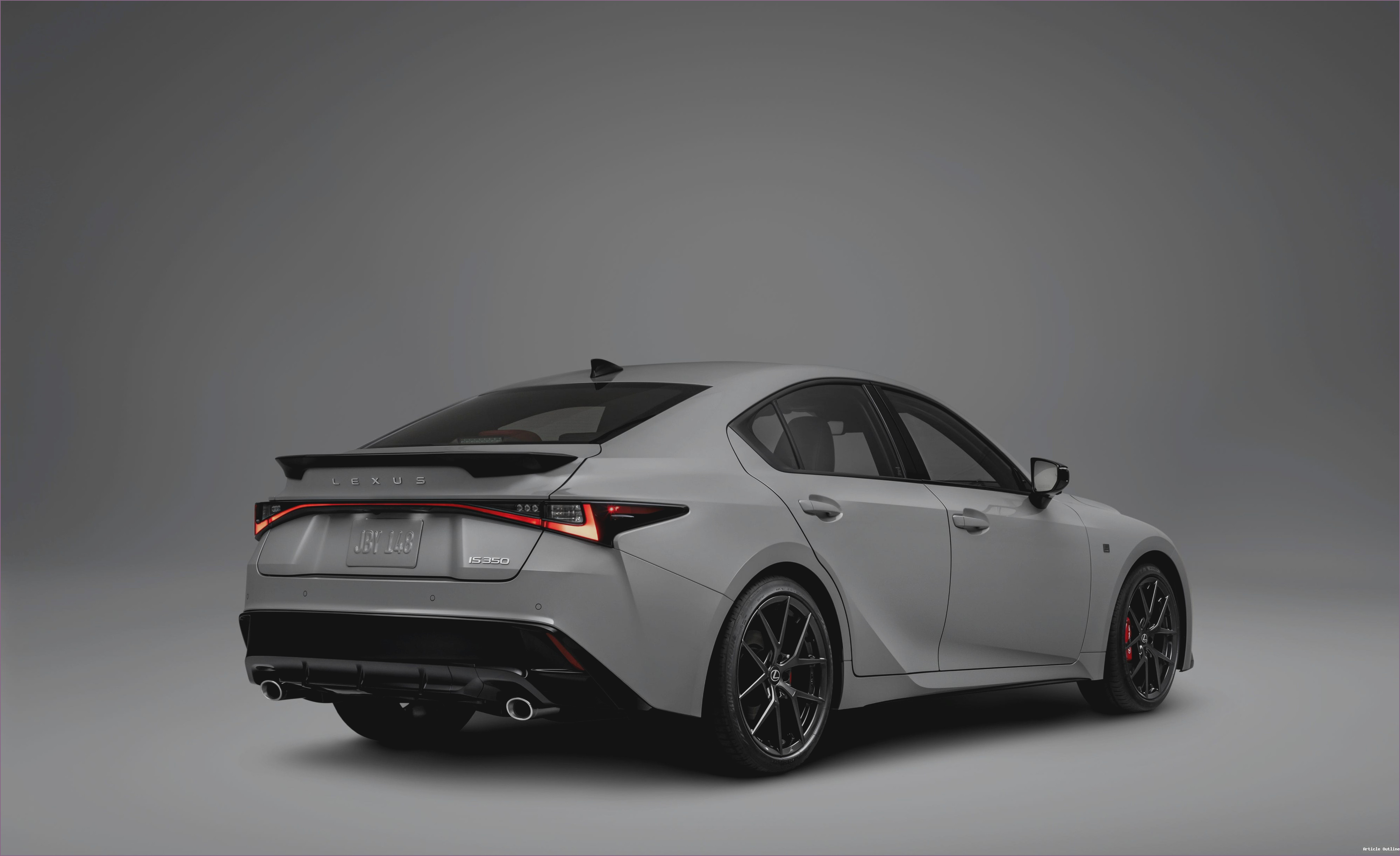
The 2026 Lexus IS refuses to go quietly into the night. After more than a decade and multiple facelifts, the IS sedan gets yet another refresh and a significant price hike. But beneath the shiny new face and upgraded tech, there are deeper stories and industry signals most people miss.
Why This Matters
- The IS’s survival is a statement about Lexus’s strategy in a shrinking sports sedan market. As automakers rush into SUVs and electrification, Lexus chooses to double down—at least temporarily—on a traditional, gas-powered sedan. This bucks the trend and signals that not all buyers are ready to give up on the analog driving experience.
- Lexus trims fat to survive. By killing off the IS500 and its V-8, Lexus is clearly prioritizing efficiency and profitability over raw performance—a move that mirrors the industry’s slow but steady retreat from enthusiast-first models.
- The price hike is more than sticker shock—it’s an industry bellwether. The new IS350 starts at $48,090, up $6,260 from the IS300 it replaces. This isn’t just inflation; it’s a bet that buyers will pay more for ‘premium’ and tech, even as the actual car changes little under the skin.
What Most People Miss
- This is the third facelift for an 11-year-old platform. In car years, that’s practically Jurassic. Instead of investing in an all-new IS, Lexus is squeezing every last drop out of the existing bones—likely to bridge the gap until a next-gen EV or hybrid arrives.
- Enthusiast drivers get a mixed bag. Yes, the IS350 keeps its V-6, but the loss of the IS500’s V-8 marks the end of an era. The new electric power steering and suspension tweaks are promising, but they’re incremental rather than revolutionary.
- Interior upgrades are flashier, but not game-changing. The jump to a 12.3-inch screen and better materials are overdue. Yet, the tech and cabin still lag behind segment leaders like the BMW 3 Series or Genesis G70 in innovation and luxury.
Key Takeaways
- 2026 IS350 is now the only option—no more four-cylinder or V-8. You get a 311-hp V-6, rear- or all-wheel drive, and two trims (F Sport Design and F Sport).
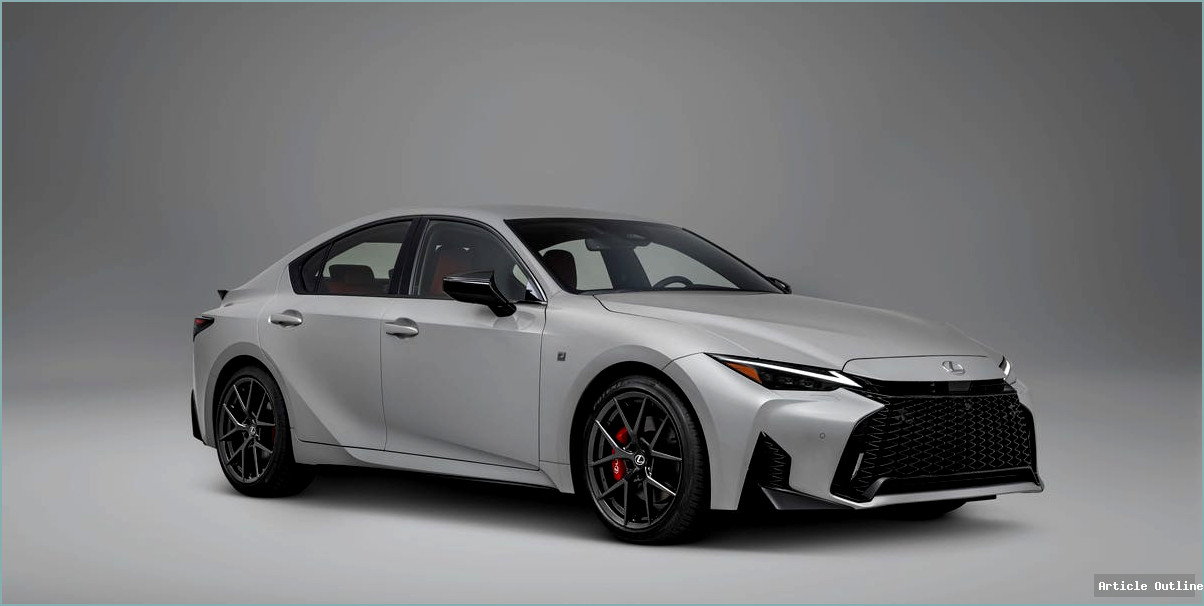
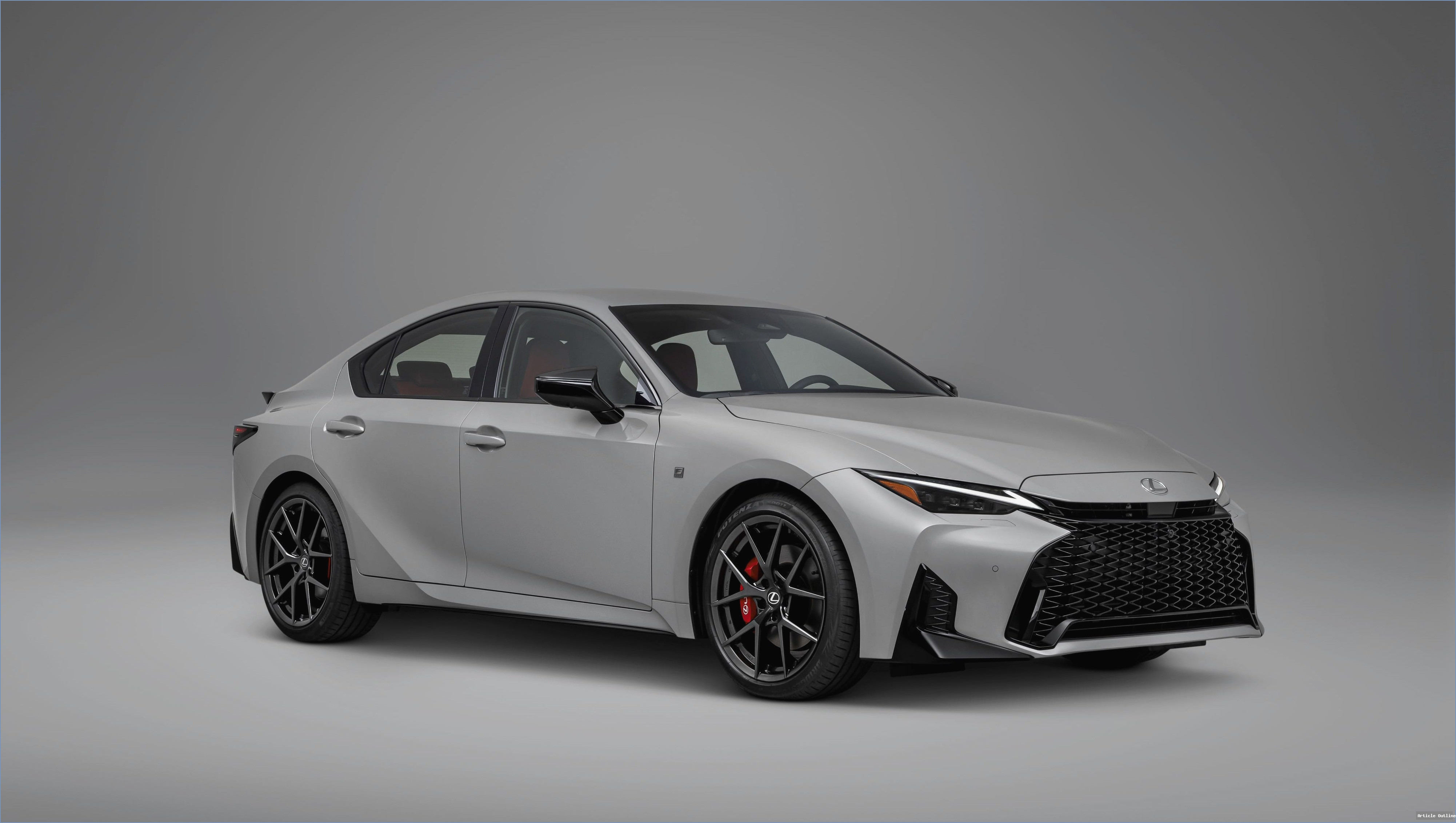
- New look, new price, but same old bones. The IS gets a sharper grille, bigger screens, and cabin tweaks, but mechanically, it’s mostly familiar territory.
- Pricing leaps into near-luxury territory. The base IS350 F Sport Design is $48,090, with AWD adding $2,000 and the F Sport trim starting at $50,540.
Industry Context & Comparisons
- Segment Shrinkage: The compact luxury sedan market is shrinking as SUVs dominate sales. In 2023, sedans accounted for less than 25% of U.S. new vehicle sales, down from over 50% a decade earlier.
- Competitor Moves: BMW, Audi, and Mercedes-Benz continually update their compact sedans with new platforms, electrification, and tech. Lexus’s strategy of repeated facelifts rather than a full redesign stands in stark contrast.
- Electrification Looms: Lexus plans to go all-electric by 2035. The aged IS is likely a placeholder until a true EV successor arrives.
Timeline: The Lexus IS Saga
- 2014: Current-generation IS launches.
- 2020: First major facelift.
- 2023: Second facelift, more tech.
- 2025: IS500 Ultimate Edition signals V-8’s imminent death.
- 2026: Third facelift, IS500 and IS300 dropped; only IS350 survives.
Pros and Cons
- Pros:
- Classic, rear-wheel-drive sports sedan feel
- Reliability and build quality
- Upgraded tech and materials
- Cons:
- No more V-8 excitement
- Steep price increase
- Platform is dated compared to rivals
The Bottom Line
The 2026 Lexus IS is a survivor in a world rapidly moving beyond what it represents. It’s a love letter to those who still care about rear-wheel-drive sedans, but the writing is on the wall: the clock is ticking. The hefty price increase, loss of enthusiast models, and reliance on an old platform make this a swan song, not a new beginning. Still, for loyalists and those seeking a reliable, sporty sedan with a dash of old-school flair, the IS350’s persistence is a small but significant victory.
Sources: