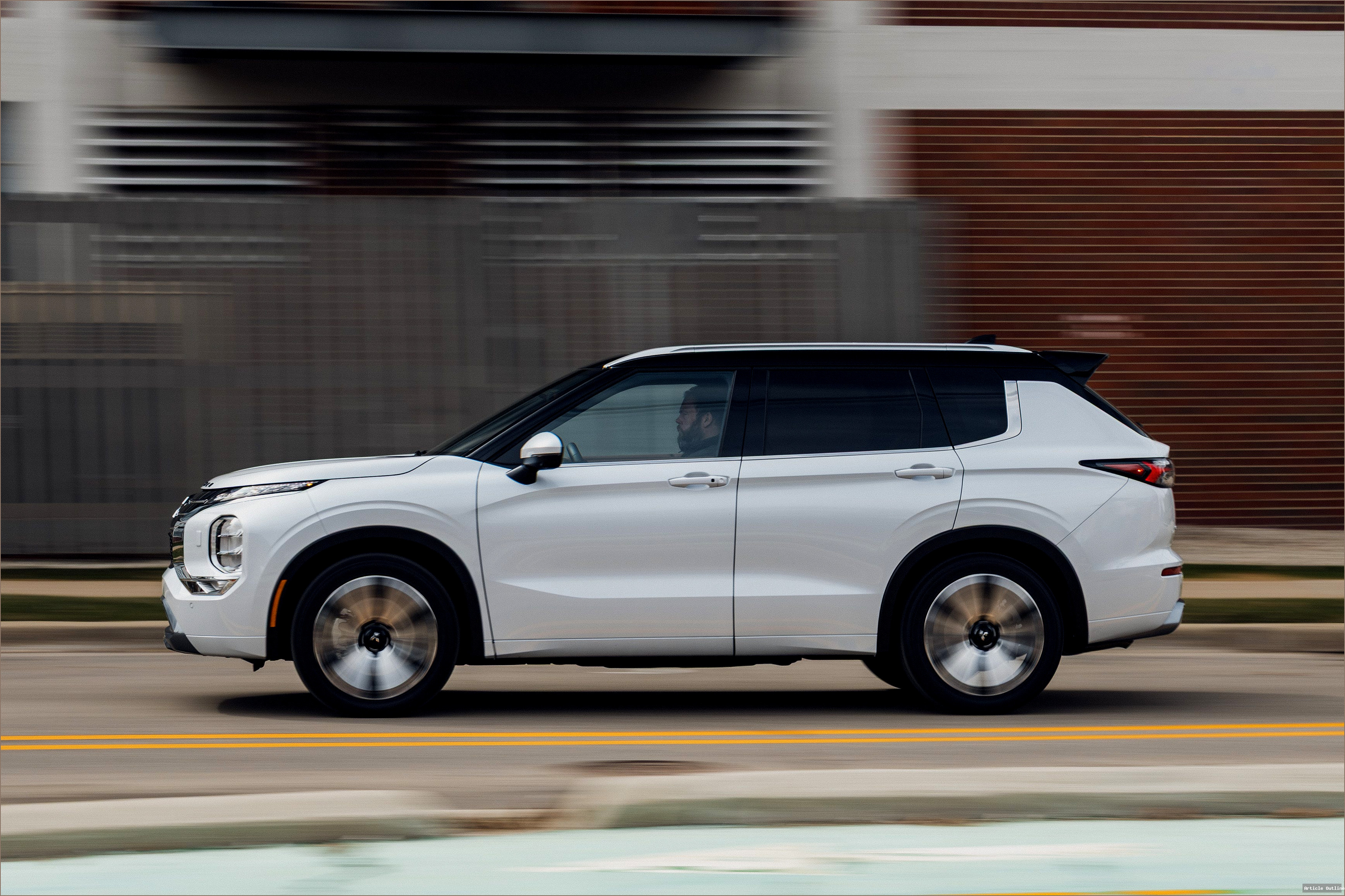
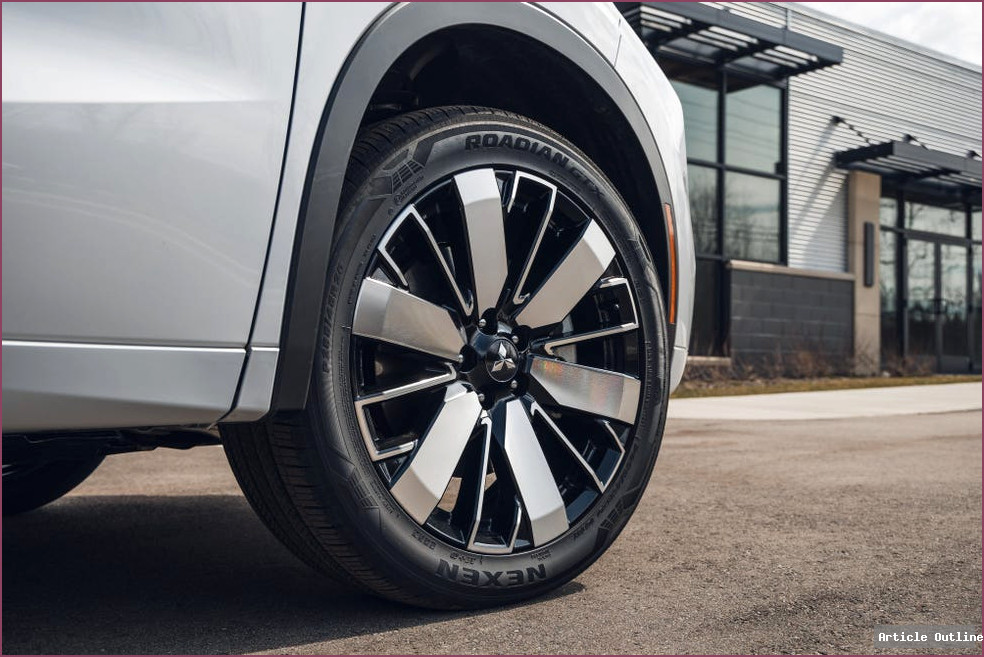
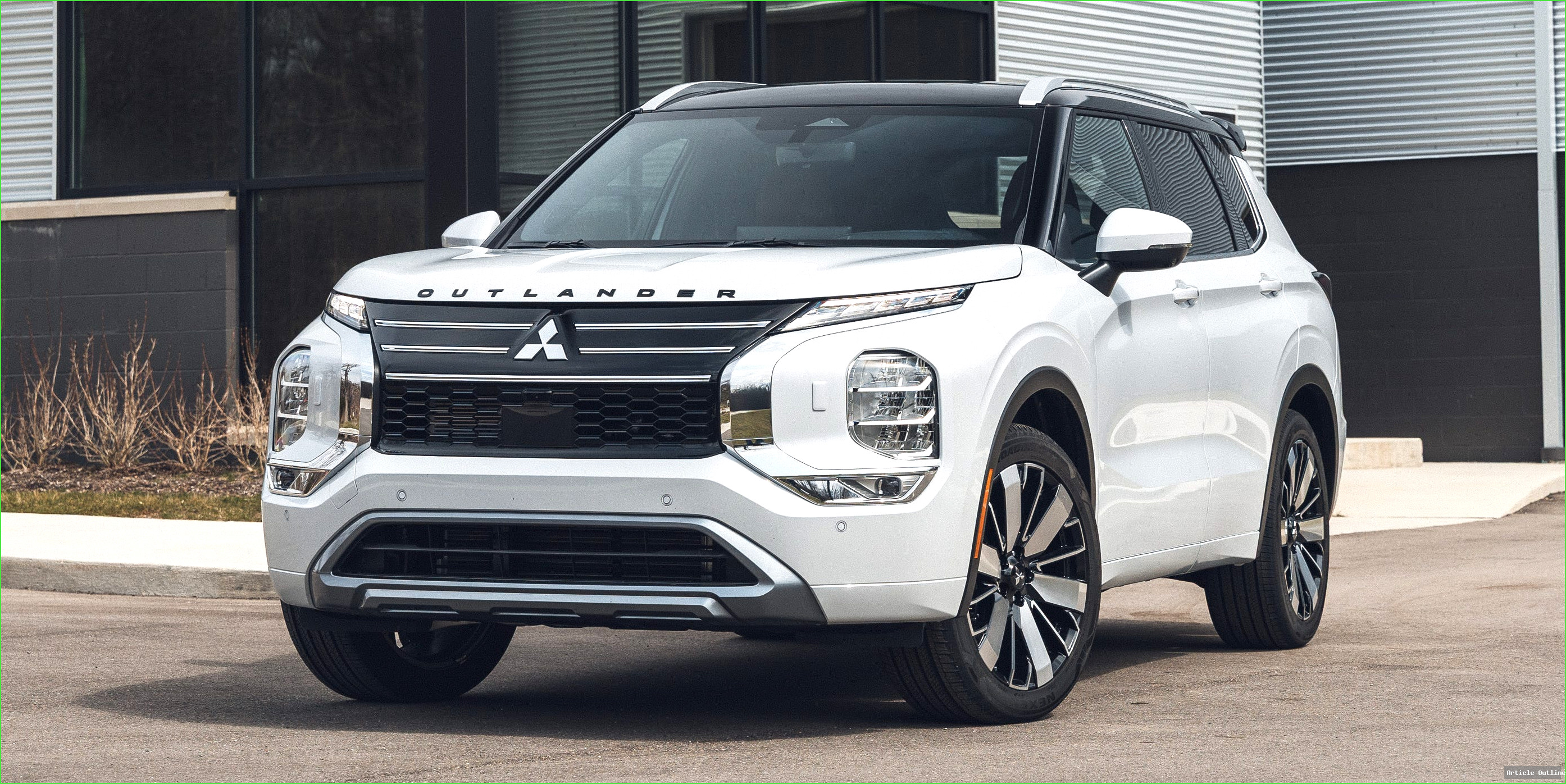
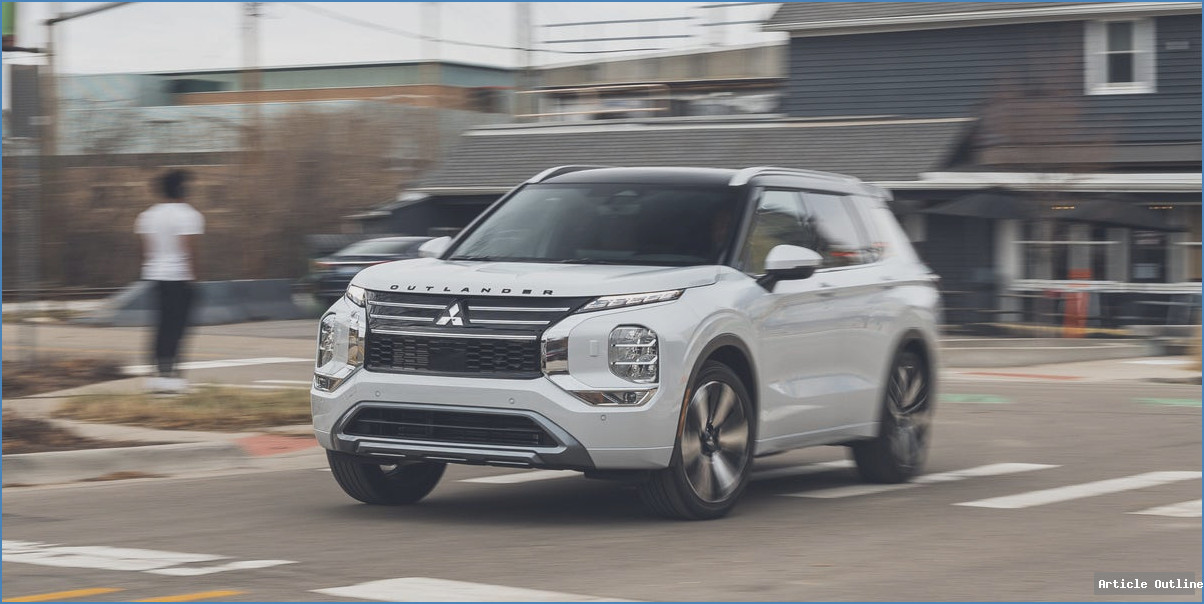
The 2026 Mitsubishi Outlander SEL isn’t just another compact SUV—it’s one of the rare mainstream options that squeezes in a third row. But does this unique selling point truly set it apart, or is it masking deeper compromises? Let’s dive into what the latest Outlander really offers—and why it might not be the obvious family-hauler choice it appears to be.
Why This Matters
- The Outlander is almost alone in offering three rows in a non-luxury compact SUV—most rivals skip this feature entirely. For families on a budget who occasionally need that extra jump seat, this is a rare find.
- Mitsubishi’s strategy reveals a broader industry trend: manufacturers are wrestling with how to differentiate mainstream crossovers in a crowded market, especially as platforms and engines are increasingly shared between brands.
- For buyers, the Outlander’s compromises highlight the importance of understanding what ‘unique’ actually means in terms of real-world usability and value.
Key Takeaways
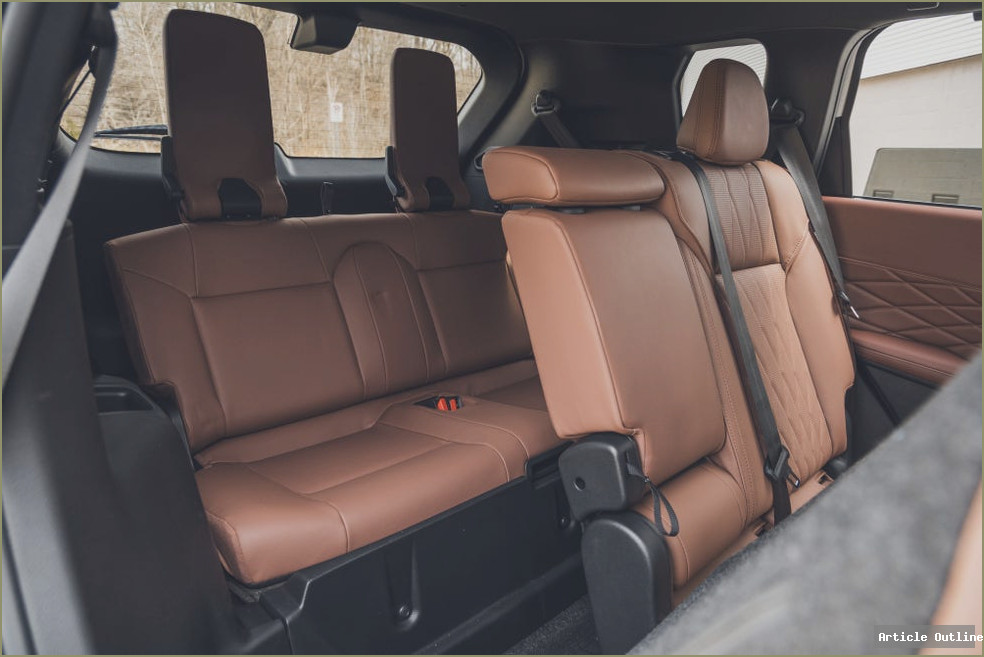
- The third row is more about marketing than comfort. It’s cramped, hard to reach, and only suitable for emergencies or very occasional use—think kids on a short hop, not adults on a road trip.
- New engine, familiar frustrations: The 2026 Outlander swaps the old Nissan engine for Mitsubishi’s own 1.5L turbo-four, but performance lags behind competitors like the Nissan Rogue and even in-house benchmarks.
- Pricing raises eyebrows. The tested SEL AWD model pushes $47,235. That’s flirting with luxury-brand territory—yet the Outlander’s mixed interior quality and middling performance don’t live up to the price.
- Fuel economy disappoints. Despite a supposed 30 MPG highway EPA rating, real-world testing returned just 27 MPG at 75 mph—3 MPG below expectations.
What Most People Miss
- Platform sharing cuts both ways. While the Outlander benefits from Nissan’s tech and interior design, it also inherits some of its sibling’s limitations—and doesn’t always make the best of what’s shared.
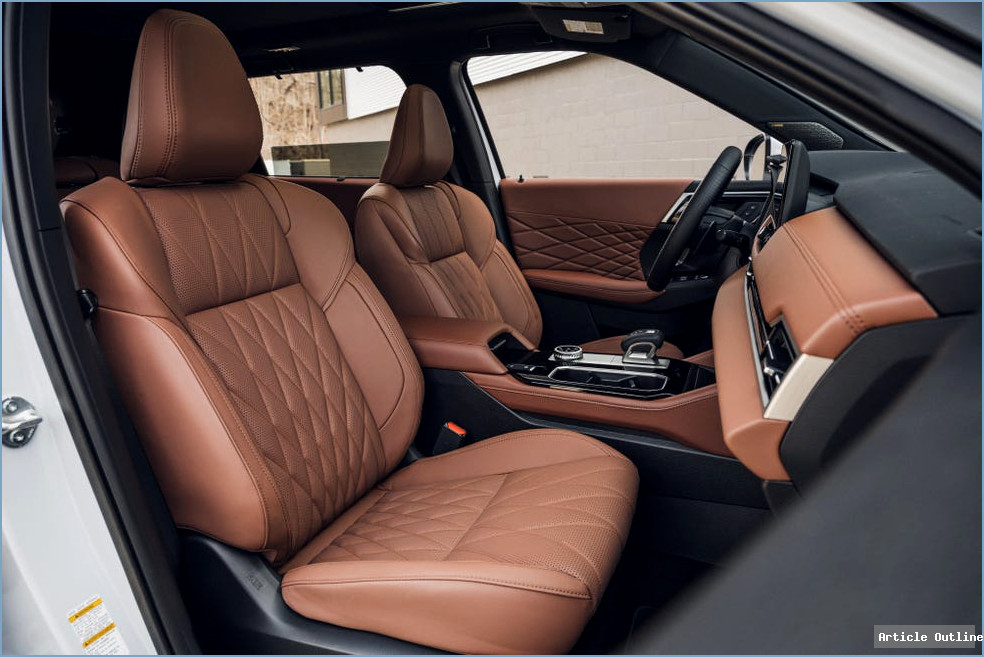
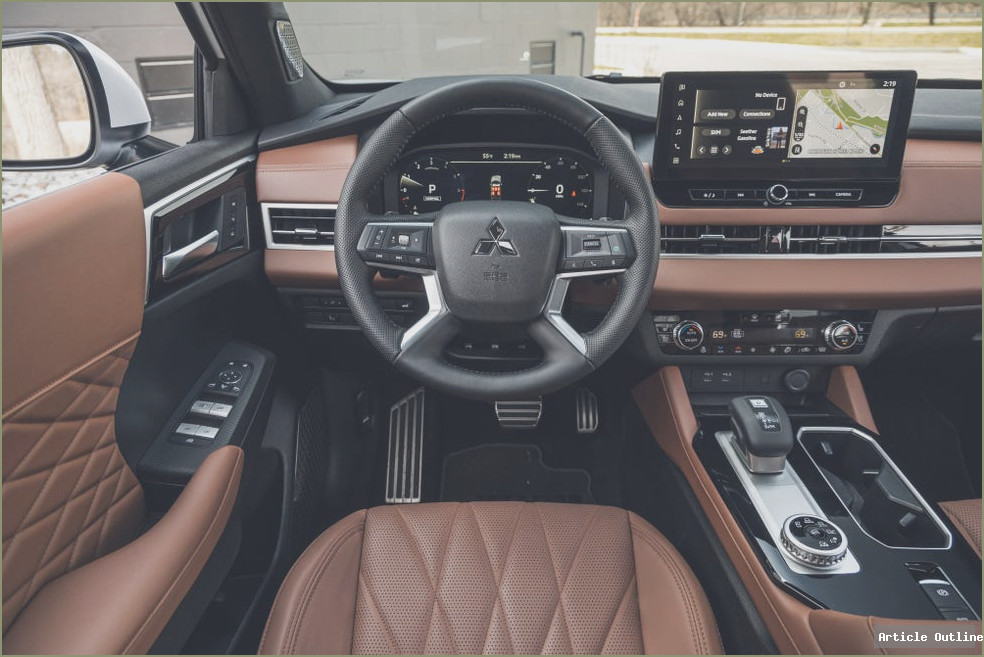
- Interior materials are a mixed bag. Top trims look plush at first glance but juxtapose semi-aniline leather with hard plastics and odd vinyl around touchpoints—an odd move for a $40k+ vehicle.
- Tech is user-friendly but uninspired. The interface closely mirrors Nissan’s, down to the fonts. If you’re seeking a distinct Mitsubishi experience, you might be left wanting.
Industry Context & Comparisons
- Compact SUVs with three rows are nearly extinct in the non-luxury market. The closest alternatives, like the Tesla Model Y (electric, higher price) or Mercedes GLB (luxury, much higher price), force buyers to make different compromises.
- Compared to the Nissan Rogue (which shares its platform), the Outlander is heavier and slower, with less power and worse fuel economy. The Rogue’s three-cylinder offers 201hp and 225 lb-ft, while the Outlander’s four-cylinder manages 174hp and 206 lb-ft—moving 300+ extra pounds.
- SUV shoppers are increasingly prioritizing efficiency, real comfort, and tech, not just seat count. The Outlander’s focus on the third row may feel outdated as families shift to bigger SUVs or crossovers with more usable space.
Pros and Cons
- Pros:
- One of very few compact non-luxury SUVs with three rows
- Comfortable front seats and good sound insulation
- Easy-to-use infotainment and controls
- Cons:
- Cramped, impractical third row
- Middling performance and fuel economy
- Poor value at higher trims
- Clumsy brake feel and awkward stop-start system
- Interior quality mismatch in upper trims
Action Steps for Shoppers
- Ask yourself how often you truly need a third row. If it’s only for emergencies, weigh whether the Outlander’s trade-offs make sense compared to a more efficient, better-performing two-row rival.
- Consider lower trims. The SE ($36,690) still offers a strong feature set without pushing into luxury price territory.
- Test-drive both the Outlander and the Nissan Rogue back-to-back. Pay attention to ride, brake feel, engine response, and interior quality.
The Bottom Line
The 2026 Mitsubishi Outlander SEL tries to carve out a niche with its third-row seat, but that feature alone doesn’t justify its price or the compromises in performance and refinement. For most families, better options exist—unless seating seven is a must and you’re determined to avoid luxury brands or going electric. If that describes you, the Outlander is worth a look—but keep your expectations in check and your wallet handy.

Sources: