The all-new 2026 Nissan Leaf is turning heads, and not just for its sleek exterior. It’s the interior that marks a true leap forward, raising the bar for affordable electric vehicles. But what makes this cabin upgrade more than just a cosmetic refresh? Let’s dig into the details that matter for drivers, the EV market, and Nissan’s future.
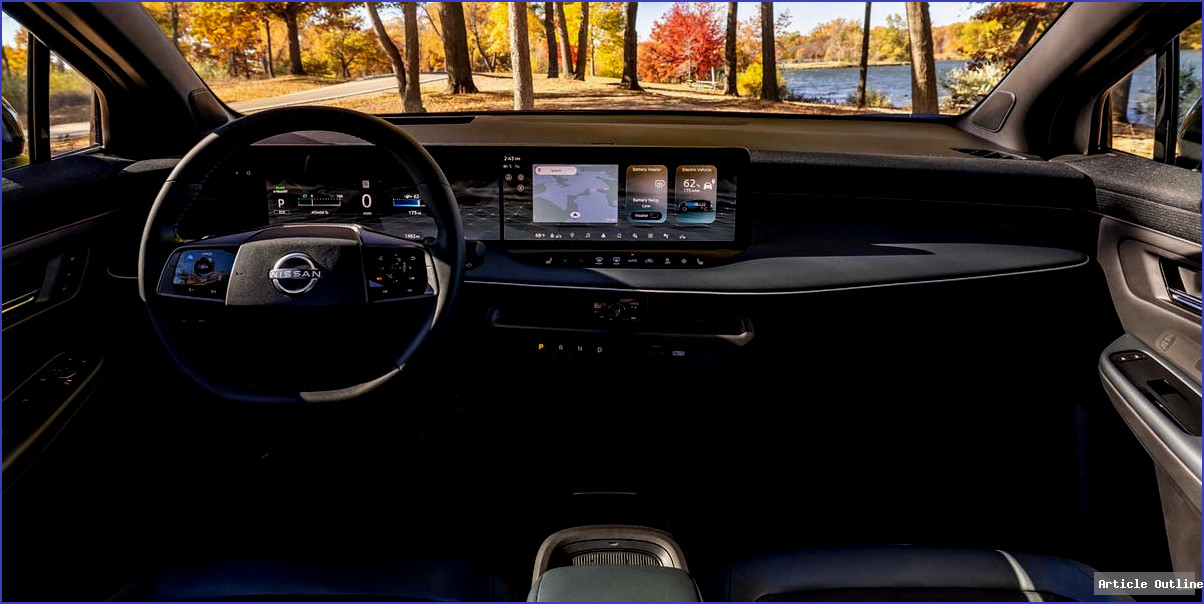
While the original Nissan Leaf helped kickstart mainstream EV adoption, its interior often felt like a compromise between price and progress. The 2026 Leaf, however, signals that Nissan finally understands what modern EV buyers expect: comfort, tech, and thoughtful design—not just a plug and a promise.

Why This Matters
- EV interiors are now a battleground for attracting buyers. Tesla’s minimalism, Hyundai’s cutting-edge tech, and Volkswagen’s playful ID series have all shifted expectations.
- Nissan is finally catching up with rivals like the Hyundai Kona Electric and Kia Niro EV, which have already elevated the affordable-EV interior game.
- The new Leaf’s speakers in the headrests and a tech-forward dash layout hint at Nissan’s intent to make driving electric feel special, not spartan.
What Most People Miss
- Physical buttons aren’t dead: While the Leaf now relies heavily on a central touchscreen, Nissan wisely retains hard buttons for crucial functions. This is a direct response to widespread driver frustration with all-touch controls (looking at you, Volkswagen ID.4!).
- Family resemblance matters: The 2026 Leaf borrows interior cues from the Murano and Ariya, creating a consistent Nissan identity across its EV and hybrid lineup.
- Little luxuries—like those headrest speakers—can turn a basic commuter into a tech-forward sanctuary. Details like this are what get noticed on test drives and in owner reviews.
Key Takeaways
- A leap in perceived quality: The new cabin materials and layout shed the old “budget car” feel.
- User-friendly controls: The blend of touchscreen and tactile buttons is a practical win.
- Competitive edge: Nissan is bridging the gap with rivals and may once again become the go-to name for affordable EVs.
Pros and Cons Analysis
- Pros:
- Modern, cohesive design ties the Leaf to Nissan’s flagship EVs
- Practical tech upgrades (headrest speakers, central touchscreen)
- Still includes physical buttons for key functions
- Cons:
- Some may find the infotainment screen size underwhelming compared to competitors
- Unknowns about material quality until real-world reviews land
- Potential for feature creep to raise the price above entry-level expectations
Industry Context & Stats
- Global EV sales are expected to reach 17 million units in 2024 (IEA), but competition is fiercer than ever.
- Interior experience is often cited as a top-3 decision factor for EV buyers, alongside range and charging speed.
- With the Leaf’s makeover, Nissan plugs one of its biggest image gaps—helping it stand out in a crowded $30k-$40k EV segment.
The Bottom Line
The 2026 Nissan Leaf’s interior isn’t just a nice-to-have—it’s a must-have for Nissan to stay relevant in a rapidly evolving market. By blending comfort, tech, and familiarity, Nissan is making its most affordable EV truly desirable again. The question now: will this new cabin—and its clever details—be enough to reclaim a leadership position as the EV market explodes? Watch this space.