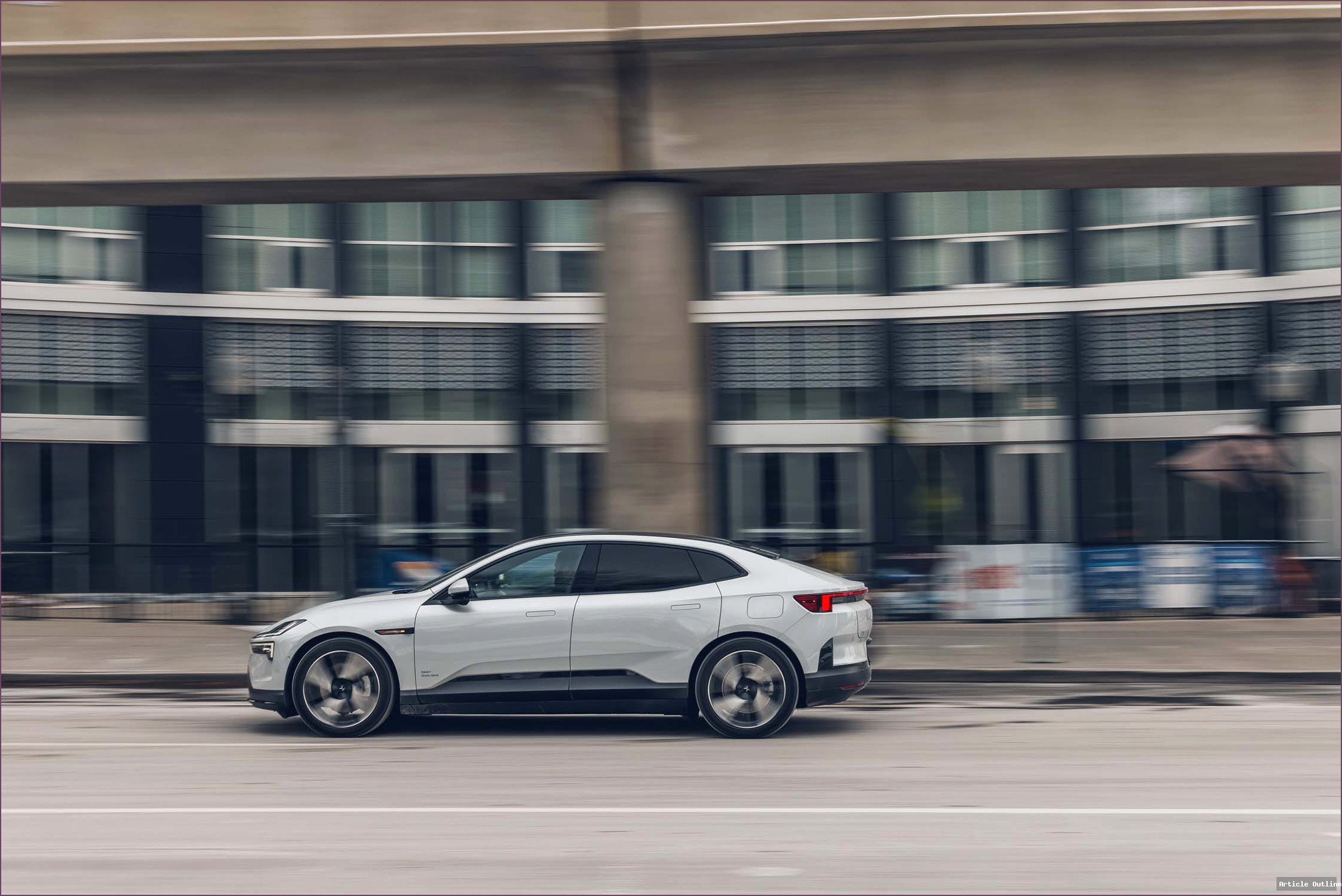
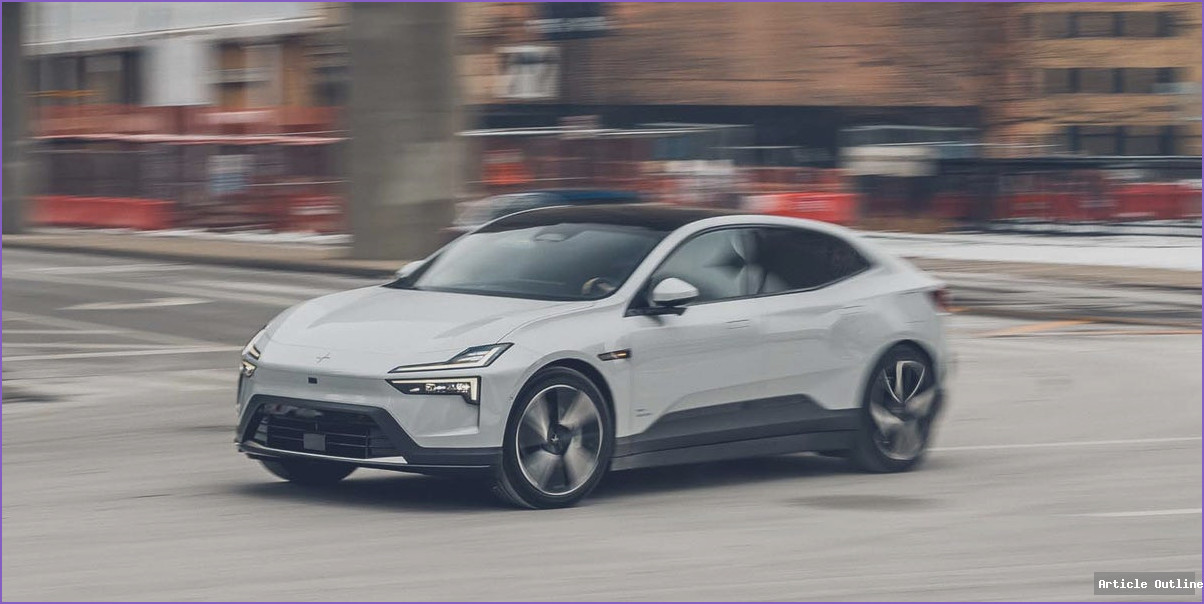
The 2026 Polestar 4 Long Range Dual Motor isn’t just another electric SUV vying for attention. This is a bold, design-driven statement piece that pushes boundaries—sometimes literally, as it ditches the rear window in favor of a camera. Yes, you read that right: No rear glass. Let’s break down why this car matters more than you might think.
Why This Matters
- Design Revolution: Polestar is betting big on futuristic minimalism. The absence of a rear window isn’t just a quirky flourish—it’s a sign that the brand is unafraid to challenge automotive norms. In an era where most EVs look like softened versions of their gas-powered counterparts, the Polestar 4 is a design rebel.
- Performance Credentials: With 536 horsepower and 506 lb-ft of torque from dual motors, this crossover is no slouch. It rockets from 0-60 mph in just 3.2 seconds, blitzing the quarter-mile in 11.6 seconds at 119 mph. That’s sports car territory, folks.
- Practical Range: Its 94-kWh battery delivers an EPA-estimated range of 280 miles, putting it in the thick of the premium EV pack, alongside heavy hitters like the Tesla Model Y Performance and the Audi Q8 e-tron.
What Most People Miss
- The No-Window Gamble: The missing rear glass isn’t just a gimmick. It’s a real trade-off. In good weather, the camera-based system works fine. But in rain, snow, or fog? Early testers report the view can get compromised, and no amount of tech can fully beat a simple pane of glass. This is a calculated risk—will buyers accept it?
- Silent Speed: The Polestar 4 is not just quick, it’s eerily quiet. This serenity, combined with its lightning acceleration, could make it a new benchmark for refined, rapid EVs in the segment.
- Brand Evolution: Polestar’s rapid evolution (recall, their first car launched in 2020) has gone from Volvo’s electric sub-brand to a design-obsessed disruptor in just a few years.
Key Takeaways
- Innovative, polarizing design that challenges what an EV crossover can be.
- Sports car acceleration in a family-friendly package.
- Range and charging competitive with industry leaders.
- Tech-forward approach—but with real-world usability trade-offs (the rear camera issue is no small thing).
Expert Commentary & Industry Context
The Polestar 4’s performance puts it neck-and-neck with the Tesla Model Y Performance, but the Swedish brand brings a European design sensibility that feels more couture than Silicon Valley. The risk of ditching the rear window evokes memories of past automotive gambles (think BMW’s i3 suicide doors or Tesla’s yoke steering wheel). Sometimes these risks pay off, sometimes not.
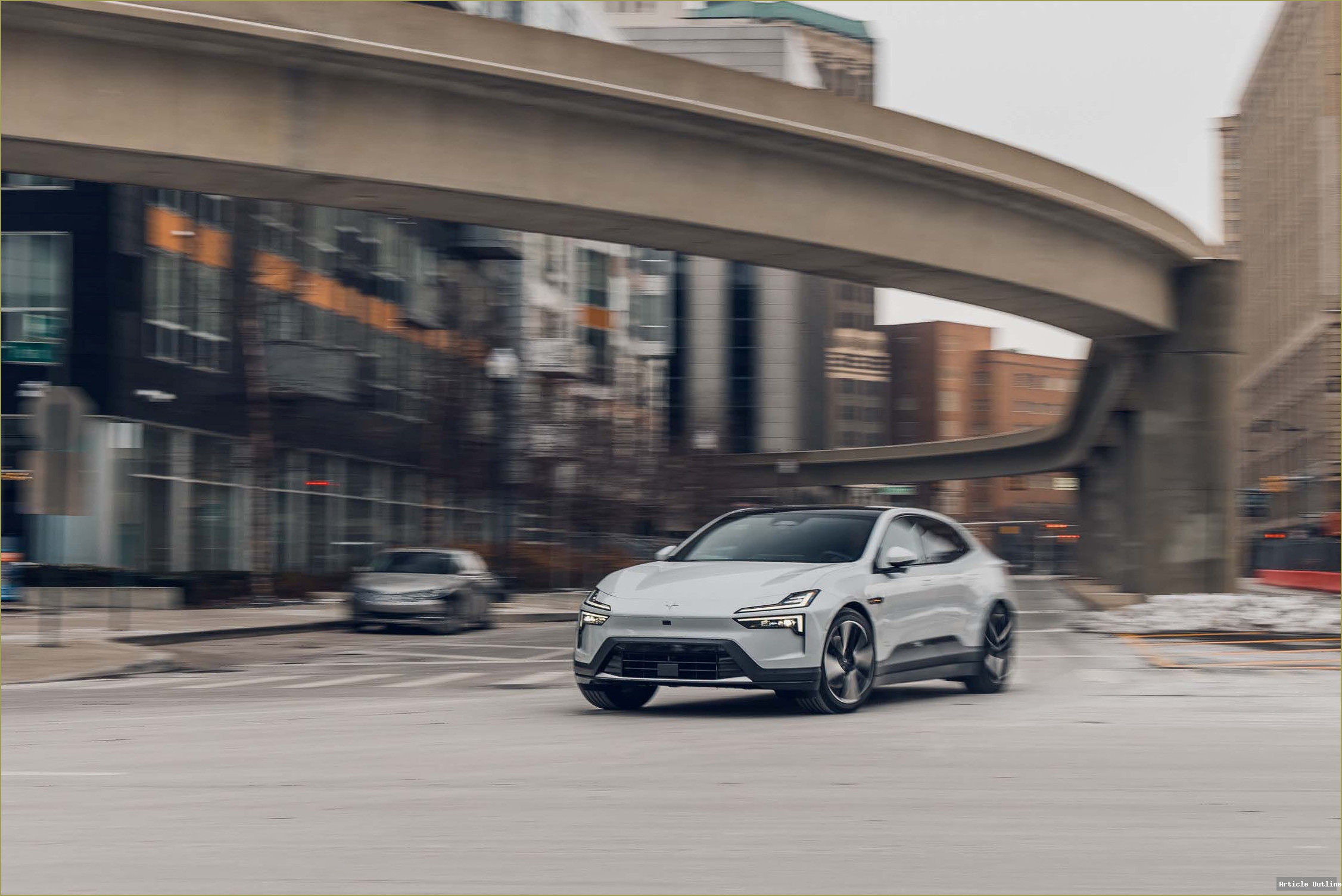
“The future can be a little weird sometimes, and the Polestar 4 is a good reminder of that.” — Car and Driver
In the broader EV market, design is becoming as important as range or speed. As buyers look for vehicles that stand out, Polestar’s boldness could be its greatest asset—or its Achilles heel. Only time (and sales numbers) will tell.
Pros and Cons Analysis
- Pros: Striking looks, thrilling acceleration, competitive range, quiet and refined ride.
- Cons: Rear camera visibility in bad weather, unproven long-term reliability, possibly polarizing design.
The Bottom Line
The 2026 Polestar 4 Long Range Dual Motor isn’t for the timid. It’s for drivers who want to make a statement, embrace the future, and don’t mind a few trade-offs for the sake of innovation. With its combination of avant-garde design and supercar-like performance, it’s a signpost for where EV crossovers are headed—if we’re bold enough to follow.