When Porsche updates the 911 Turbo S, the world takes notice—not just for the raw speed, but for the way the German marque evolves its iconic interior. The 2026 Porsche 911 Turbo S is no exception, and if you think this is just another minor refresh, you’re missing the bigger picture. Let’s dive into what makes this latest iteration’s cockpit a true masterclass in blending tradition with innovation.
Why This Matters
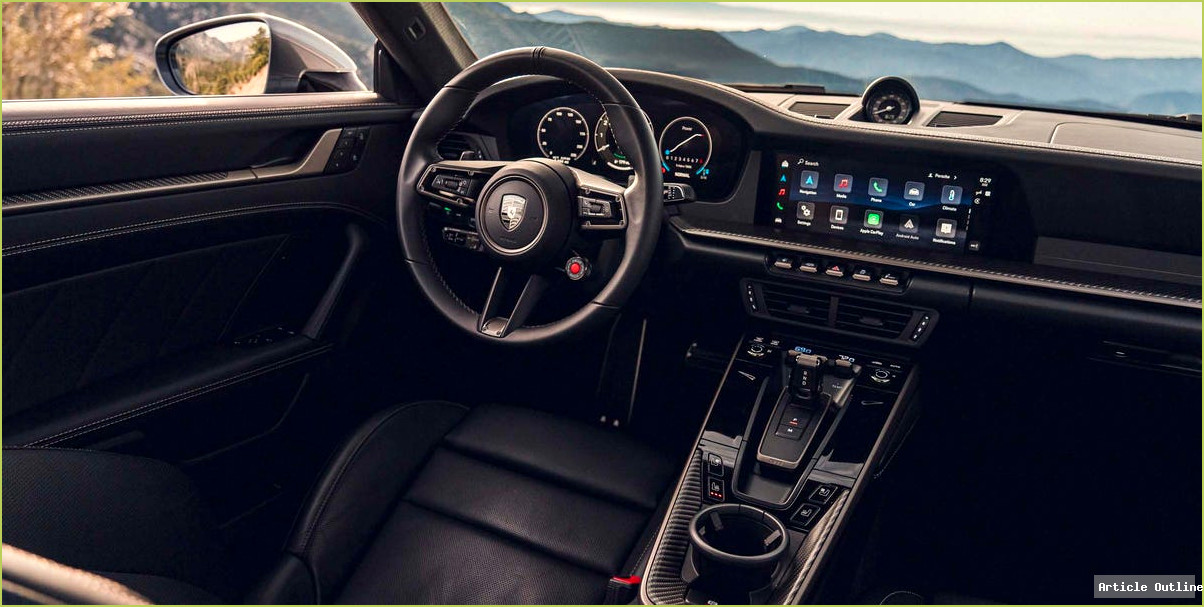
Porsche’s interior redesign isn’t just about aesthetics—it’s a calculated evolution that signals where the brand is headed in an era of electrification and digital transformation. The 911 Turbo S sits at the crossroads between analog driving purity and tech-driven convenience. The new digital tachometer, for example, marks a significant shift for a model that’s always placed the driver at the heart of the experience. This digital shift is about more than just looks; it’s about future-proofing an icon without alienating its purist fanbase.
What Most People Miss
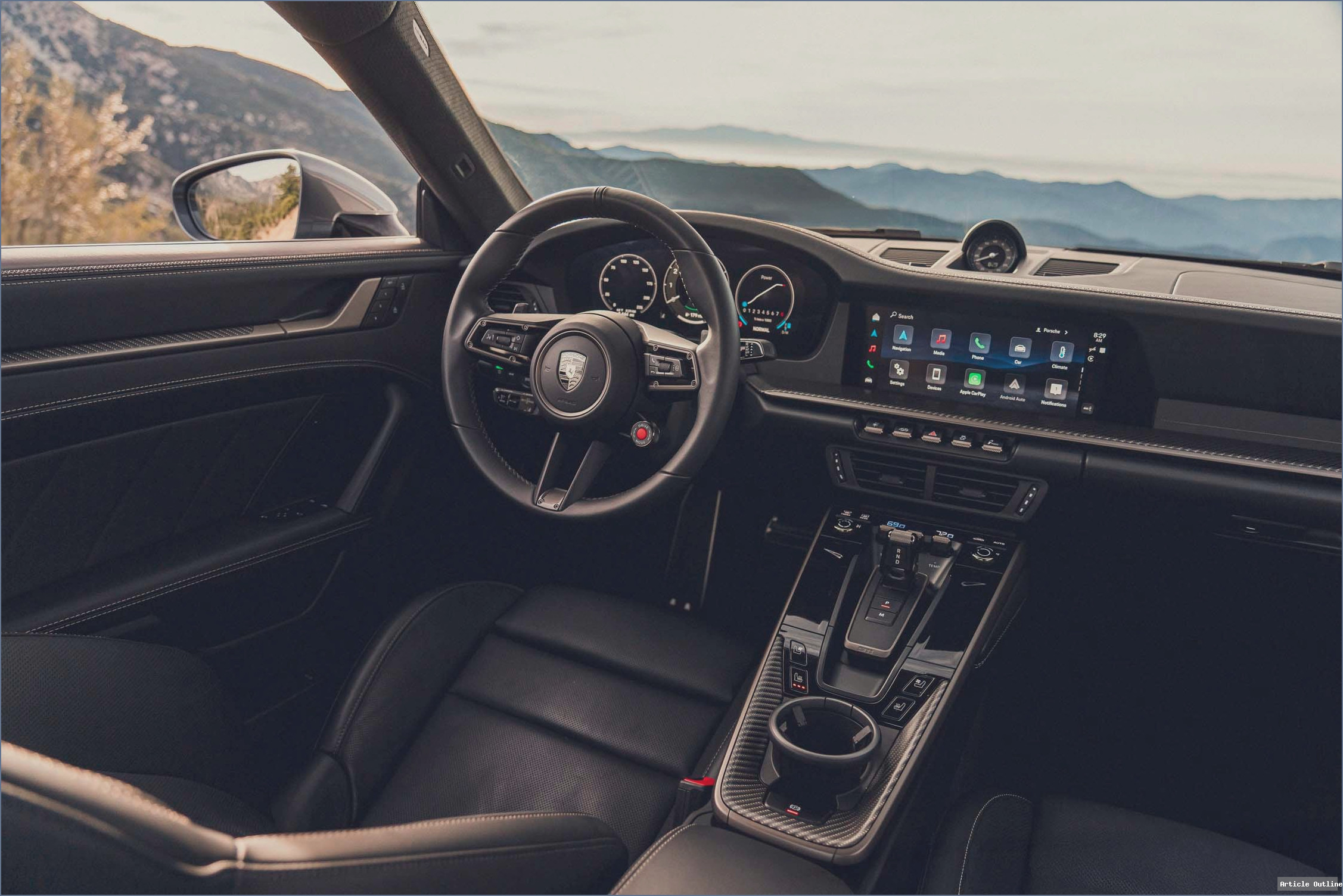
- Digital, Yet Analog at Heart: Purists may lament the move to a digital central tach, but Porsche has carefully retained the classic five-dial dashboard layout, blending the familiar with the functional. This is a subtle nod to the brand’s heritage that most casual observers might overlook.
- Seating as a Statement: The Adaptive Sport Seats Plus are now standard—meaning comfort and support aren’t optional extras. This is Porsche’s response to the growing demand for daily-drivable supercars, not just track monsters.
- Material Science: Every visible surface and tactile control has been scrutinized. Expect new materials, micro-precision stitching, and a more immersive ambient lighting system, continuing Porsche’s tradition of obsessive detail.
Key Takeaways
- Digital evolution is inevitable—even for icons like the 911. The move to a digital tach hints at a broader digital transformation across the Porsche lineup.
- Standard features are stepping up. With high-end seating and materials now included, Porsche is raising the baseline for luxury sports cars.
- Driver-centric design remains core. Despite the new tech, the interior layout still prioritizes the driver above all else.
Extra Context
- Industry Trend: Digital dashboards are becoming the norm—even in performance icons. Ferrari, Lamborghini, and Aston Martin have all moved in this direction, but Porsche’s execution is notably more restrained and driver-focused.
- Market Comparison: The Turbo S’s interior now rivals the Mercedes-AMG GT and Audi R8 for both luxury and usability, while maintaining the unique Porsche feel. In a recent J.D. Power survey, interior quality and tech integration are now top priorities for luxury sports car buyers.
- Practical Impact: By making high-end features standard, Porsche reduces option fatigue—a common complaint among buyers who want all the best bits without navigating a confusing options list.
Pros and Cons Analysis
- Pros:
- Modern digital display with classic design cues
- Standard Adaptive Sport Seats Plus for superior support
- Improved material quality and tactile controls
- Cons:
- Some purists may miss purely analog dials
- Tech upgrades might add complexity for those who value simplicity
Timeline: Porsche 911 Interior Evolution
- 1960s-80s: Classic five-dial analog dashboard, minimal electronics
- 1990s-2000s: Introduction of digital trip computers and improved ergonomics
- 2010s: Larger infotainment screens, higher-quality materials
- 2026 Turbo S: Digital tach, standard luxury features, next-gen materials
The Bottom Line
The 2026 Porsche 911 Turbo S interior is more than a facelift—it’s a statement about the brand’s future. Porsche’s meticulous approach ensures that the 911 remains the benchmark for performance and luxury, even as it embraces the digital age. The result? An interior that’s both a love letter to tradition and a bold step forward. As the automotive world races toward electrification and ever-more tech, Porsche is proving you don’t have to sacrifice soul for screens.