The 2027 Audi RS5 isn’t just another high-powered German hatchback—it’s a bold statement about where performance and electrification are headed. While many see plug-in hybrids as a compromise, Audi’s new RS5 proves electrification can raise the stakes for power, agility, and daily usability.
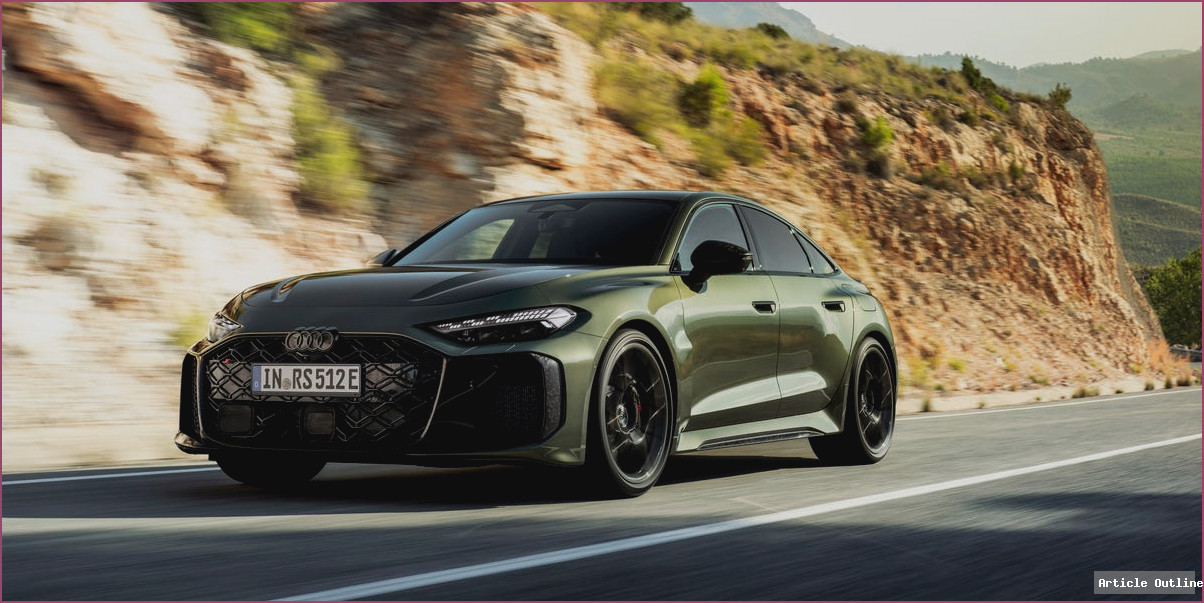
Let’s dive into why this menacing new RS5 matters, what most people overlook, and what it says about the future of both Audi and the wider performance car world.

Why This Matters
- Audi’s RS5 is now a plug-in hybrid with a jaw-dropping 630 horsepower, upending the idea that electrification dampens excitement.
- This marks the RS5’s third generation and a sharp turn toward high-performance hybridization—something rivals like BMW and Mercedes are watching closely.
- Audi is using the RS5 as a testbed for tech that could become mainstream, including advanced torque vectoring and customizable digital cockpits.
What Most People Miss
- The RS5’s 22-kWh battery isn’t just for a green badge—it offers a real-world 44-mile electric-only range. You could do your daily commute emissions-free, then unleash all 630 horses on the weekend.
- Dynamic Torque Control, with its own electric motor on the rear axle, is a game-changer for handling. This isn’t just about straight-line power—it’s about agility and precision.
- The interior tech leap is huge: three screens (including a 14.5-inch center display and a 10.9-inch passenger screen) and massaging, illuminated seats bring supercar flair to a practical hatchback.
- Audi’s abandonment of the coupe/convertible format and the ‘Sportback’ name signals a new era—one where practicality and performance march in lockstep.
Key Takeaways
- Powertrain: Twin-turbo 2.9L V6 (503 hp) + 174-hp electric motor = 630 hp, 608 lb-ft torque. That’s a leap from the prior RS5’s 444 hp/443 lb-ft.
- Performance: Audi claims 0-62 mph in 3.6 seconds (expect quicker in real-world testing). Top speed up to 177 mph with the right package.
- Chassis: 10% stiffer than the base A5, with advanced suspension and brake options (including carbon-ceramics at the rear for the first time).
- Design: Over 3 inches wider than the standard A5, ducktail spoiler, huge exhausts, and OLED taillights with RS-specific light shows.
- Price: Launches in Europe at ~$125,000—U.S. pricing to be announced.
Industry Context & Comparison
- Audi’s move mirrors what we’re seeing from BMW (M5 plug-in hybrid) and Mercedes-AMG (E Performance hybrids), but the RS5 stands out for balancing everyday EV range, track-ready hardware, and a truly distinctive design.
- While rivals offer hybridization, few combine this level of electric-only range with outright performance. Porsche’s Panamera Turbo S E-Hybrid is a close match—but at a much steeper price.
- RS5’s approach to digitalization (multiple touchscreens, customizable lighting) shows Audi doubling down on tech as much as speed.
Pros & Cons Analysis
- Pros:
- Unmatched blend of power and efficiency
- Practical EV-only range for daily use
- Advanced handling tech for real driver engagement
- Ultra-modern interior and customization
- Cons:
- High price point—well into six figures
- No coupe/convertible option for purists
- Avant (wagon) variant likely not coming to the U.S.
Timeline: The Evolution of RS5
- 2010: First-gen RS5 launches—naturally aspirated V8, classic coupe.
- 2017: Second-gen RS5—downsized to twin-turbo V6, more tech.
- 2027: Third-gen RS5—plug-in hybrid power, digital everything, hatchback-only.
The Bottom Line
The 2027 RS5 is much more than a performance upgrade—it’s the clearest sign yet that high-horsepower, electrified Audis are the new normal. For enthusiasts, that’s equal parts thrilling and a little bittersweet; the manual gearbox and V8 soundtrack are gone, but in their place is a car that’s faster, smarter, and (dare we say) more versatile than ever before. If this is the future of fast Audis, sign us up.