BMW just dropped a shadowy teaser for the upcoming 2027 7-Series sedan, and while the image itself is cryptic, the implications for the luxury segment are anything but. As the G70 generation receives its mid-cycle refresh, let’s dig into what this means for BMW, its rivals, and the evolving landscape of executive sedans.
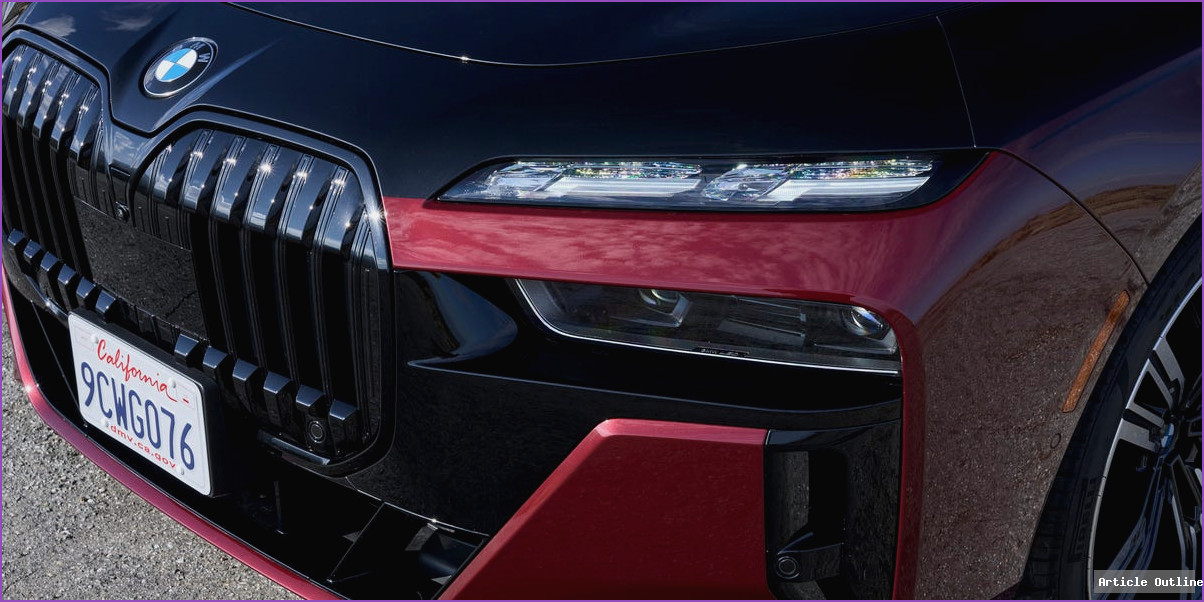
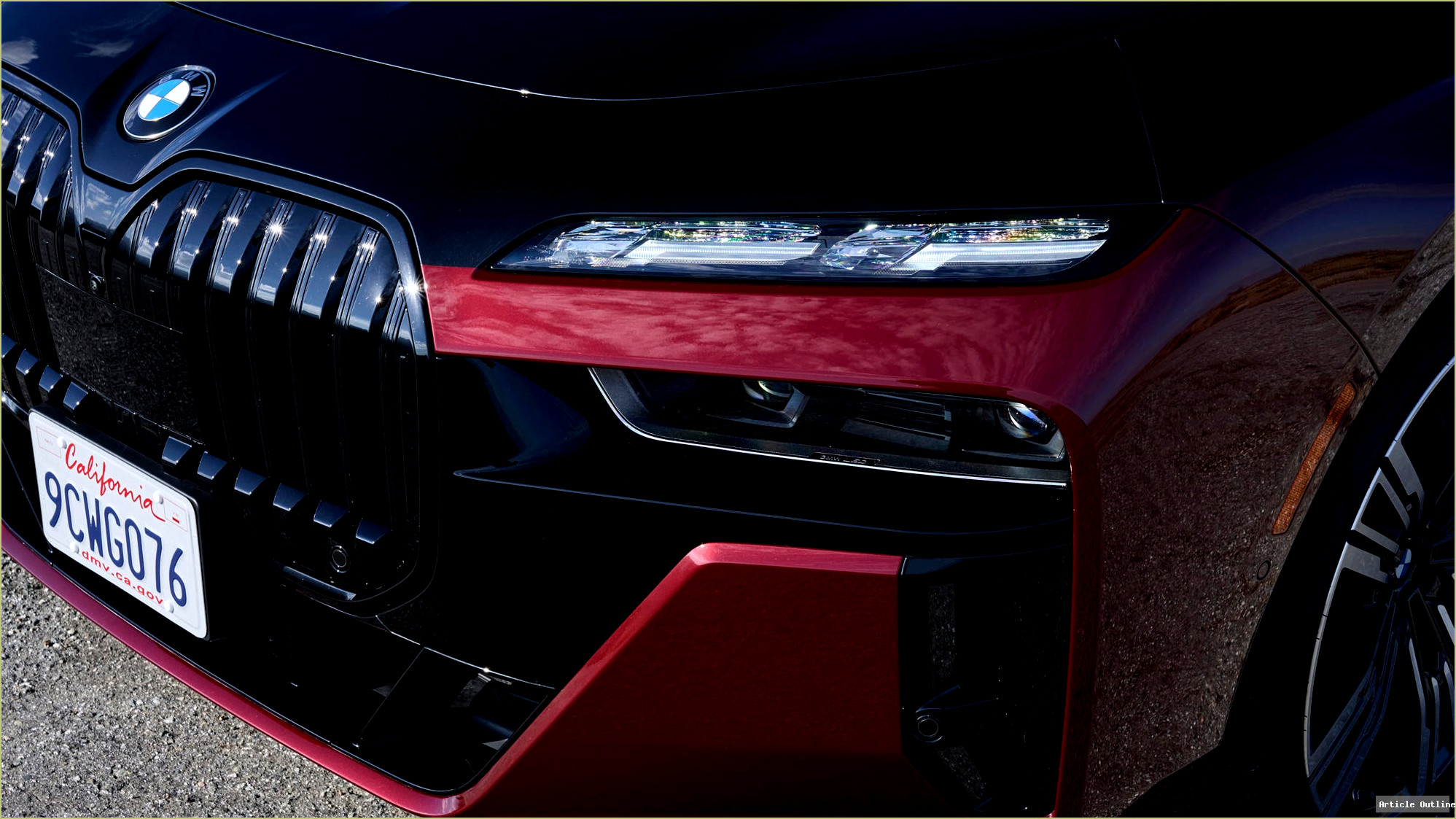
Beneath the moody lighting, we catch a glimpse of the illuminated kidney grille and sleeker split headlights—a hint that BMW isn’t shying away from bold design. But the real story goes far beyond a new face.
Why This Matters
- BMW’s flagship sets the tone for the entire brand and often the luxury segment at large. When the 7-Series evolves, so does the definition of luxury and technology for the next half-decade.
- The mid-cycle refresh is a strategic move to keep the 7-Series competitive against the Mercedes-Benz S-Class, Audi A8, and the surging electric newcomers like Lucid Air.
- Tech arms race: Expected upgrades like the Panoramic iDrive and 3-D head-up display aren’t just novelties—they’re part of a broader push to make the car feel like a rolling smart device, crucial as buyers increasingly demand a digital-first experience.
What Most People Miss
- This isn’t a ground-up redesign, but a calculated facelift. BMW is betting that design tweaks and tech upgrades are enough to sway buyers in a market where large sedans are under fire from SUVs and electrification trends.
- The illuminated grille isn’t just a gimmick; it signals a new era of ‘nighttime identity.’ In a world where cars are often recognized by their light signature, expect this to become a defining brand marker.
- BMW’s panache for keeping the signature split headlights is a subtle dig at critics who decried the previous design. They’re doubling down on a look that stands out—for better or worse.
Key Takeaways
- Design evolution: Expect a sharper, more futuristic front end but familiar overall proportions. BMW is refining, not reinventing.
- Tech leap: The Panoramic iDrive system could leapfrog rivals if executed well. The segment is quickly moving towards digital dashboards and immersive displays.
- Luxury, redefined: Features like the illuminated grille and enhanced head-up display aren’t just for show—they’re part of a broader trend towards experiential luxury.
Industry Context and Comparison
- Mercedes S-Class (W223): Launched with a massive MBUX Hyperscreen and rear-axle steering—BMW’s refresh needs to match this wow factor.
- EV Threats: Lucid and Tesla have redefined what luxury means, focusing on range, tech, and minimalist interiors. The 7-Series refresh must show that traditional luxury can still innovate.
- Sales Trends: According to JATO Dynamics, large luxury sedan sales have slipped 20% in Europe since 2020, but buyers willing to spend $100k+ still demand the latest and greatest.
Timeline of Events
- 2023: G70 7-Series generation launches, setting a bold new direction.
- 2024: Teaser hints at the mid-cycle refresh, focusing on design and tech advancements.
- 2025-2026: Expected full reveal and market launch, with production likely starting in late 2026 for the 2027 model year.
Pros and Cons of BMW’s Approach
- Pros:
- Stays fresh without alienating loyal buyers
- Builds on the success of the G70 platform
- Tech upgrades keep BMW in the premium conversation
- Cons:
- Facelifts risk being seen as cosmetic rather than meaningful
- May not do enough to counter the pull of all-electric rivals
The Bottom Line
The 2027 BMW 7-Series refresh isn’t just about sharper looks—it’s a signal that BMW is doubling down on high-tech, high-impact luxury in a segment that’s under pressure. The illuminated grille, panoramic tech, and unmistakable design push the brand forward, but the real question is whether these updates will be enough to hold off German, American, and electric rivals. Either way, this is the sedan to watch in the coming year.