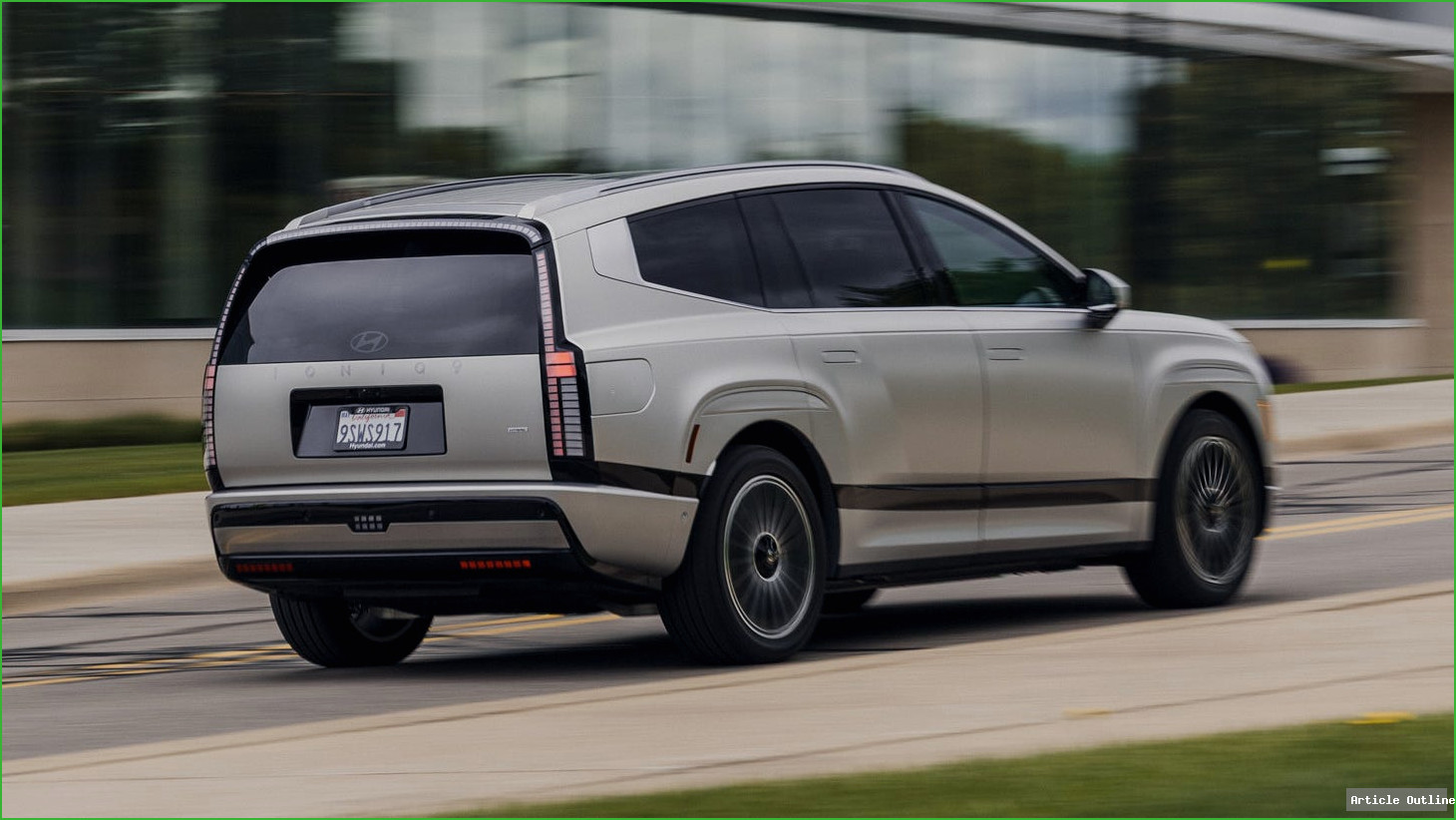
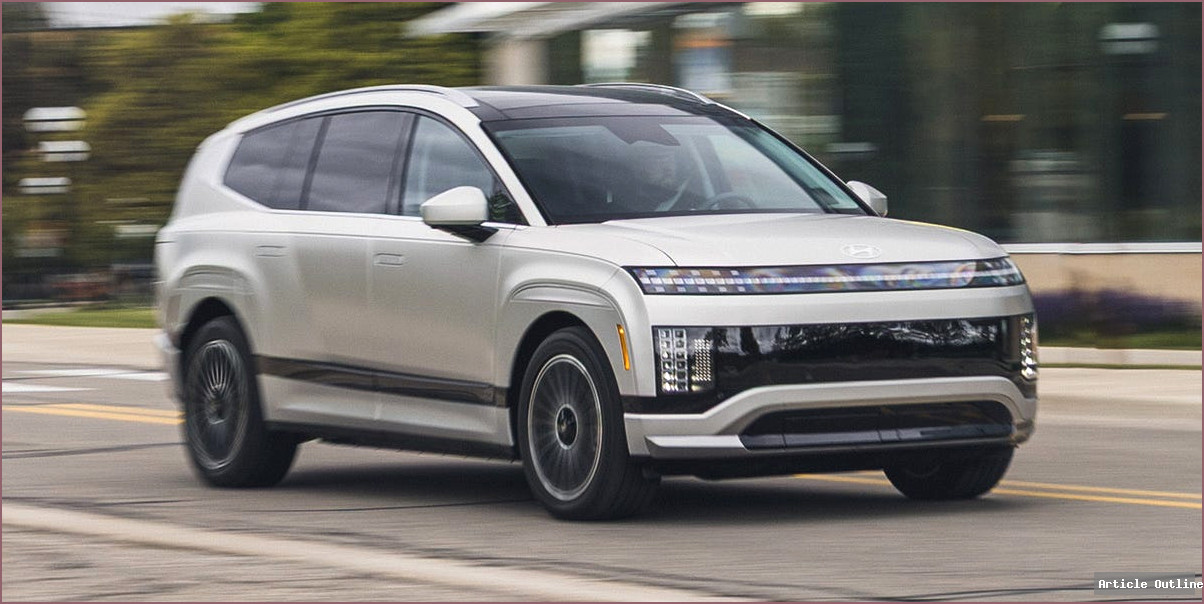
The 2027 Hyundai Ioniq 9 is more than just another electric SUV – it’s a bold statement about where family vehicles are headed. While other reviews focus on the spec sheet, let’s dig deeper: Why is the Ioniq 9 such a pivotal launch for Hyundai, and what hidden details could reshape what you expect from your next three-row EV?
Why This Matters
- The Ioniq 9 is a litmus test for mainstream EV adoption among families. With a range up to 335 miles and rapid charging, it tackles two of the biggest EV hurdles: anxiety and downtime.
- It brings style and substance to a segment often accused of blandness. The retro-futuristic design, illuminated accents, and sustainable interior materials prove that eco-friendly doesn’t mean boring.
- Hyundai is challenging both legacy automakers and upstarts like Kia, Rivian, and Tesla. The Ioniq 9’s blend of practicality, tech, and value could force the entire segment to rethink what a family EV should deliver.
What Most People Miss
- Charging isn’t just about speed – it’s about flexibility. With 24-minute 10–80% charging on 350kW DC fast chargers and support for V3 Superchargers, the Ioniq 9 positions itself ahead of many competitors in real-world usability. This matters deeply for road trips and busy family schedules.
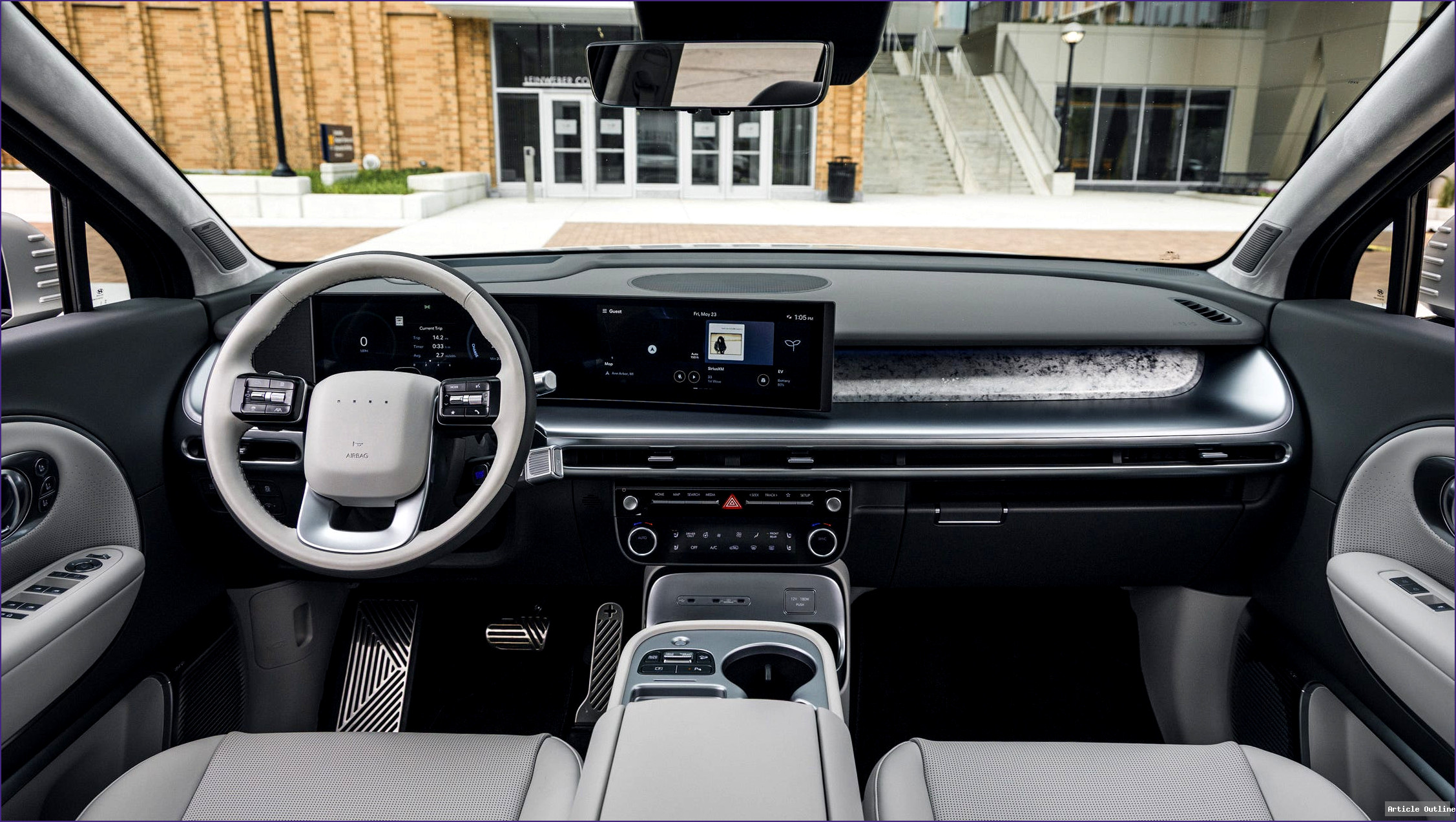
- The interior’s sustainability story is more than a marketing pitch. Hyundai uses recycled plastics, wool, faux leather, and suede – not just for green points, but to create a unique feel that stands out from the sea of generic interiors.
- Cargo flexibility rivals (or beats) many gas SUVs. Even with all three rows up, you get 22 cubic feet of cargo space (enough for six carry-ons), and 46 cubic feet with the third row folded. The flat floor and sliding second row make access and loading genuinely family-friendly.
- Real-world performance is shockingly close to sportier EVs. The Ioniq 9 Performance AWD hits 60 mph in 4.4 seconds, outpacing the Honda Prologue AWD and matching the Kia EV9. That’s quick for a 6,000+ lb family hauler!
Key Takeaways
- Range & Charging: 311–335 miles EPA, with ultra-fast DC charging (24 mins 10–80%).
- Performance: Up to 422 hp, 0–60 mph in 4.4 seconds (Performance AWD), and AWD models can tow up to 5,000 lbs.
- Efficiency: Up to 103 MPGe city (RWD) – beating rivals like the Kia EV9 by a slim but notable margin.
- Interior Innovation: Relaxation seats with massage, sliding console, sustainable materials, and a flat-floor third row accessible for adults and children alike.
- Tech & Safety: 12.3-inch touchscreen, wireless CarPlay/Android Auto, advanced driver assists, and seven USB-C ports (finally, enough for the whole crew!).
Comparison Snapshot: Ioniq 9 vs. Key Rivals
- Kia EV9: Nearly identical platform, but Ioniq 9 edges it out on range and efficiency.
- Honda Prologue: Slower acceleration and less range.
- Jeep Wagoneer S EV & Chevy Blazer EV: Lower tow ratings (3,500 lbs vs. 5,000 lbs for AWD Ioniq 9).
Timeline: The Rise of the Family EV SUV
- 2023: Kia EV9 launches, challenging the status quo for electric three-row SUVs.
- 2026: Hyundai Ioniq 9 debuts, sharpening the competition with better range, tech, and design.
- 2027: Ioniq 9 enters its second model year, unchanged but already setting new expectations for the segment.
Pros & Cons
- Pros: Excellent range and charging speeds, family-friendly interior, competitive towing, and fresh design.
- Cons: Some interior plastics feel cheap, no free scheduled maintenance, and steering/brake feel is a bit synthetic.
Actionable Insights for Shoppers
- If you need a real third row, the Ioniq 9 should be on your shortlist.
- Consider the SE AWD for best value – it unlocks the highest tow rating and all-wheel traction.
- If you’re new to EVs, check the charging infrastructure along your routes. The Ioniq 9’s charging speed is only as good as the charger’s availability.
The Bottom Line
The 2027 Hyundai Ioniq 9 isn’t just another electric SUV – it’s a thoughtfully engineered family hauler that dares to be both practical and exciting. Hyundai isn’t playing catch-up anymore – it’s setting the pace. If you want a three-row EV that doesn’t compromise, this should be the benchmark every other automaker is racing to beat.

Sources:
- Source
- Hyundai Palisade Hybrid
- Honda Prologue
- Jeep Wagoneer S
- Kia EV9
- NHTSA Crash Ratings
- IIHS Crash Ratings
- Hyundai Maintenance Plans Update