The unveiling of the 2027 Mercedes-Benz GLC EV signals far more than just another electric SUV hitting the streets. It’s a window into how Mercedes-Benz is redefining luxury, performance, and design in the EV era—while still tipping its hat to its storied past.
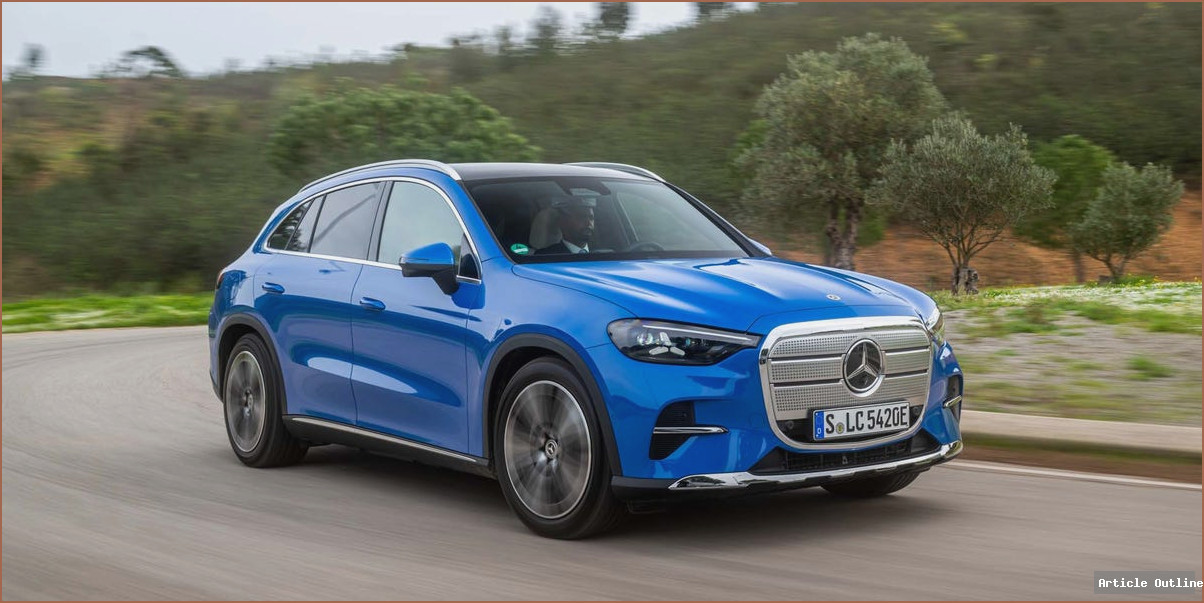
At first glance, the GLC EV stands out with a massive grille that’s equal parts retro and futuristic, a bold move in an age when many EVs lean toward minimalism. But there’s more to this new luxury SUV than meets the eye. Let’s dig deeper into what most coverage misses—and why this all-electric GLC could become a landmark in Mercedes’ electric journey.
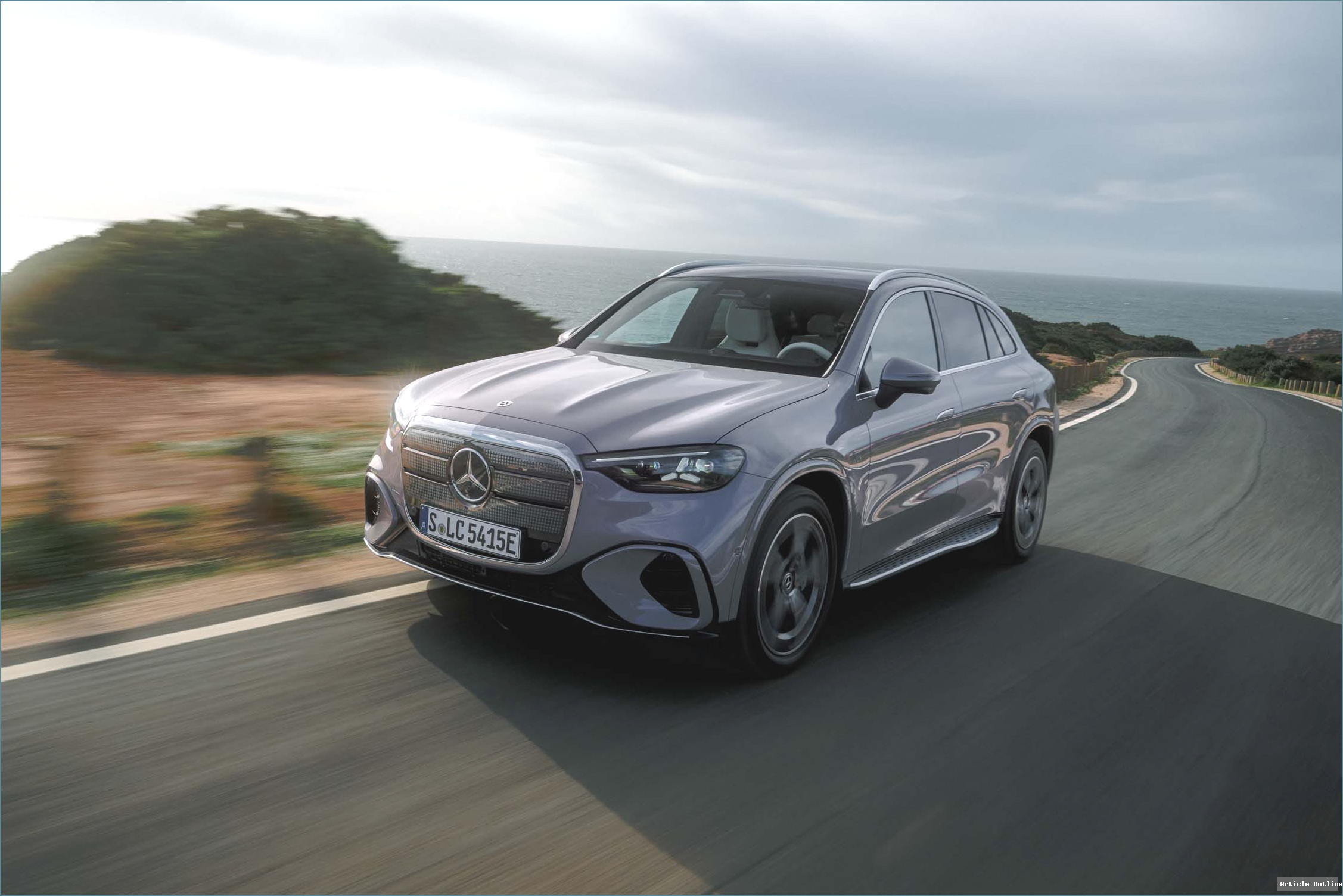
Why This Matters
- Mercedes isn’t just electrifying its lineup—it’s reimagining it. By stretching the wheelbase to 117 inches (almost 4 inches longer than the gas GLC), Mercedes is rewriting the rules for EV proportions, promising both more interior space and a grander road presence.
- Performance isn’t taking a back seat. With 483 horsepower and 590 lb-ft of torque, the GLC400 4Matic Electric claims a 0-60 mph time of just 4.2 seconds. That’s not just quick for an SUV—it’s performance that flirts with AMG territory.
- Styling cues, like the full-width taillight and illuminated three-pointed stars, are a statement: Mercedes wants its EVs to be instantly recognizable, day or night.
What Most People Miss
- The big grille isn’t just nostalgia—it’s branding genius. As EVs lose their need for airflow, many look anonymous. Mercedes makes sure you know a GLC EV from blocks away, keeping its luxury DNA alive.
- The stretched wheelbase isn’t just for looks. It allows for a bigger battery pack (yet to be disclosed) and more rear legroom, addressing a common complaint in current compact luxury SUVs.
- Daytime running lights shaped like the iconic Mercedes stars? Subtle flex. It’s the little touches that set luxury brands apart in a crowded EV market.
Key Takeaways
- Mercedes is playing the long game—choosing evolutionary design and brand continuity over radical change, unlike competitors (think BMW’s iX or Tesla’s Model Y minimalism).
- The GLC EV’s performance specs position it near the top of the segment, rivaling the Audi Q8 e-tron and Jaguar I-Pace, while promising a smoother, quieter ride thanks to the stretched chassis.
- Expect a price premium. With luxury touches and Mercedes’ tech-heavy approach, the GLC EV will likely enter the market above $60,000 (U.S. estimate), vying for buyers who want both status and sustainability.
Industry Context & Comparisons
- In 2023, EVs made up 7.6% of all U.S. new vehicle sales—up from 5.8% the previous year, with luxury brands leading the charge.
- The GLC EV faces stiff competition from the BMW iX3 (not yet U.S.-bound), Audi Q4 e-tron, and the Tesla Model Y. Yet, Mercedes’ focus on heritage design and performance may sway loyalists.
- The longer wheelbase trend mirrors what we’ve seen in the Lucid Air and EQS sedan—more room, more battery, more comfort.
Pros & Cons
- Pros: Eye-catching design, elite performance, brand cachet, more space, future-ready tech.
- Cons: Likely expensive, range and charging specs still under wraps, conservative interior design (if history is a guide).
The Bottom Line
The 2027 Mercedes-Benz GLC EV isn’t just a new entry in the electric SUV race—it’s a bold assertion that luxury, heritage, and electrification can (and should) co-exist. Mercedes is betting big on recognizable design, exhilarating performance, and the subtle details that make a car feel special. If you want an EV that doesn’t blend in, the GLC EV should be on your radar.