The 2027 Volkswagen Tiguan enters the ever-crowded compact SUV ring with a fresh shot of personality and European flair. But what does that actually mean for real drivers—and does it finally break free from the bland, cookie-cutter compact crossover mold?
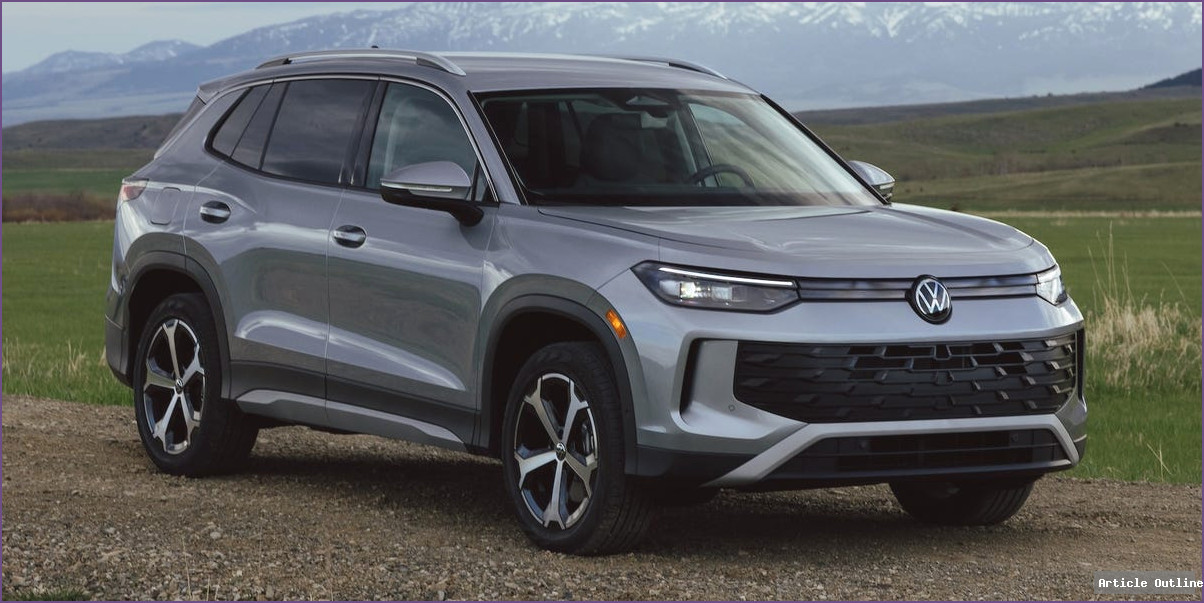
Volkswagen’s latest Tiguan is not just a facelift; it’s a statement. From its punchier engine options to an interior that actually feels premium (in places), VW is making a play for buyers who are bored of vanilla SUVs. But let’s cut through the marketing and see what really sets this Tiguan apart—and where it might still fall short.

Why This Matters
- The compact SUV segment is fiercely competitive, dominated by heavyweights like the Toyota RAV4, Honda CR-V, and Mazda CX-50. Standing out is both a challenge and an opportunity.
- VW’s decision to ditch the third-row option (once a unique Tiguan selling point) signals a clear pivot toward quality over quantity—and a bet that most buyers want more comfort, not more seats.
- The new SEL R-Line Turbo trim with 268 horsepower injects some much-needed fun into the segment, targeting enthusiasts who might otherwise look to the GTI or Golf R.
- Tiguan’s blend of European design, tech-forward features, and available all-wheel drive offers a real alternative to the segment’s Japanese stalwarts.
What Most People Miss
- Performance isn’t just about numbers: While the SEL R-Line Turbo’s 6.7-second 0–60 mph time is a leap forward, VW’s signature handling and steering feel are what truly set it apart. It’s not the fastest, but it’s one of the most engaging to drive.
- The infotainment system is a double-edged sword: The huge 15-inch screen is impressive, but the haptic controls can be frustrating for everyday use. VW’s fix—a rotary knob that doubles as volume and drive mode selector—is clever but a bit of a band-aid.
- Towing capacity lags behind rivals: If you plan to tow more than a small trailer, note that the Tiguan maxes out at 1,800 lbs (AWD), while the Mazda CX-50 and Ford Bronco Sport offer nearly double that.
- Real-world efficiency is better than expected: Both engine options beat EPA estimates in highway testing, which is rare these days.
Key Takeaways & Competitive Context
- Two engine choices: 201-hp base and 268-hp Turbo; both use a smooth 8-speed automatic.
- Acceleration: SEL R-Line Turbo does 0–60 mph in 6.7 seconds—quick, but the Mazda CX-50 Turbo (6.4 sec) edges it out.
- Fuel Economy: Up to 34 mpg highway (FWD S trim) and 31–32 mpg on real-world highway tests—competitive, especially for the power.
- Interior: Heated front seats standard; massaging seats, real wood trim, and 12- or 15-inch screens available on higher trims. Cargo space is solid (27/70 cu ft), but not class-leading.
- Safety: All the modern must-haves: forward-collision warning, lane keeping, blind-spot, and adaptive cruise standard. 360-degree camera optional.
- Warranty: 4 years/40k miles basic, 4 years/50k miles powertrain, 2 years/20k miles of free maintenance.
Pros and Cons
- Pros:
- Engaging turbo engine (R-Line Turbo) and crisp handling
- Distinct Euro style inside and out
- Generous standard safety tech
- Highway fuel economy beats expectations
- Cons:
- Frustrating infotainment controls
- Towing capacity trails key rivals
- Third row is gone—no longer an option for big families
- Higher trims get pricey fast (SEL R-Line Turbo starts at ~$44k)
How Does the Tiguan Compare?
- Mazda CX-50: Slightly quicker and can tow more (up to 3,500 lbs), but similar real-world mpg.
- Honda CR-V: Not as sporty, but offers excellent efficiency, cargo space, and resale value.
- Ford Bronco Sport: More rugged, much higher towing, but less refined on-road manners.
Action Steps & Practical Implications
- If you want the fun-to-drive factor, the SEL R-Line Turbo is the one to get—but be prepared to pay.
- For max value and efficiency, stick with the S or SE trims and FWD unless you need AWD for weather.
- If you need a third row, look at the VW Atlas or other competitors.
“The 2027 Tiguan is the rare compact SUV that actually feels like it has a personality—especially if you opt for the turbo.”
The Bottom Line
The 2027 VW Tiguan finds its groove by leaning into its European roots—offering spirited driving dynamics, bold styling, and real-world efficiency. It won’t be everyone’s cup of tea (especially if you need to tow big or seat seven), but it’s a compelling, character-rich alternative in a segment full of safe bets. If you want to stand out in the carpool lane, the Tiguan finally gives you a reason to go VW again.