The 2027 Volvo EX60 isn’t just another EV—it’s the boldest step Volvo has taken since the iconic 240. The EX60 arrives as the electric successor to the brand’s all-time bestseller, the XC60, packing cutting-edge tech, up to 670 horsepower, and a Tesla-sized 400-mile range. But what’s really going on beneath that minimalist Scandinavian sheetmetal?
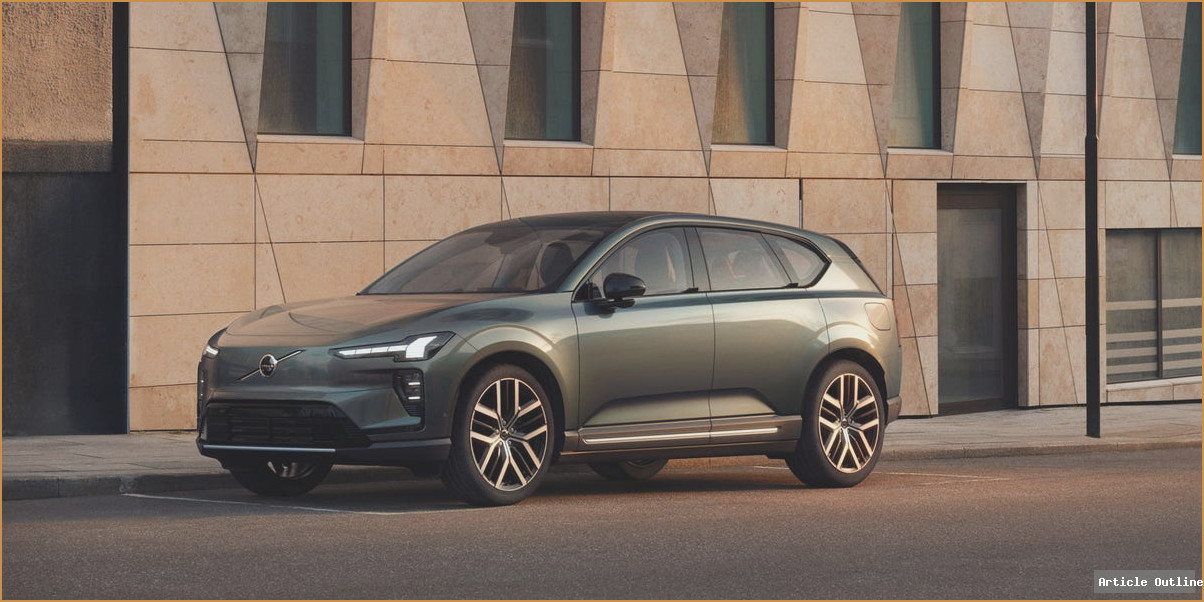
Let’s break down why the EX60 isn’t just a new chapter for Volvo—it’s a whole new book for electric SUVs, and a statement on where the industry is headed.
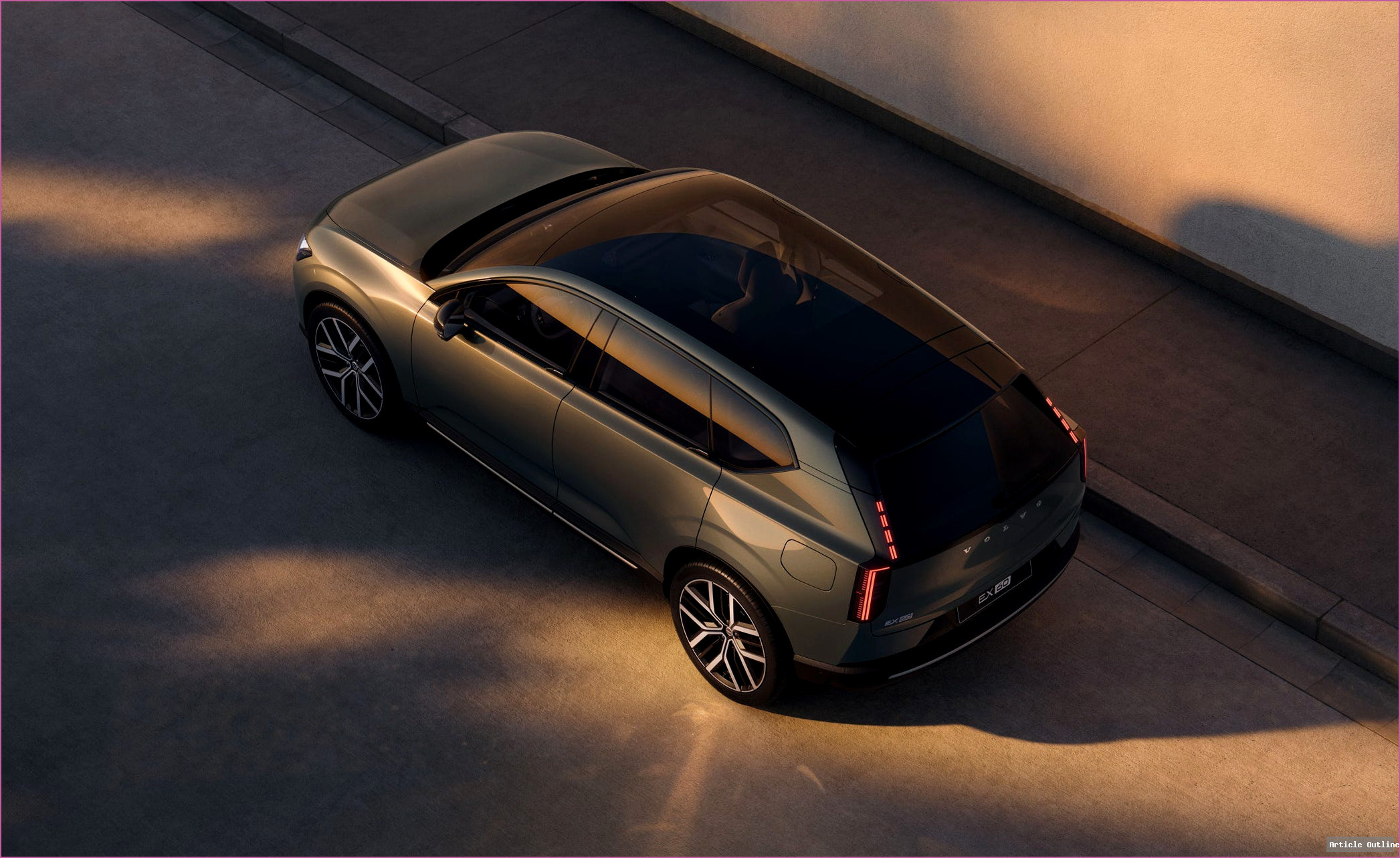
Why This Matters
- Volvo is electrifying its best-selling model—a direct challenge to Tesla’s dominance in the premium EV space.
- The EX60’s new SPA3 platform isn’t just scalable—it’s future-proof, enabling everything from compact crossovers to larger SUVs on the same architecture.
- First Volvo with Tesla’s NACS charging port, unlocking the Supercharger network for Volvo buyers. This is a huge leap for charging convenience and EV adoption.
- With up to 670 hp and a 3.8-second 0-60 mph sprint, the EX60 isn’t just efficient—it’s a rocket in a business suit.
What Most People Miss
- Megacasting & Cell-to-Body Tech: Volvo’s new production techniques (like using recycled aluminum megacasting) reduce complexity and cost—a page from Tesla’s playbook, but with Volvo’s sustainability twist.
- Gemini AI Integration: The EX60 is the first Volvo to run Google’s Gemini AI assistant, blending Silicon Valley smarts with Swedish design. This is more than voice commands—think proactive navigation, smarter energy management, and next-gen infotainment.
- Range and Charging Speed: The 400-mile P12 isn’t just about a big battery; Volvo claims 31% faster charging and 20% higher energy density, a major step up from previous models like the EX90.
- Cross Country Variant: Arriving in 2028, the EX60 Cross Country will bring AWD, extra clearance, and rugged design back to Volvo’s lineup—potentially making it the most versatile electric SUV for adventure-seekers.
Key Takeaways
- Three powertrains: P6 (RWD, 369 hp), P10 (AWD, 503 hp), and P12 (AWD, 670 hp).
- Fast charging: Add 173 miles in 10 minutes (on a 400 kW charger, estimated).
- Roomier than the XC60: Longer wheelbase, flat load floor, and up to 64 cubic feet cargo space.
- Loaded with tech: 15.1-inch OLED display, Google software, Bose or Bowers & Wilkins audio, and advanced driver assist features.
- Pricing: Expected to start in the mid-$50,000s for the P6, with the P12 topping $70,000.
Timeline: How We Got Here
- 2023: Volvo’s XC60 becomes the brand’s all-time bestseller (2.7 million units sold).
- 2024: Volvo launches its first SPA3-based vehicle with megacasting and cell-to-body battery tech.
- 2027: EX60 arrives in the US with NACS charging, advanced AI, and up to 400 miles of range.
- 2028: Cross Country EX60 variant debuts, targeting the adventure/lifestyle SUV segment.
Industry Context & Comparisons
- Tesla Model Y: The EX60 P12 offers more horsepower and similar range, but with a luxury interior and Volvo’s safety reputation.
- BMW iX3 / Audi Q4 e-tron: EX60 eclipses them on range, charging speed, and interior tech.
- Charging Infrastructure: By adopting NACS, Volvo leapfrogs legacy automakers still stuck with CCS or proprietary systems.
Pros and Cons
- Pros:
- 400-mile range and rapid charging
- Scalable SPA3 platform for future models
- Luxury, tech, and performance in one package
- Access to Tesla’s Supercharger network
- Cons:
- Pricing could push top trims out of reach for some buyers
- Cross Country variant won’t arrive until 2028
- Initial US models are imports, which may affect incentives
The Bottom Line
The EX60 isn’t just a new Volvo—it’s the company’s bet that the future of SUVs is electric, flexible, and packed with tech that actually makes life easier. If you want a luxury EV that doesn’t force you to compromise on range, performance, or usability, the EX60 demands a spot on your shortlist. With its blend of Scandinavian sophistication, Silicon Valley brains, and real-world practicality, this is the new benchmark other compact luxury EVs will have to chase.