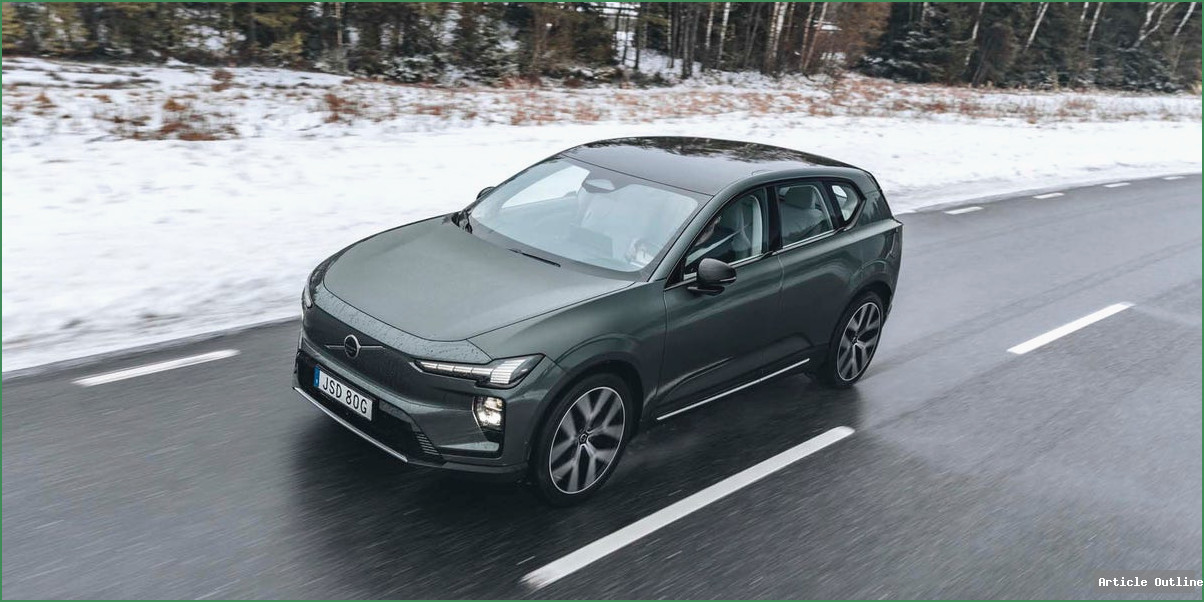
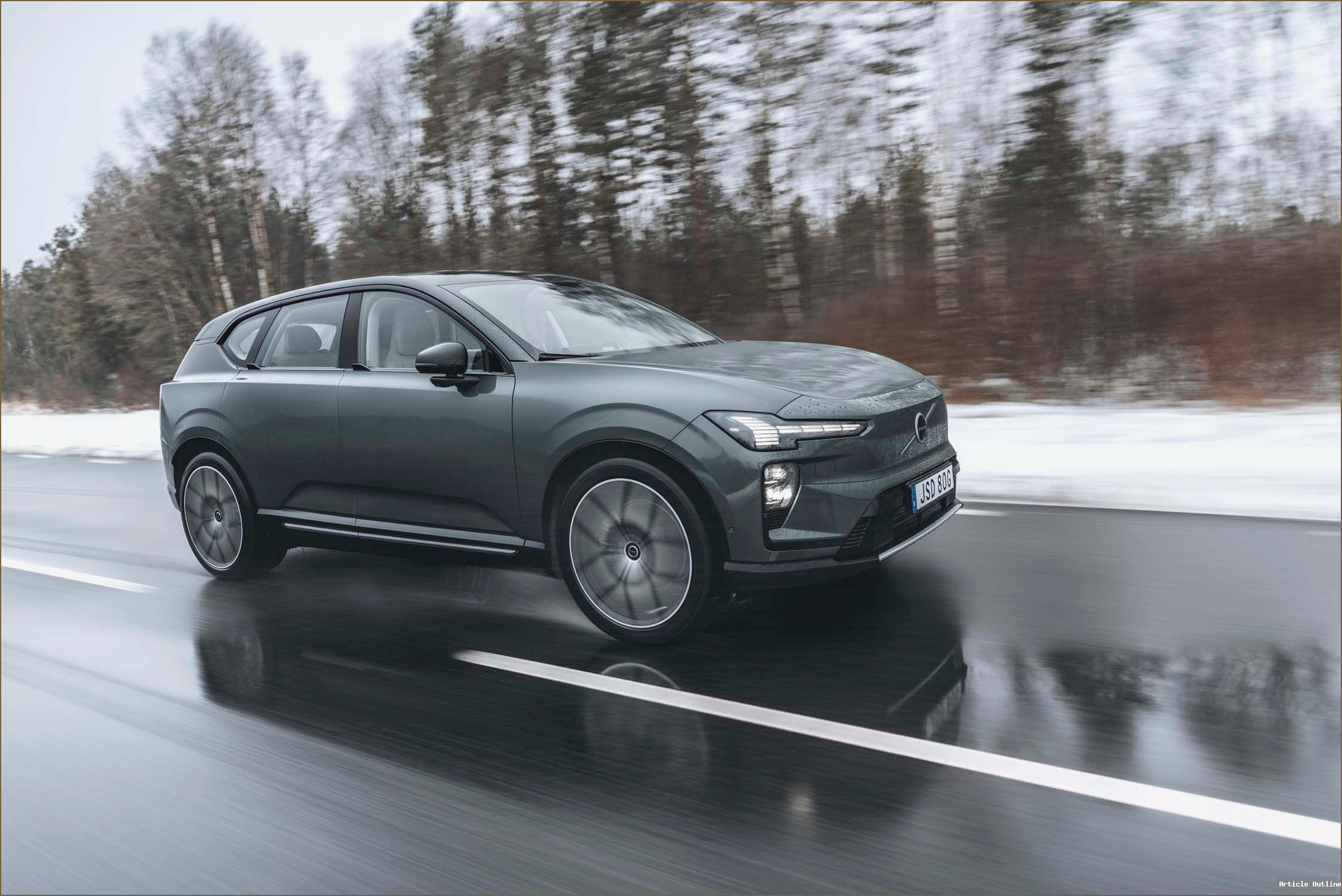
The 2027 Volvo EX60 isn’t just another all-electric SUV angling for a slice of the EV pie—it’s a statement about where Volvo, and the industry, are headed. Sure, the design dazzles, but the real story is what lies beneath that sophisticated Scandinavian skin.
Why This Matters
The EX60 is Volvo’s bridge between today’s electrified SUVs and tomorrow’s fully autonomous, tech-driven family haulers. With three distinct powertrains—all electric—the EX60 isn’t just a Tesla rival; it’s a blueprint for how legacy automakers can leap into the future without losing their soul. At a time when EV adoption is accelerating (global EV sales topped 10 million in 2023, up 35% year-on-year), Volvo’s move signals a confidence that’s hard to ignore.
Key Takeaways
- Three flavors, tailored for different buyers: The rear-wheel-drive P6 (369 hp, 80 kWh battery, $60k starting price), all-wheel-drive P10 (503 hp, 91 kWh), and the flagship P12 (670 hp, 112 kWh battery).
- Top speed capped at 112 mph—a Volvo safety signature, reinforcing the brand’s commitment to life over lap times.
- Battery tech that matches or beats rivals: The P12’s 112 kWh battery is substantial, outmuscling the likes of the Tesla Model Y Performance (81 kWh) and even the BMW iX xDrive50 (111.5 kWh).
What Most People Miss
It’s easy to get lost in horsepower numbers, but the EX60’s real innovation is Volvo’s safety-centric approach to EV performance. While other brands chase wild 0-60 mph times and triple-digit top speeds, Volvo deliberately limits velocity—echoing its historic stance on safety leadership. This isn’t a cop-out. It’s a subtle, industry-shaping challenge: Can you build a performance EV without encouraging reckless driving?
Also overlooked: The EX60’s modular battery strategy hints at future upgradability and a path toward sustainable ownership—a quiet but bold counter to built-in obsolescence that plagues some competitors.
Industry Context & Comparison
- Against Tesla Model Y: The Volvo EX60’s base P6 undercuts Tesla on price-for-power, and up the range, the P12’s battery dwarfs the Model Y’s capacity.
- Against BMW iX: The iX edges out on luxury, but Volvo’s Scandinavian design and safety-forward reputation offer a compelling alternative—especially for families.
- Volvo’s Commitment: By 2030, Volvo promises to be a fully electric brand. The EX60’s launch is a crucial milestone in that journey.
Timeline: Volvo’s EV Push
- 2021: Volvo announces plans to go all-electric by 2030.
- 2022: Launch of the EX90, Volvo’s first dedicated EV SUV.
- 2027: EX60 launches, targeting the mass-market premium EV segment.
Pros and Cons
- Pros:
- Multiple powertrain/battery options
- Uncompromising safety features
- Elegant Scandinavian design language
- Potential for software and battery upgrades
- Cons:
- Top speed limited—may disappoint thrill-seekers
- Range figures still unconfirmed
- Faces fierce competition from established EV leaders
The Bottom Line
The 2027 Volvo EX60 is more than just a head-turner—it’s a carefully calculated step into the future of electric mobility, anchored by Volvo’s unwavering commitment to safety and sustainability. While the horsepower wars rage on, Volvo quietly asks: Isn’t it time we focused on what really matters for the EV era? If you crave both performance and peace of mind, this just might be your next ride.