Volvo’s 70th anniversary in America is more than a corporate milestone—it’s a rolling testament to how a quirky Swedish brand changed the U.S. automotive landscape. While SUVs dominate today, Volvo’s wagons quietly shaped generations of car enthusiasts and family drivers with an irresistible mix of safety, practicality, and understated performance. Let’s dive into why these longroofs matter, what makes them unforgettable, and what most people miss about their impact.
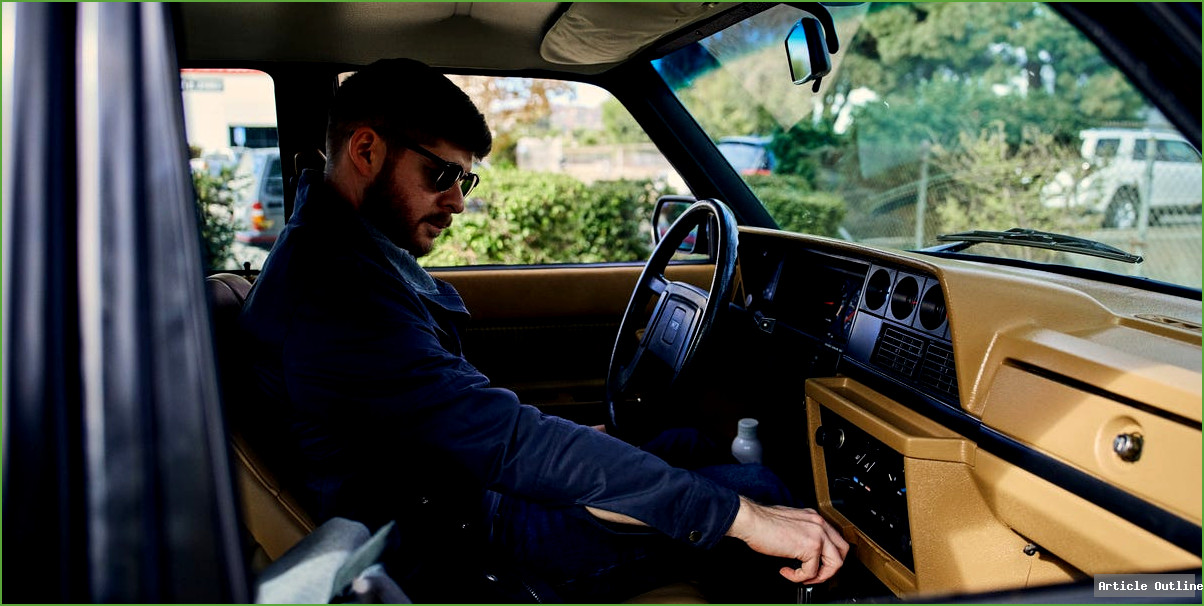
From the iconic 245 GLT Turbo to the rare V60 Polestar, Volvo’s wagons weren’t just transportation—they were cultural symbols. Each model reflected changing attitudes about automotive safety, family life, and even performance, long before those ideas went mainstream.
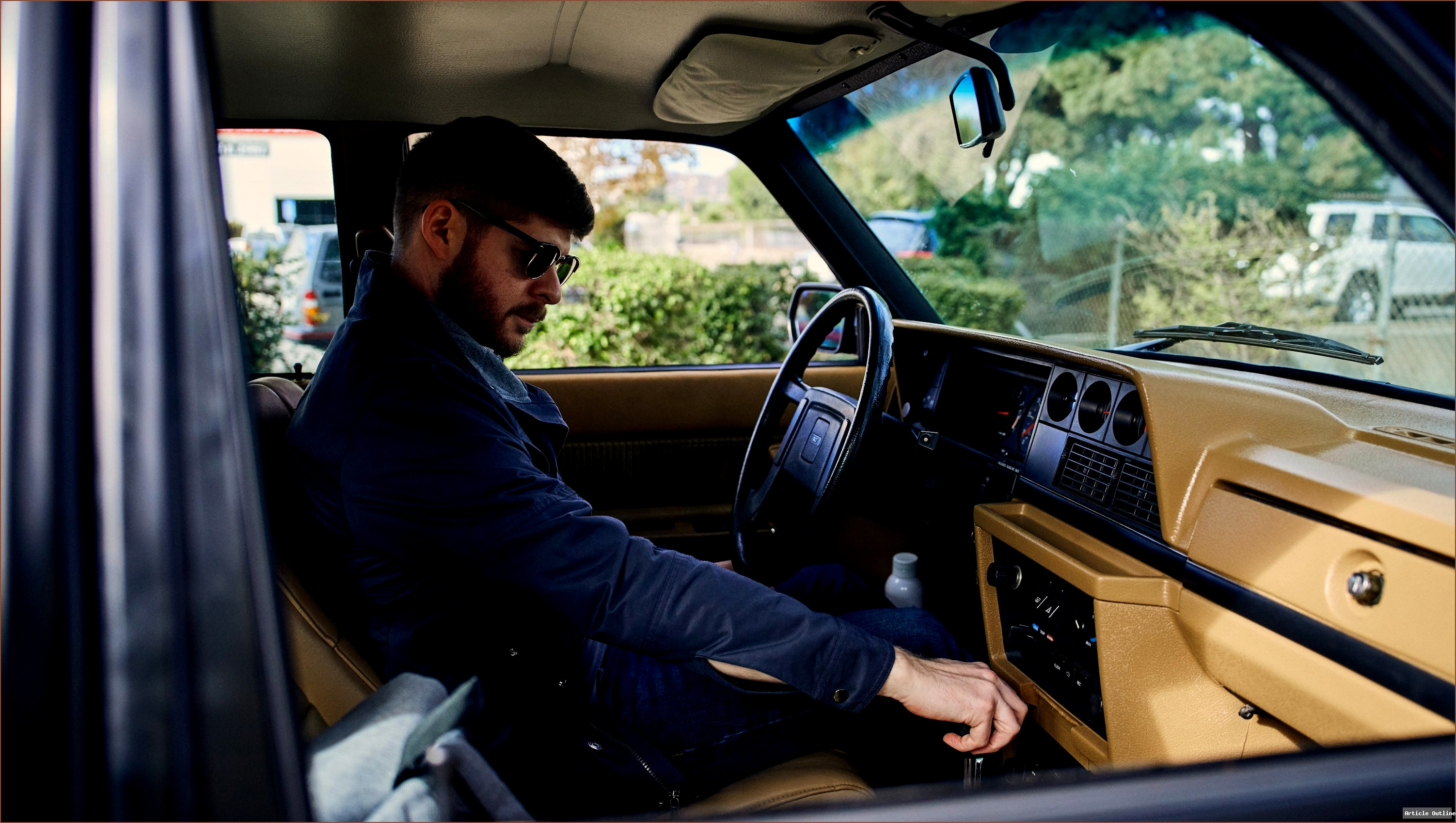
Why This Matters
- Volvo’s wagons pioneered safety tech years ahead of competitors—the three-point seatbelt debuted here in 1959 and now saves thousands of lives annually.
- Americans associate wagons with nostalgia and practicality, but Volvo made them cool: turbocharged engines, all-wheel drive, and even performance variants like the T-5R and Polestar.
- In a world shifting to SUVs, Volvo’s wagons offer a template for blending utility, comfort, and distinctive design—a lesson increasingly relevant as automakers look for alternatives to the SUV monoculture.
What Most People Miss
- Benchmark for Safety: The U.S. government once used the Volvo 240 (wagon included) as the crash-test benchmark for all new cars. That’s a legacy most brands can only envy.
- Performance Cred: The limited-run 850 T-5R was the fastest wagon you could buy in its time—beating even some sports sedans—yet most people still picture Volvos as bland and boxy.
- Family Innovations: From rear-facing jump seats (making a wagon a seven-seater before SUVs were cool!) to clever cargo solutions, Volvo wagons anticipated family needs decades before crossovers existed.
- Collectibility: Models like the 850 T-5R and V60 Polestar are now cult classics, with values rising sharply as enthusiasts rediscover their rarity and charm.
Key Takeaways
- Heritage Matters: Volvo’s wagon lineage is a case study in building a brand identity on substance, not just style.
- Innovation Isn’t Always Flashy: Safety advances, clever family features, and turbocharged fun didn’t scream for attention—but they set industry standards.
- The ‘Wagon Renaissance’ Is Real: With modern models like the V90 Cross Country, Volvo is still one of the few brands keeping the wagon torch burning in the U.S.—and enthusiasts are responding.
Timeline: Volvo Wagon Highlights in America
- 1955: Volvo begins U.S. sales.
- 1981-82: 245 GLT Turbo launches, marking the brand’s first turbocharged wagon.
- 1995: 850 T-5R debuts—quick, rare, and coveted.
- 1997-99: V70 Cross Country (XC) introduces AWD and rugged style to the Volvo wagon lineup.
- 2015: V60 Polestar, a limited-edition performance wagon, becomes an instant collector’s item.
Pros and Cons: The Enduring Wagon Appeal
- Pros:
- Superior cargo space vs. sedans
- Car-like handling vs. SUVs
- Tradition of safety and innovation
- Unique, understated style
- Cons:
- Perceived as ‘uncool’ by mainstream buyers (until recently!)
- Less ground clearance than SUVs
- Harder to find new models due to low demand
Industry Context & Comparisons
- Wagon vs. SUV: U.S. wagon sales have plummeted since the 1990s (from 7% of new cars to under 1% today), but Volvo remains a rare holdout alongside Subaru and Mercedes-Benz.
- Performance Wagons: Audi and Mercedes now offer high-powered wagons (RS6 Avant, E63 AMG), but Volvo’s 850 T-5R and V60 Polestar paved the way for this niche decades ago.
- Safety Leadership: Volvo still wins IIHS Top Safety Pick+ awards for its wagons and crossovers, proving the DNA remains strong.
“The Volvo wagon isn’t just a family hauler—it’s a rolling manifesto for safety, comfort, and a subtle kind of cool that never goes out of style.”
The Bottom Line
If you think wagons are relics, think again. Volvo’s 70-year journey in the U.S. is proof that innovation, safety, and style can coexist—sometimes in the shape of a longroof. As electrification and autonomy reshape the auto world, perhaps it’s time to revisit the wagon as the ultimate blend of past wisdom and future vision.