Amazon has just thrown down a bold new challenge in the AI arms race—by bringing the cloud to your doorstep. The tech giant’s new on-premises ‘AI Factories,’ built in collaboration with Nvidia, promise to let corporations and governments run cutting-edge AI right inside their own data centers. If that sounds like a leap back to old-school IT, you’re not wrong—but the context is radically different.
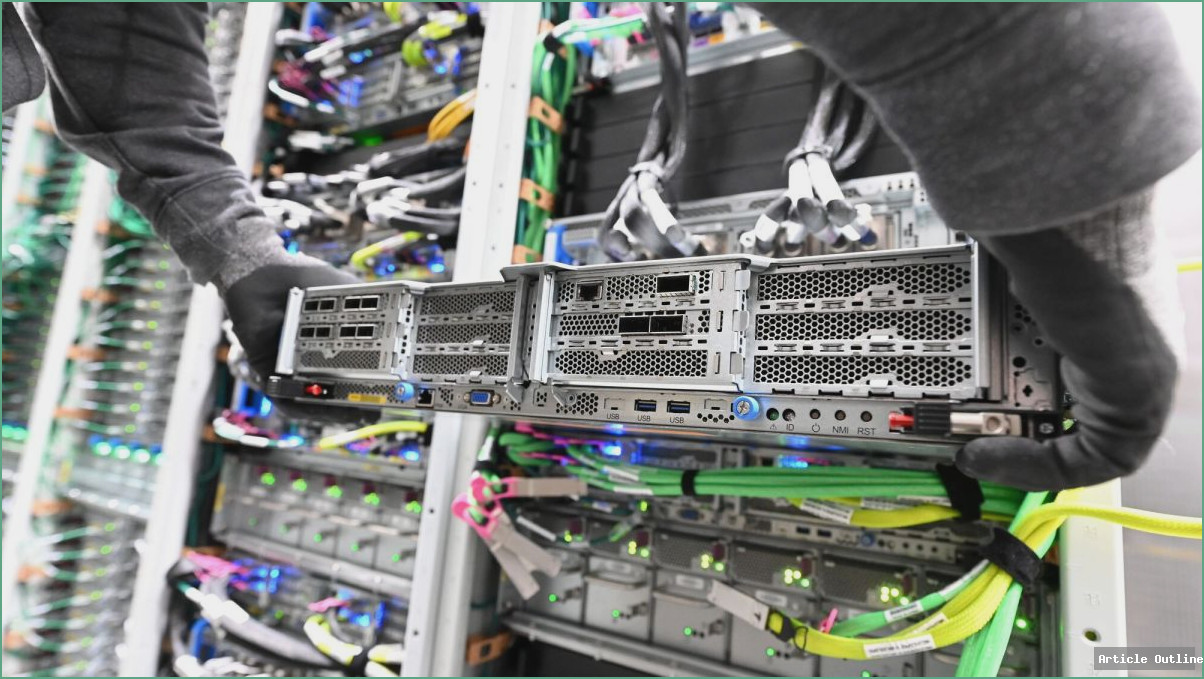
Let’s break down why Amazon’s move is so much more than another product announcement—and why it signals a major shift in how, and where, we’ll build the next generation of AI.
Why This Matters
- Data Sovereignty Takes Center Stage: With governments and corporations growing nervous about where their data lives and who might access it, Amazon’s solution delivers the power of the cloud without sending critical data off-premises.
- Cloud Providers Reinvent the Private Data Center: Remember when the cloud’s whole pitch was to ditch your own servers? Now, the pendulum is swinging back—because AI workloads demand immense resources, and absolute control over data is paramount.
- The Nvidia Factor: By leveraging Nvidia’s latest Blackwell GPUs (alongside Amazon’s Trainium3), these AI Factories promise blistering performance. But it’s not just about speed—it’s about letting organizations tailor AI infrastructure for their unique needs, from compliance to latency.
What Most People Miss
- It’s Not Just AWS: Rivals like Microsoft are racing to deploy Nvidia-powered ‘AI Superfactories’ in their own data centers, and even offering managed hardware (‘Azure Local’) for customer sites. The real story is an industry-wide rethink of what ‘cloud’ means in the AI era.
- Hybrid Is the New Normal: We’re seeing a convergence of public cloud flexibility and private data center control—a hybrid approach that was once seen as a compromise, but is now a strategic must-have for AI adoption.
- Old Trends, New Stakes: It may feel like 2009 all over again, but the scale and stakes are vastly higher. Today’s AI workloads can drive national security, financial markets, and fundamental science—and that means ownership, locality, and trust are non-negotiable.
Key Takeaways
- Data Sovereignty Is Driving Infrastructure Decisions: Expect stricter regulations (like Europe’s GDPR and upcoming U.S. proposals) to keep pushing cloud giants toward on-prem solutions.
- AI Hardware Wars Are Heating Up: The choice between Nvidia’s latest GPUs and custom silicon like Amazon’s Trainium3 is more than tech specs—it’s about ecosystem control.
- Cloud Is Becoming Decentralized: The old cloud model—centralized, managed by someone else—is evolving. Now, the cloud comes to you, not the other way around.
Industry Context & Comparisons
- Microsoft’s Moves: Microsoft’s rollout of AI Factories and Azure Local shows the same strategic pivot. Their focus on ‘AI Superfactories’ in states like Wisconsin and Georgia is a direct answer to customers’ sovereignty concerns.
- Google and Others: Expect Google Cloud and other hyperscalers to follow suit, especially as regulatory scrutiny intensifies.
- Stats to Watch: According to IDC, 70% of enterprises will prioritize data locality in AI deployment by 2027. Spending on hybrid cloud AI infrastructure is projected to double by 2028.
Pros & Cons Analysis
- Pros:
- Absolute data control
- Regulatory compliance
- Ultra-low latency for AI workloads
- Vendor-managed, but customer-owned infrastructure
- Cons:
- High upfront cost
- Complex deployment and integration
- Potentially slower to scale than pure cloud
The Bottom Line
Amazon’s AI Factories aren’t just about new hardware—they represent a fundamental shift in the cloud business model, driven by the demands of modern AI. The world’s biggest tech players are now racing to blur the boundaries between cloud and on-prem, with data sovereignty as the new battleground. For customers, this means more choice, more control, and more complexity—plus the chance to run world-class AI next to the data that matters most.