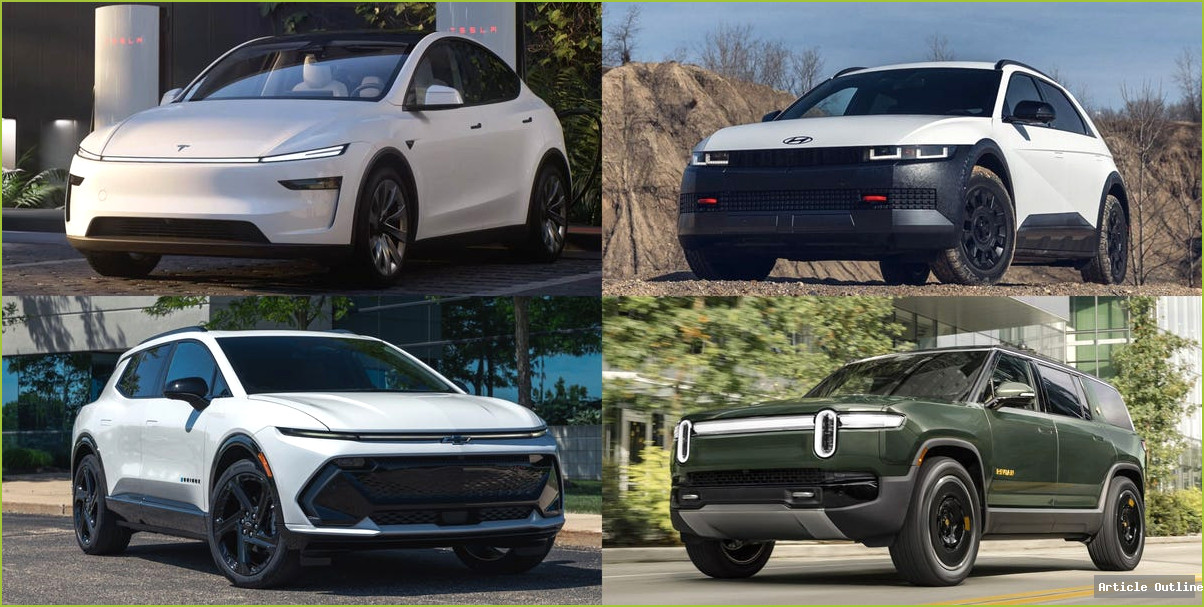
The U.S. electric vehicle (EV) market has undergone a seismic shift in the past five years, with nearly every mainstream automaker—plus a few ambitious startups—now offering at least one battery-powered model. But while the headlines focus on shiny new models and big promises, the real story lies beneath: the diversity of EV approaches, the industry’s pivots, and what this tells us about the road ahead.
Why This Matters
- EV adoption is no longer a Silicon Valley experiment. Traditional giants and luxury icons are now in the race, making electrification mainstream rather than niche.
- The breadth of offerings—from city hatchbacks to muscle cars and luxury SUVs—signals an industry in transition and a consumer base ready for options beyond Tesla.
- The variety reveals not just a technological shift, but a fierce battle over branding, customer loyalty, and the future of mobility in America.
What Most People Miss
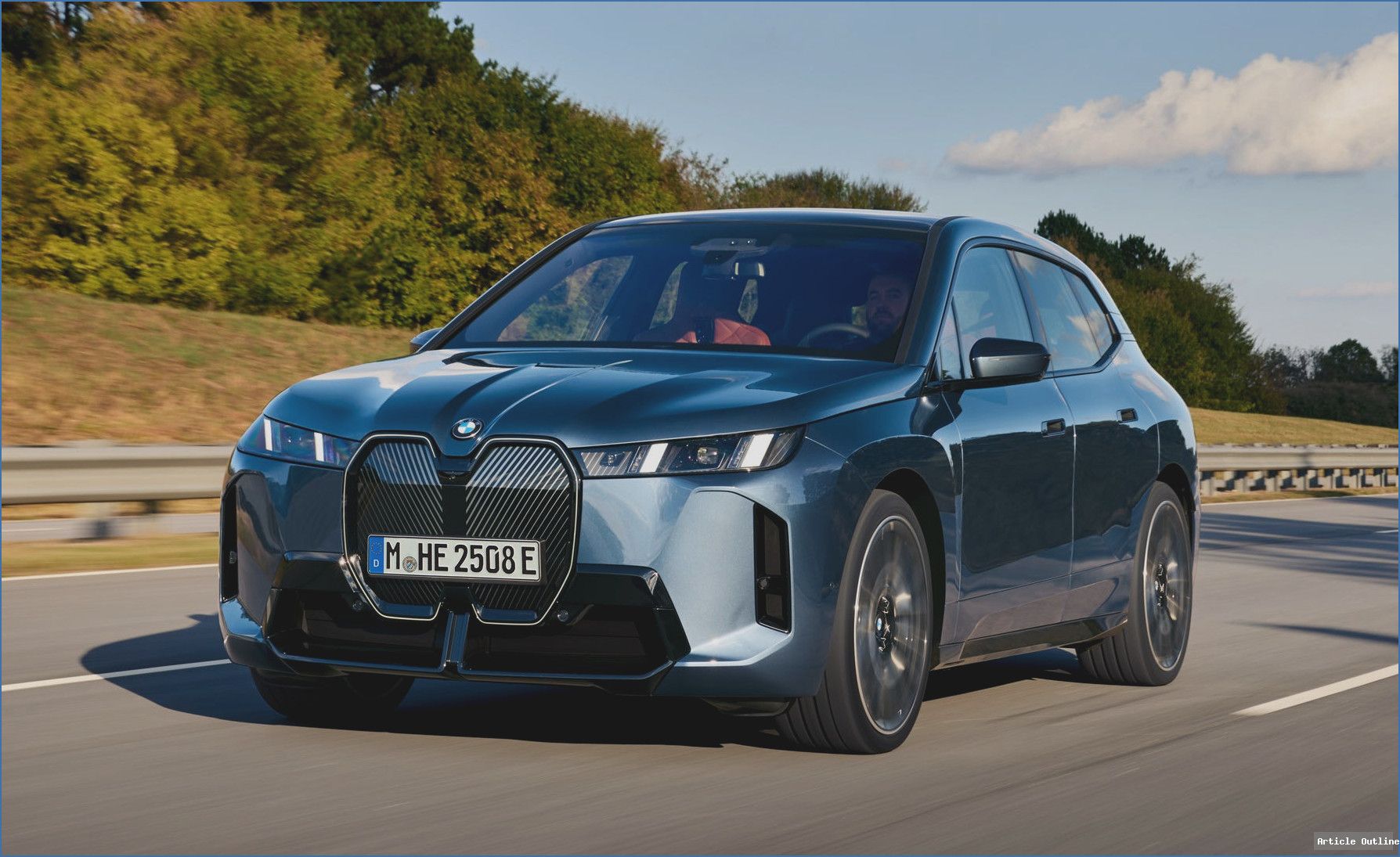
- Legacy automakers are treading cautiously. Many brands—like BMW, Cadillac, and Lexus—offer EVs that closely mimic their gasoline counterparts. This isn’t laziness; it’s a strategic hedge to avoid alienating loyal buyers as the world changes.
- Platform sharing is rampant. Honda’s Prologue rides on GM’s Ultium platform, while Genesis, Hyundai, and Kia share key architectures. The implication? Under the skin, your new EV may be more sibling than rival to competing models.
- Startups like Lucid and Rivian are pushing the boundaries on luxury and tech, but face uphill battles in production, service, and brand awareness.
- Some brands (Mini, Fiat) offer only a single EV, signaling a wait-and-see approach or limited U.S. investment.
Key Takeaways
- The U.S. EV market is fragmented but expanding fast. In 2019, only a handful of EVs were available; now, nearly every major brand fields at least one, with dozens of new models on the way.
- Consumer choice is exploding: from Dodge’s muscle-bound Charger Daytona to the city-friendly Fiat 500e, there’s now an EV for nearly every lifestyle.
- Automakers are balancing speed-to-market with the need for reliability and brand identity, leading to a wide range of strategies—some bold, some cautious.
- Adoption is still regionally skewed: California leads with nearly 40% of all U.S. EV registrations, while much of the country lags due to infrastructure and range anxiety.
Comparisons and Industry Context
- Stat Check: In Q1 2024, EVs made up 7.3% of new vehicle sales in the U.S.—a record high, but still far behind Europe and China, where penetration rates top 20% and 30% respectively.
- Timeline:
- 2010: Nissan Leaf launches as the first affordable mainstream EV.
- 2017: Tesla Model 3 ignites mass-market interest.
- 2021–2024: Nearly every automaker brings at least one EV to market.
- Pros:
- Massive increase in consumer choice
- Rapid tech innovation (range, charging speed, performance)
- Cleaner emissions profile (especially as grid gets greener)
- Cons:
- Charging infrastructure gaps remain a major bottleneck
- Federal and state incentives are patchy and ever-changing
- Many EVs still come at a price premium over ICE counterparts
Expert Commentary
“The next two years will decide the winners and losers in the EV space. Those who invest in charging networks, compelling design, and battery tech will thrive—others will be left behind.” — Auto Industry Analyst
What’s especially fascinating is how the market is no longer just chasing Tesla. Automakers are carving their own identities: Dodge is electrifying muscle, Lucid is going ultra-luxury, and Hyundai/Kia are dominating the value and tech conversation.
The Bottom Line
The American EV market in 2024 is a patchwork of innovation, imitation, and ambition. Consumers have more choice than ever, but also more to consider: charging, range, brand support, and resale value. The next wave—compact pickups, affordable compacts, and true mass-market adoption—will define the decade. Buckle up: the EV revolution is just getting started, and it’s going to be a wild ride.