Apple’s annual App Store Awards have always been about celebrating innovation, design, and utility. But for 2025, there’s a new, not-so-silent partner in the spotlight: Artificial Intelligence. While Apple still sidesteps crowning a chatbot or pure AI app as App of the Year, their winners list screams one thing—AI is everywhere, and it’s shaping the future of how we use our devices.
Why This Matters
Apple’s reluctance to explicitly name AI as the hero of its App Store awards is telling. The company, known for its cautious and privacy-first approach, is threading a careful line between embracing cutting-edge technology and not fueling the AI hype machine. But here’s the twist: most of this year’s top apps are powered by smart, context-aware AI features—even if they aren’t branded as such.
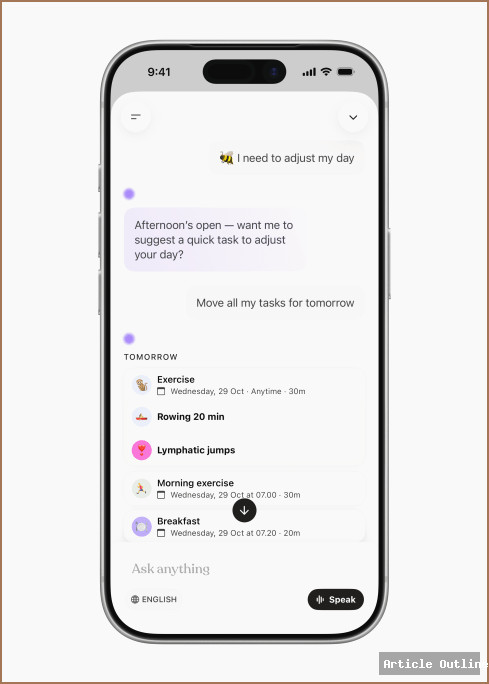
From visual planning to personalized reading recommendations and accessibility tools, AI isn’t just a buzzword—it’s the engine driving user experience improvements. Apple’s choices reveal a future where AI is seamlessly embedded in everyday tools, subtly transforming productivity, creativity, and inclusion without overwhelming users with ‘AI for AI’s sake.’
What Most People Miss
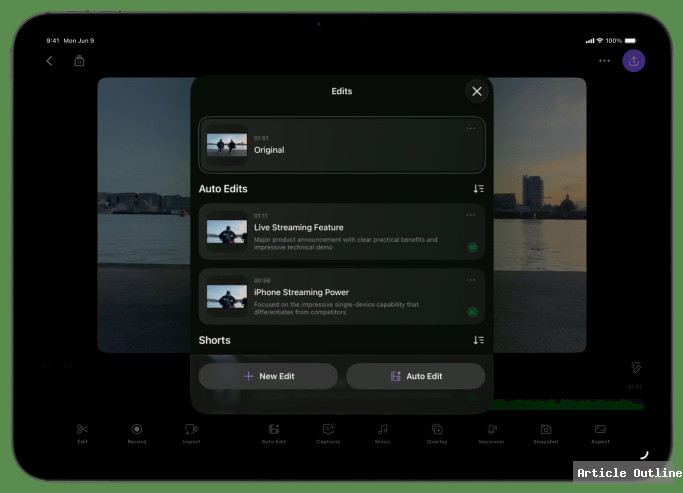
- AI isn’t the headline, it’s the backbone: Apps like Tiimo (visual planner), Detail (AI video editor), StoryGraph (reading tracker), and Be My Eyes (accessibility) all deploy AI in ways that feel natural and supportive, rather than gimmicky.
- Accessibility and inclusion take center stage: Be My Eyes, with its AI-powered visual assistant for the visually impaired, and StoryGraph, which helps match readers to books using machine learning, show how AI can make tech more humane.
- AI makes creative and organizational work less intimidating: Apps like Detail cut busywork for video creators, while Tiimo helps users realistically structure chaotic to-do lists with personalized schedules.
Key Takeaways
- AI as an invisible assistant: The most successful apps use AI to remove friction and enhance user agency, rather than replace human judgment.
- Shift from novelty to utility: Apple’s picks highlight a maturing ecosystem where AI is less about showing off and more about solving real problems.
- Culture and empathy: The ‘Cultural Impact’ category shows Apple rewarding apps that use AI to foster understanding and accessibility, not just productivity.
Industry Context and Trends
- According to Statista, the AI-powered app market is projected to grow at a CAGR of over 20% through 2028, with user demand for smart features driving both downloads and engagement.
- Apple’s approach stands in contrast to rivals like Google and Microsoft, who have leaned heavily into flagship AI-branded products. Apple, instead, is quietly weaving AI into the fabric of everyday digital life.
- Inclusion of AI in accessibility apps echoes broader industry moves, such as Microsoft’s Seeing AI and Google’s Lookout, but with a signature Apple twist on privacy and UX.
Timeline: AI’s Rise in Apple’s App Store Awards
- 2022-2023: Dominance of social, health, and pandemic-driven productivity apps.
- 2024: First signs of AI-powered tools making finalist lists, but AI chatbots remain absent from top honors.
- 2025: AI moves from the background to the core of winning apps—though Apple still avoids the explicit ‘AI App of the Year’ title.
The Bottom Line
Apple’s 2025 App Store Awards are a masterclass in how to normalize AI. The company may not shout about artificial intelligence from the rooftops, but their choices speak volumes. The apps that win aren’t just the flashiest—they’re the ones that use AI to empower users, break down barriers, and make technology feel more approachable.
Expect this trend to deepen: In the coming years, the best apps won’t be those with the loudest claims about AI, but those that use it to quietly, profoundly improve daily life.