The next chapter in the Ukraine conflict is unfolding—not on the battlefield, but in high-stakes meeting rooms from Moscow to Miami. With the US special envoy Steve Witkoff set to meet Ukraine’s top security official Rustem Umerov in Florida, just days after marathon talks with Vladimir Putin, the world is watching. But what’s really at stake here? And what are most people missing about these negotiations?
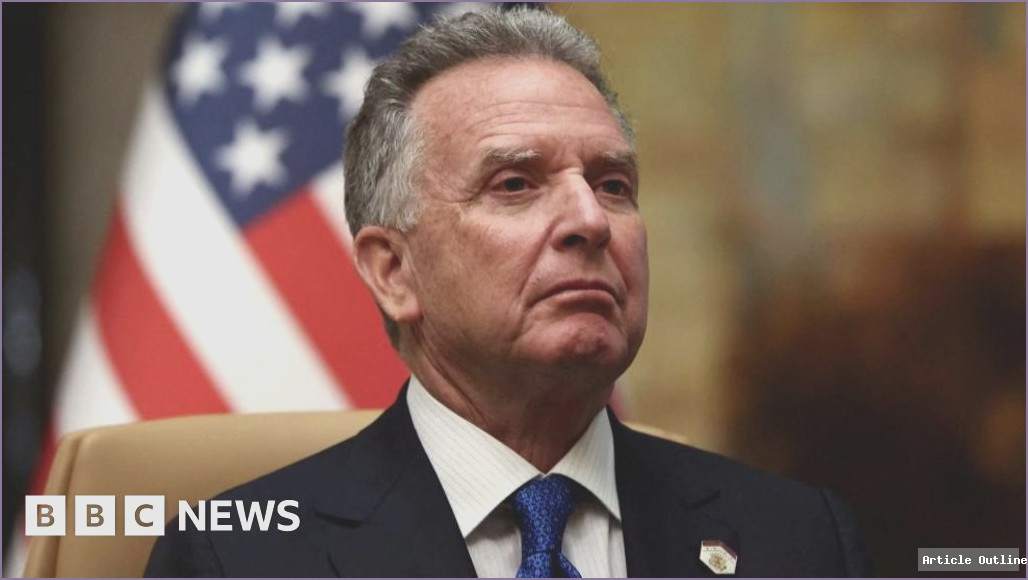
This isn’t just another diplomatic pit stop. The Miami meeting signals a new phase in a war that’s as much about geopolitics as it is about territory. The US is stepping up its behind-the-scenes diplomacy, while Europe redraws its energy and security lines, and Russia, emboldened by recent military gains, is turning up the pressure. Here’s what you need to know.

Why This Matters
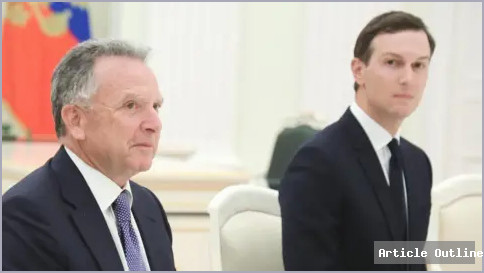
- The US is taking a more hands-on approach, signaling both urgency and a willingness to find solutions outside traditional channels. The involvement of high-level envoys and even Trump’s son-in-law, Jared Kushner, hints at a more personalized, possibly unconventional diplomatic strategy.
- Moscow’s battlefield momentum is influencing negotiation dynamics. Russia claims to control nearly 20% of Ukraine, with incremental advances in the east. This emboldens its negotiating position and shapes what it’s willing to concede.
- Europe is drawing a hard line on energy independence. The EU’s new deal to end Russian gas imports by 2027 isn’t just about economics—it’s a strategic move to cut off a major Kremlin lever.
What Most People Miss
- Ukraine’s NATO membership isn’t just a bargaining chip—it’s the heart of the security debate. Russia and even the US have shown reluctance, but for Ukraine and its European allies, it’s seen as the only real deterrent against future aggression.
- The financial undercurrents are massive. The EU is proposing a €90bn support package for Ukraine, with debates about using frozen Russian assets. This could radically reshape how war reparations and post-war reconstruction are handled globally.
- Humanitarian concerns remain a flashpoint. Over 19,000 Ukrainian children have reportedly been deported to Russia, leading to an unprecedented joint UN demand for their return and an ICC warrant for Putin.
Key Takeaways & Expert Perspective
- Negotiations are far from linear. Despite “reasonably good” US-Russia talks, no breakthrough was achieved, and major sticking points remain: occupied territories and Ukraine’s future security architecture.
- Pressure is mounting on all sides: Zelensky insists that talks must be backed by pressure on Russia, while the Kremlin accuses Europe of sabotaging peace and postures for more meetings.
- Energy and economic levers are being pulled hard. The EU’s ban on Russian gas pipelines from September 2027 and LNG contracts from January 2027 is a tectonic shift. This will affect not just Russia’s economy, but global energy markets and alliances.
- Legal and financial innovation (or risk): The proposal to use frozen Russian assets for Ukraine’s aid is a legal minefield, with Belgium and the ECB voicing concerns. If it goes through, it could set a precedent for future conflicts.
Comparisons & Timeline
- Past peace efforts in conflicts like Syria and the Balkans often stalled on territorial and security guarantees—echoes seen here.
- Timeline:
- US and European leaders meet for initial drafts of a peace deal.
- Witkoff and Kushner spend five hours with Putin—no compromise reached.
- EU finalizes deal to cut Russian gas imports by 2027.
- Upcoming US-Ukraine talks in Miami, with key outcomes to watch.
The Bottom Line
Don’t expect a dramatic handshake or a ceasefire tomorrow. Instead, expect a slow, grinding process where military realities, financial engineering, and shifting alliances all play a role. What’s clear is that each side is recalibrating—militarily, economically, and diplomatically—while millions of lives hang in the balance.
Action Steps & Implications:
- Watch for concrete outcomes from the Miami talks—especially any signs of compromise on territory and security.
- Monitor how the EU’s energy divorce from Russia affects prices and geopolitics.
- Keep an eye on legal moves regarding Russian assets—this could set a global precedent.
“Right now, the world clearly feels that there is a real opportunity to end the war. But negotiations must be backed by pressure on Russia.” — Volodymyr Zelensky