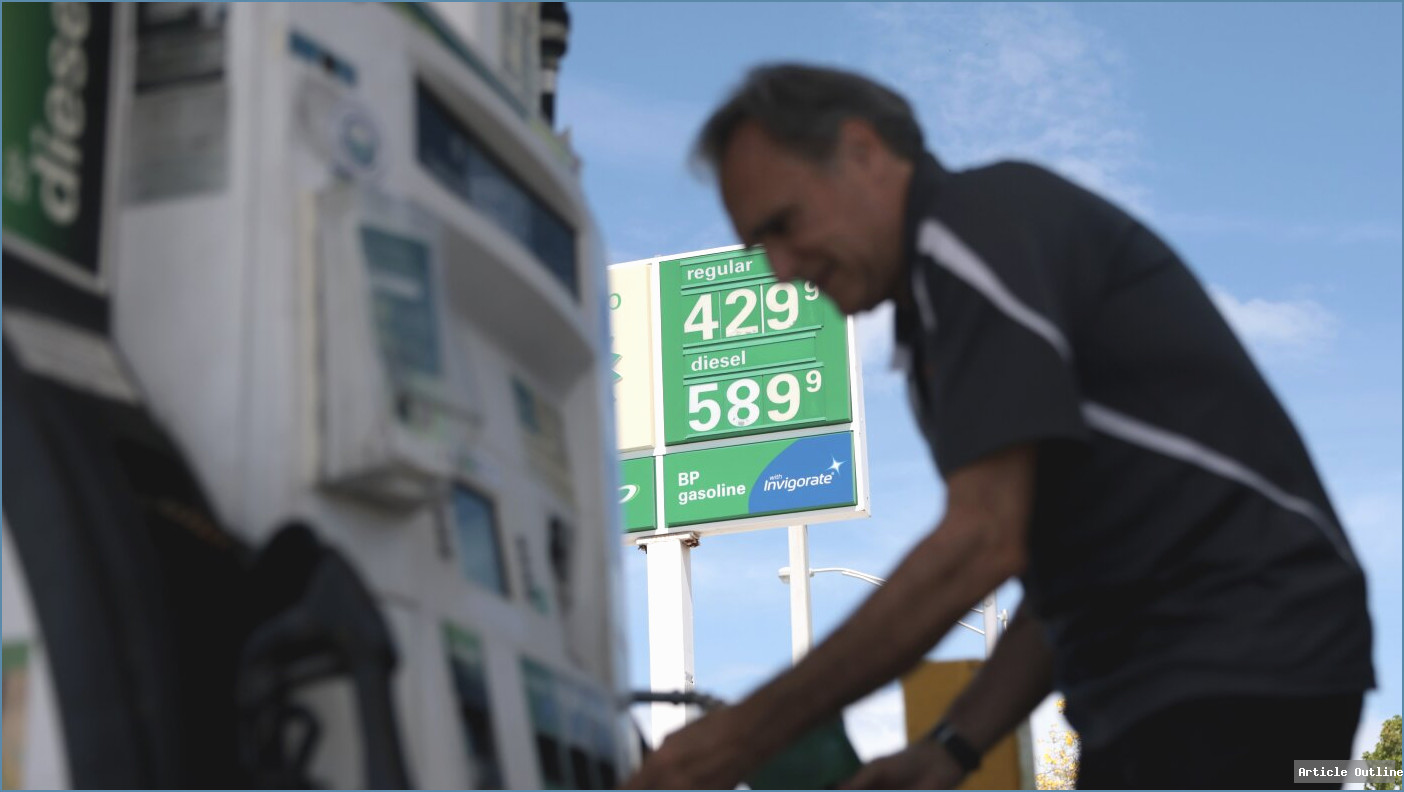
Gas prices have punched above $4 a gallon nationwide, and it’s no longer just a wallet pinch—it’s a full-on budgeting crisis for millions of Americans. But here’s the thing: While most headlines are shouting about EVs or driving less, the real opportunity is hiding in the details. Let’s break down what you can do to cut your fuel costs, what most folks are missing, and why these choices matter for far more than your bank account.
First, the obvious: yes, you can drive less, drive smarter, or ditch gas entirely. But each path has surprising implications—financial, environmental, and even social. Let’s dive in.

Why This Matters
- Fuel costs ripple through the economy—from food prices to delivery services, rising gas prices hit more than just commuters.
- Transportation is the largest source of greenhouse gas emissions in the U.S. (EPA), so your driving habits have environmental weight.
- Consumer choices now can accelerate the shift to electric vehicles and alternative transport, pushing manufacturers and policymakers to innovate faster.
Key Takeaways (with Insider Analysis)
- Efficient driving matters more than you think. According to AAA and Consumer Reports, driving at 50 mph can make a sedan as efficient as a hybrid—but punch it to 75 mph, and you might as well be driving an SUV. That’s up to $400 a year lost to heavy-footed habits.
- EV curiosity is spiking—but sales are lagging. A 31% jump in electric vehicle (EV) searches on CarGurus is a leading indicator, but sales haven’t surged due to the end of federal tax credits. This gap between interest and action hints at a coming EV boom—if prices stay high and new incentives emerge.
- The biggest savings? High-mileage drivers. If you drive 25,000 miles per year, switching to an EV could save you around $3,000 annually (Coltura). For the average U.S. driver (15,000 miles), it’s still a hefty $1,800.
- Location matters—hugely. In North Dakota, charging an EV is like paying under $1 per gallon; in California, it’s closer to $2.70. That’s a regional game-changer for your payback period.
- Not driving at all? The ultimate hack for city dwellers. E-bikes, scooters, and even good old-fashioned walking are seeing a quiet renaissance—especially for those living close to work and amenities. The average e-scooter trip: just 1.9 miles. No fuel, no traffic, and you might just feel like a kid again.
- Trade-offs are real. Can’t cut driving? Many are trimming other expenses—skipping paid attractions, eating out less, or downsizing vacations—to keep up with fuel bills.
What Most People Miss
- Maintenance savings on EVs beat fuel savings for some—think oil changes, brakes, and emissions checks you’ll never pay for again.
- Home charging is key. If you can’t plug in at home, the math—and convenience—of EVs is much less attractive. EPA’s charger calculator can help you crunch the numbers.
- Switching fuels is only half the story. Cutting out short, unnecessary trips (think: 1-2 mile errands) saves more than you think, especially in congested cities.
- People only make big behavior changes if high prices last. History shows temporary spikes don’t move the needle—but sustained pain at the pump does.
Pros and Cons: Your Options at a Glance
- Drive Efficiently
- Pros: Quick savings, no big lifestyle change, works for all vehicles
- Cons: Habits are hard to fix, savings capped if you drive a gas guzzler
- Switch to Electric
- Pros: Major fuel and maintenance savings, environmental benefits
- Cons: Upfront cost, home charging needed, regional price differences
- Ditch the Car
- Pros: Max savings, health benefits, zero emissions
- Cons: Only practical for the well-located or remote workers
- Cut Back Elsewhere
- Pros: Maintain driving habits, flexible budgeting
- Cons: Sacrifice lifestyle perks, potential for “pump rage”
Action Steps & Practical Implications
- Audit your driving habits. Use a mileage tracker or app to see where you can cut trips or drive more efficiently.
- Calculate your true savings. Use tools like Coltura’s EV Savings Index or this cost-per-mile calculator.
- Consider a phased approach: drive smarter now, research EVs for the future, and experiment with alternatives like biking or public transit.
- Keep tabs on incentives. With political pressure rising, new EV credits or rebates could return.
The Bottom Line
There’s no one-size-fits-all solution to high gas prices. Efficient habits, smart vehicle choices, and creative alternatives all play a role. But the biggest opportunity? Using this moment to rethink not just how you drive—but why you drive. The price at the pump is a powerful motivator. The choices you make today could set the tone for your finances, your community, and the planet for years to come.