When the US men’s soccer team beat Iran in the World Cup, headlines celebrated the victory. But if you only focus on the score, you’re missing the true story—the extraordinary courage shown by the Iranian players, who put far more on the line than just a spot in the knockout rounds.
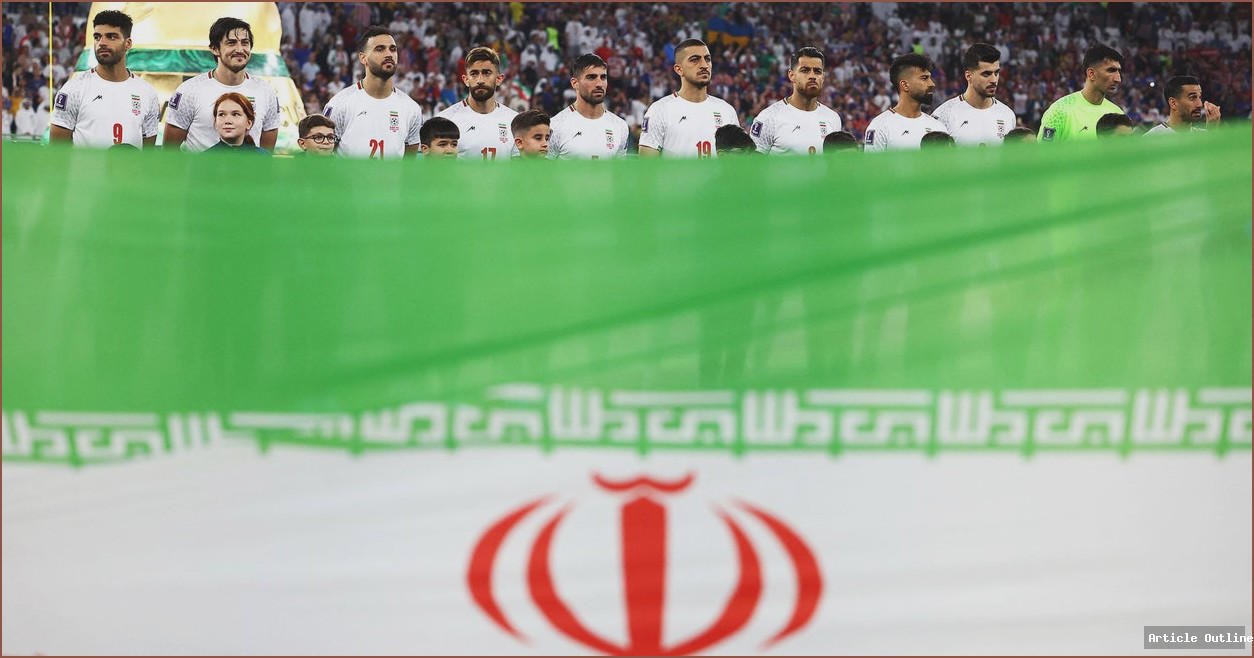
This wasn’t just another game. For Iran’s team, every minute on the pitch carried political and personal risk. In a World Cup defined by the suppression of dissent, their choice to play, their actions, and even their silence became acts of protest and solidarity with a nation in turmoil.
Why This Matters
- Players as Protesters: Iran’s team represented more than football—they symbolized resistance. By refusing to sing the national anthem earlier in the tournament, they sent a message to millions under an oppressive regime.
- Global Spotlight: With eyes worldwide on Qatar, the bravery of Iran’s players brought attention to the struggles of ordinary Iranians, particularly women fighting for basic rights.
- Sports and Politics Collide: This match shattered the old cliché that ‘sports transcend politics.’ It proved that, sometimes, the pitch is precisely where politics play out most powerfully.
What Most People Miss
- The personal stakes for Iranian players are enormous. Returning home after public acts of dissent can mean interrogation, punishment, or worse. Their courage isn’t abstract—it’s visceral.
- The US team’s diversity is a story in itself. With 12 Black players—matching the total from three prior squads combined—the US team reflects a changing America. But as one fan pointed out, the women’s team remains more successful and still paid less, highlighting ongoing gender inequities in US soccer.
- Even among fans, loyalties are complex. The bar scene described in the article shows that identity, politics, and global events shape who we root for—and why—far beyond flags and anthems.
Key Takeaways
- Iran’s players demonstrated that courage isn’t always about winning. Playing under threat, they became symbols of hope for millions.
- Sport is a powerful amplifier for social issues. The World Cup stage gave dissent a megaphone heard around the world.
- Fans’ perspectives are shifting. Many now see the game as more than competition—it’s a reflection of global injustices and a stage for solidarity.
Expert Commentary & Industry Context
Tim Weah, US player, on Iran’s team: “They displayed so much pride and love for their country and their people. They are an inspiration.”
According to human rights organizations, Iranian athletes have repeatedly faced government retaliation for supporting protest movements. The team’s silent protests echoed similar acts from athletes worldwide—think Muhammad Ali, Colin Kaepernick, and Marcus Rashford—showing how sports can drive cultural conversations.
Globally, FIFA has long tried to keep politics out of football, but events like these show that’s impossible. The real question: will sports organizations evolve to support, rather than silence, athletes taking a stand?
Timeline: Key Moments
- Pre-tournament: Iran’s players refuse to sing the national anthem—an unprecedented act.
- During tournament: International media spotlight and government warnings intensify.
- Post-match: Iranian players return home facing an uncertain—and potentially dangerous—future.
The Bottom Line
The US may have won the game, but Iran’s players won global respect. Their actions were a reminder that, sometimes, the bravest thing you can do is stand up—quietly or loudly—when the world is watching, and when your own future hangs in the balance.