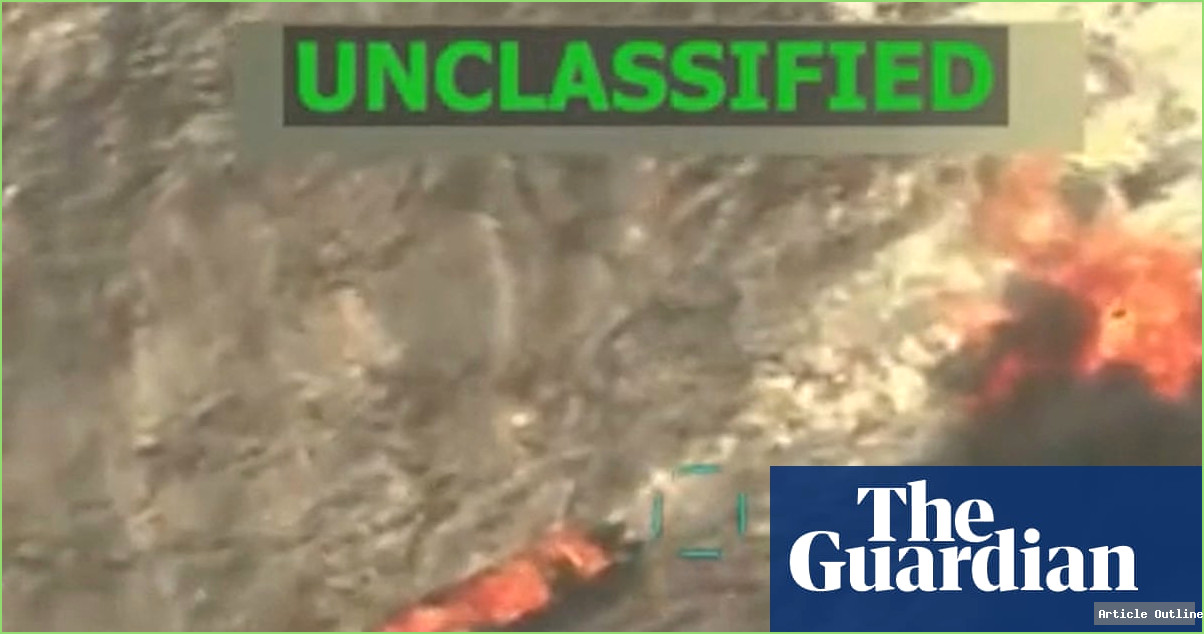
The debate over the US military’s deadly boat strikes in the Caribbean has reached a fever pitch, with lawmakers and human rights advocates demanding the release of full video footage. The incident, which took place off Trinidad’s coast, resulted in 11 deaths and has ignited a firestorm over legality, ethics, and government transparency. So why does this incident strike such a nerve—and what are the real stakes for US military policy and democratic oversight?
Why This Matters
- This incident isn’t just about a single military action—it’s about the precedent it sets for the use of force without transparency or due process.
- The controversy highlights a growing tension between national security objectives and adherence to both US and international law.
- With 83 people killed across 21 strikes since September, the campaign signals a dramatic escalation from previous interdiction strategies, raising questions about proportionality and oversight.
What Most People Miss
- This isn’t just a partisan spat—Democrats and some Republicans both express deep unease, though they differ on solutions.
- The core legal dispute: The US administration frames the strikes as military actions in an armed conflict, but experts argue that no war has been declared—making lethal force against alleged drug traffickers potentially illegal under both US and international law.
- Video evidence may be the only way to resolve conflicting narratives: Were the survivors still a threat, or were they defenseless and deserving of rescue?
- The US’s shift from interdiction and arrest to outright destruction of vessels marks a seismic change in drug policy tactics—one that could reverberate globally.
Key Takeaways & Analysis
- Transparency is non-negotiable: Multiple lawmakers, including Jim Himes and Jack Reed, have called for the release of the full video. Without public scrutiny, allegations of war crimes will linger and trust in the military erodes.
- Legal lines are blurring: Human rights groups like Human Rights Watch and Airwars warn that the US is operating outside the bounds of declared conflict, potentially violating both domestic and international law.
- Setting a dangerous precedent: As Marcus Stanley of the Quincy Institute notes, what’s to stop future administrations from using military force in law enforcement scenarios, domestically or abroad, without oversight or due process?
- Policy whiplash: The Trump administration’s campaign marks a dramatic departure from decades of US interdiction policy, traditionally focused on arrest and seizure rather than lethal force.
Timeline of Key Events
- September 2, 2025: US military conducts airstrikes on boats off Trinidad’s coast, killing 11. Video of the first strike is posted, but footage of the follow-up attack—where survivors are killed—is withheld.
- November 28, 2025: The Washington Post reports allegations that Defense Secretary Hegseth verbally ordered the killing of survivors.
- December 4, 2025: Congressional committees receive a closed-door briefing with unreleased video footage. Lawmakers emerge divided, but several call the scenes “deeply troubling” and demand public release.
- Ongoing: Human rights advocates, legal experts, and some lawmakers push for Congressional investigation and greater transparency.
Pros and Cons of Releasing the Video
- Pros:
- Public accountability and trust in government
- Potential deterrent against future abuses of power
- Clarification of facts for legal and ethical review
- Cons:
- Possible compromise of military tactics or intelligence methods
- Risk of politicizing military actions
- Potential for public backlash or diplomatic fallout
Expert Commentary
“You’re already talking about entities that don’t have any means of defending themselves. This is a totally extrajudicial process. They’re simply destroying them and killing everyone on them without any judicial process whatsoever.” — Marcus Stanley, Quincy Institute for Responsible Statecraft
“The president, even though he says it’s a conflict, he can’t just make up a conflict. There isn’t one… Nobody on those boats can be killed legally by the United States military.” — Sarah Yager, Human Rights Watch
The Bottom Line
The push to release the full boat strike video isn’t just about one tragic incident. It’s about whether the US government will be held to account for its actions abroad—and whether transparency, legality, and basic human rights will remain cornerstones of American policy.
In an era of growing executive power and secretive military campaigns, public scrutiny is more than a right—it’s a necessity. The outcome of this controversy could shape the rules of engagement for years to come. Will Congress and the Pentagon choose transparency, or will the fog of war continue to obscure the truth?