Bryan Johnson, the tech millionaire and self-experimenting longevity enthusiast, just broadcast himself tripping on a heroic dose of psilocybin mushrooms for over five hours. Some called it a circus, others saw it as a boundary-pushing moment for psychedelic acceptance. But what does this headline-grabbing livestream actually mean for the future of psychedelics, wellness, and influencer science?
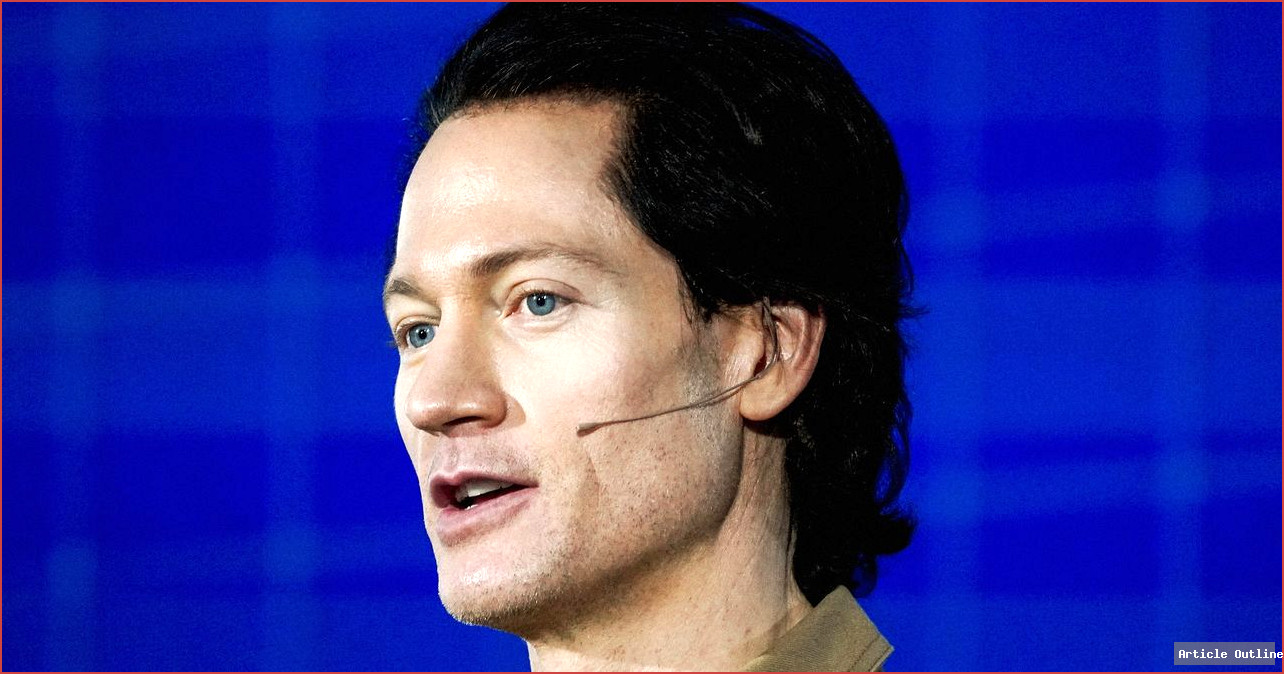
Let’s dive deep—pun intended—into the bigger story behind Johnson’s shroom show, why it matters, what most people are missing, and what this could mean for both science and spectacle.
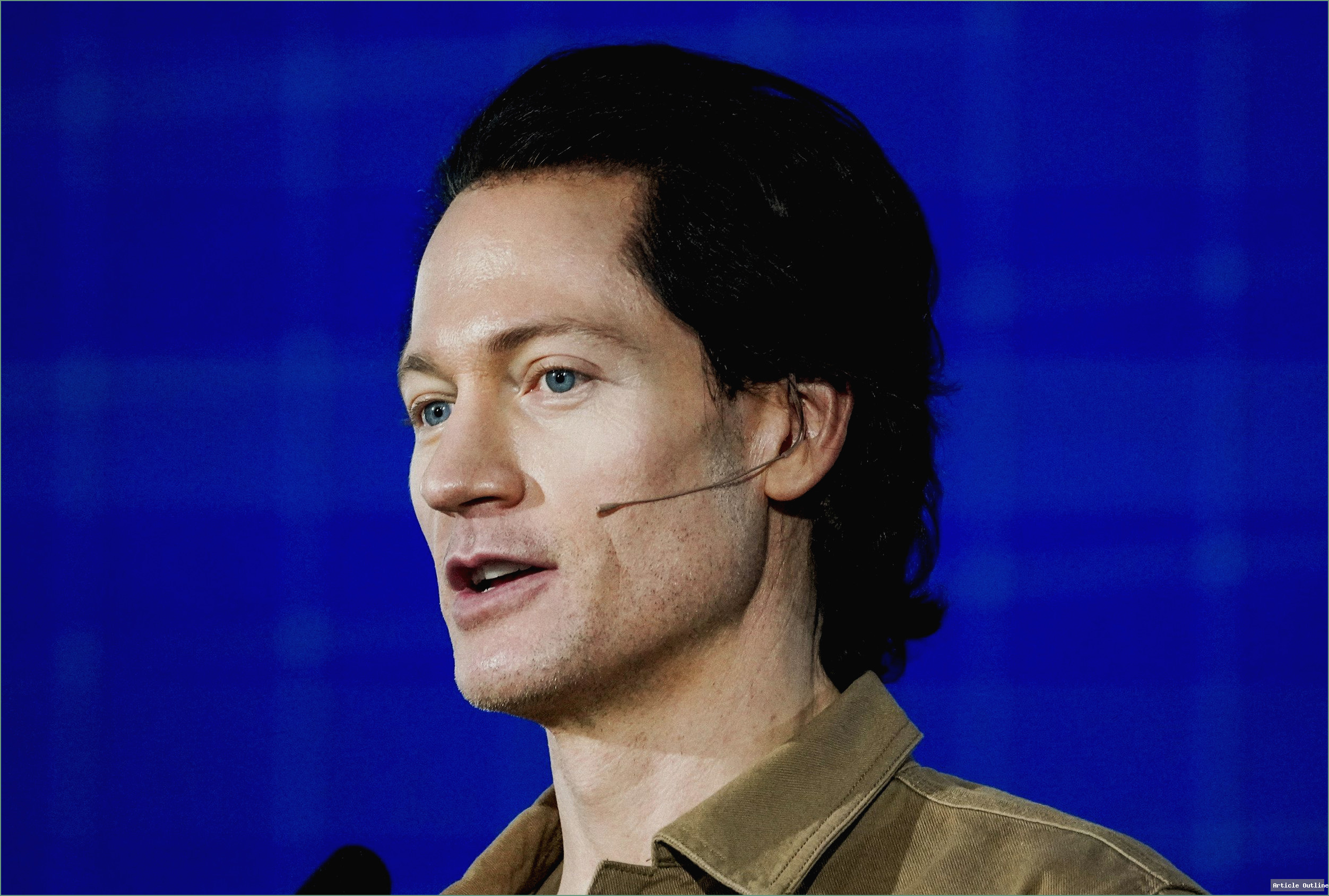
Why This Matters
- Psychedelics are at a pivotal moment. Legalization is gaining ground (Oregon went fully legal for supervised psilocybin in 2023), and clinical research shows promise for mental health and possibly even longevity. But the stigma persists.
- Johnson’s livestream could be a double-edged sword. On one hand, it demystifies psychedelics for a mainstream, often skeptical, audience. On the other, it risks turning a deeply personal, introspective experience into a viral sideshow.
- Influencer science is blurring the line between research and reality TV. Johnson’s experiment included brain scans, saliva samples, and a cast of celebrity guests, but few actual scientists. This raises concerns about how the public will interpret (or misinterpret) such stunts.
What Most People Miss
- Psychedelics are not party tricks. The most meaningful benefits—such as treating depression or PTSD—typically emerge from guided, internal journeys, not performative livestreams.
- There’s a commercial undercurrent. Johnson didn’t shill products on-air, but his supplement brand and biohacking empire get a boost from every headline. Expect more longevity-themed marketing in your feed.
- The absence of scientists speaks volumes. The broadcast featured business moguls and pop culture figures, not neuroscientists or clinicians. This is less about advancing science, more about spectacle—and maybe sales.
- The political angle is heating up. With figures like Salesforce CEO (and Trump supporter) Mark Benioff joining the conversation, the future of psychedelics could be shaped as much by billionaires and politicians as by researchers.
Key Takeaways
- Livestreaming psychedelics is a bold, risky move. It invites curiosity and controversy, but may trivialize the complexity of the experience—and the science behind it.
- Stigma reduction is real, but so is misinformation. As Hamilton Morris noted on the stream, showing the reality of psychedelics can help normalize them. But without expertise, it can also fuel pseudoscientific claims.
- This is influencer science, not peer-reviewed research. Johnson’s biomarker claims (like post-trip “multiple spontaneous erections”) are anecdotal and unverified. The lack of controls and transparency means viewers should take conclusions with a grain of Himalayan pink salt.
Industry Context and Comparisons
- The “psychedelic renaissance” is booming. Global psychedelics market is projected to reach $10.75 billion by 2027, with clinical trials underway for depression, PTSD, and addiction.
- Compare to past medicalization waves. The wellness industry’s adoption of yoga, meditation, and supplements followed similar hype cycles—first fringe, then mainstream, then monetized.
- Other influencer experiments. Think Tim Ferriss’s self-tracking, or the “Quantified Self” movement—except with more fungi and fewer spreadsheets.
Pros and Cons Analysis
- Pros:
- Reduces stigma and demystifies psychedelics for the public
- Raises awareness of ongoing clinical research
- Normalizes conversations about mental health and brain health
- Cons:
- Risk of trivializing or misrepresenting psychedelic experiences
- Blurs lines between genuine science and influencer marketing
- No clinical oversight or peer review—results may be misleading
Action Steps & Practical Implications
- Curious about psychedelics? Seek out clinical trials or licensed centers—not influencer livestreams—for safe, guided experiences.
- Be skeptical of biohacking claims without scientific backing.
- If you’re a policymaker or health professional, focus on evidence, not spectacle, as public interest grows.
“America needs science and facts back—desperately. Especially in the psychedelic movement, which is becoming a case study in what happens when high suggestibility meets low scientific literacy.”
— Colette Schmitt, Neurodelics
The Bottom Line
Bryan Johnson’s shroom livestream is a cultural Rorschach test: Is it radical transparency, egotistical theater, or a watershed moment in psychedelic normalization? Perhaps it’s all three. What’s clear is that as psychedelics move from the underground to the Instagram feed, we’ll need more science—and less spectacle—to guide the way.