New York Fashion Week is about to look very different—and it’s not just about the clothes. The Council of Fashion Designers of America (CFDA) has officially announced a fur-free future for all events on its Official NYFW Schedule starting September 2026. This isn’t just a policy tweak. It’s a seismic shift in the global fashion scene, with cultural, ethical, and industry-wide ripples.
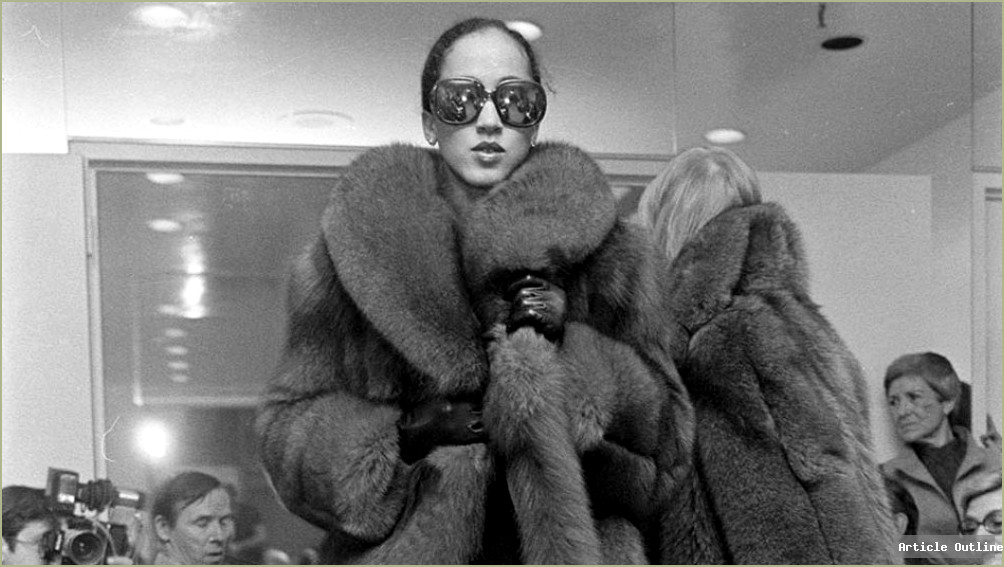
Let’s dig deeper into why this matters, what most headlines are missing, and what it means for designers, consumers, and the very definition of luxury.

Why This Matters
- NYFW’s fur ban isn’t just about animal rights—it’s about the future of fashion’s values. With this move, the CFDA aligns New York with London, Copenhagen, Berlin, and other major fashion capitals that have already turned their backs on fur.
- Consumer demand is shifting—fast. According to Market.us, the global synthetic fur market is projected to more than double from $371.3 million in 2023 to $863 million by 2033. That’s no minor trend.
- Major media (like Condé Nast, Elle, and InStyle) are also banning fur in their pages and ads. The message is clear: animal-based luxury is out, innovation is in.
What Most People Miss
- This isn’t a sudden decision. The CFDA has spent years collaborating with groups like Humane World for Animals and Collective Fashion Justice. This runway evolution is strategic, not reactionary.
- The exemption for Indigenous practices acknowledges the complexity of ethical sourcing and tradition—something rarely discussed in heated debates.
- Leather and shearling remain untouched. Critics (including PETA) see this as inconsistency, but it also shows how incremental change happens in massive industries.
Industry Context & Comparisons
- Global momentum: London Fashion Week banned fur in 2023; many European fashion weeks followed suit. The pressure is now on Milan and Paris to catch up.
- Big retailers like Neiman Marcus have already dropped fur. The faux fur sector is booming, with synthetic fur sales expected to more than double by 2033.
- Protest actions—from PETA runway disruptions to targeted campaigns against brands and editors—have kept the issue in the public eye and on the industry’s agenda.
Key Takeaways
- Fur’s era is over at New York Fashion Week, but the debate over natural vs. synthetic materials is just heating up.
- The CFDA’s phased approach (with a 2026 start) gives designers time to innovate and adapt—a rare example of industry responsibility done right.
- The move is already inspiring calls for broader bans, with some advocates pushing to eliminate all animal-derived materials (including leather and wool).
Expert Commentary
“There is already little to no fur shown at NYFW, but by taking this position, the CFDA hopes to inspire American designers to think more deeply about the fashion industry’s impact on animals. Consumers are moving away from products associated with animal cruelty, and we want to position American fashion as a leader on those fronts, while also driving material innovation.”
— Steven Kolb, CEO & President, CFDA
“The CFDA has further cemented its position as a leading, innovative fashion council on the global stage by formally moving beyond unethical and unsustainable animal fur.”
— Emma Hakansson, Collective Fashion Justice
“Whenever a fashion entity denies the ability to promote all fashion, especially those fashions that utilize a natural product—they are no longer in the business of fashion… Fur is everlasting. Nothing will keep you warmer or make you feel more stylish.”
— Kim Salvo, American Fur Council
Pros & Cons of the Fur Ban
- Pros:
- Accelerates material innovation and sustainable alternatives.
- Meets growing consumer demand for cruelty-free fashion.
- Strengthens NYFW’s global ethical leadership.
- Cons:
- Potential loss of jobs and tradition in the fur industry.
- Sparks debate about the sustainability of synthetics vs. natural fur.
- Doesn’t address broader use of animal products—yet.
The Bottom Line
This is more than just a ban on fur—it’s a turning point in fashion’s relationship with ethics, sustainability, and innovation. Whether you cheer or lament the move, one thing is certain: the definition of luxury is changing, and New York is leading the charge.