Electric vehicles (EVs) are often touted as low-maintenance marvels—but is the reality as simple as the sales pitch? If you’re considering an EV, or already own one, understanding the true nature of EV care is crucial to maximizing your investment and keeping your ride in top shape. Let’s dig deeper than the usual talking points and reveal the real-world nuances of electric car maintenance.
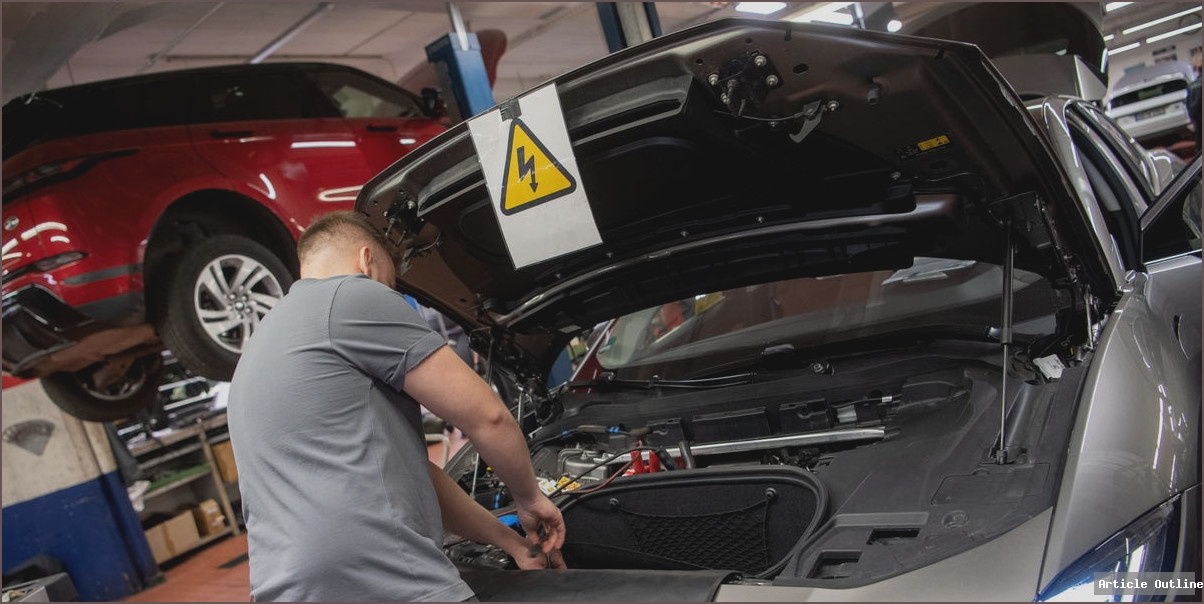
Why This Matters
EV adoption is surging worldwide, with global sales projected to hit 17 million units in 2024 (IEA). But myths persist: “No oil changes means no headaches, right?” Not quite. While EVs have fewer moving parts and require fewer traditional maintenance tasks, they introduce new priorities and costs. Battery longevity, tire wear, and specialized cooling systems are now front and center. If you ignore or misunderstand these, you risk unexpected bills and a shorter vehicle lifespan.
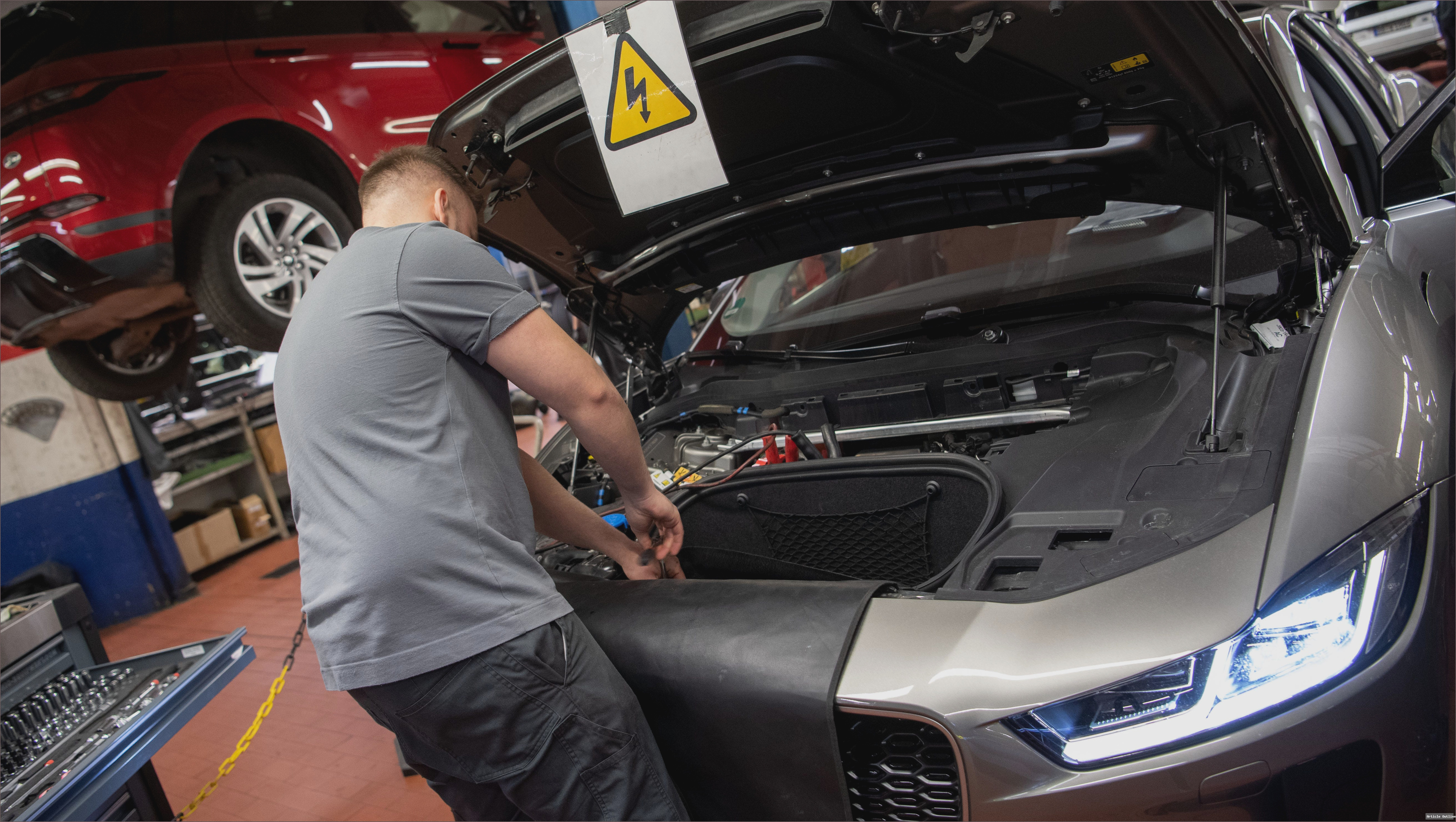
What Most People Miss
- High replacement costs for EV-specific parts: While you may save on engine maintenance, replacing an EV battery can cost $5,000–$20,000, depending on the model and warranty coverage.
- Tire wear is often worse on EVs: Due to extra battery weight and instant torque, EV tires can wear out 20–30% faster than gas counterparts.
- Regenerative braking extends brake life, but can also lead to neglected brake calipers, especially in snowy climates where corrosion is an issue.
- Fast charging is convenient but can speed up battery degradation and cost far more than home charging—sometimes approaching the price of fueling a gas car per mile.
Key Takeaways
- Batteries last 12–15 years in moderate climates, 8–12 in harsh ones. Avoid constant fast charging and keep battery between 20%–90% for best longevity.
- EVs still need routine checks: cooling systems, brake fluid, tire rotation, and windshield wipers/fluids.
- Tire replacements can be surprisingly expensive—one Tesla Model 3 owner spent $1,157 after just 30,000 miles.
- Hybrids and plug-in hybrids share some EV maintenance perks, like longer brake life, but retain much of the regular gas-car service schedule.
Comparison: EVs vs. Gasoline Cars vs. Hybrids
| Maintenance Task | EVs | Gasoline Cars | Hybrids |
|---|---|---|---|
| Oil Changes | No | Yes (frequent) | Yes |
| Battery Replacement | Expensive, rare | Cheap, frequent (12V) | Both types |
| Tire Wear | Often higher | Standard | Standard |
| Brake Pad Life | Long (regen braking) | Shorter | Long (regen braking) |
| Cooling System | Yes, specialized | Yes, simpler | Both types |
Expert Insights & Industry Context
- Stat: According to Consumer Reports, EV owners spend about 50% less on maintenance over the first 10 years compared to gas-car owners. But single big-ticket items (like battery or tires) can quickly erase those savings if neglected.
- Trend: Automakers are increasingly building in software to limit battery charge/discharge extremes automatically—Tesla, Ford, and others now recommend routine software updates as part of maintenance.
- Tip from the Trenches: “If you live in a region with heavy road salt, get your brake calipers lubricated yearly. Rusted brakes on an EV are a silent, expensive problem,” warns a longtime Tesla service technician.
Practical Action Steps for EV Owners
- Stick to 80–90% daily charging unless a road trip demands more.
- Rotate and check tire tread every 6,000–8,000 miles—don’t wait for a warning light.
- Schedule annual brake inspections, especially if you rarely use friction brakes.
- Monitor coolant and wiper fluids, as you would with any car.
- Limit fast charging to trips, not daily use—your wallet and battery will thank you.
The Bottom Line
Owning an EV can be easier on your schedule and pocketbook—but only if you understand the unique demands of electric powertrains. Maintenance is different, not non-existent. Stay proactive, follow your manufacturer’s guidance, and don’t ignore the basics—or you may find your “cheap to run” EV suddenly isn’t so cheap after all.