Electric vehicles (EVs) have flipped the script on automotive engineering. Gone are the days when knowing your way around a carburetor or timing belt was enough. Now, the heart of an EV—the electric motor—demands a new kind of literacy. But don’t be fooled by their apparent simplicity. Each EV motor packs more intrigue than you might expect, and the choices automakers make have big implications for drivers, the industry, and even geopolitics.
Why This Matters
Understanding EV motor types isn’t just for engineers—it shapes cost, performance, reliability, and the global supply chain. As electric cars go mainstream, the choice of motor affects:
- Driving experience (acceleration, range, towing capability)
- Environmental impact (rare earth mining, recyclability)
- Vehicle price and maintenance
- Energy efficiency and charging frequency
Key Takeaways with Expert Insights
- Three main motor types dominate EVs: Induction, Permanent-Magnet Synchronous (PMSM), and Current-Excited Synchronous motors.
- Induction motors (famously used by early Teslas) don’t rely on rare earths—good for cost and geopolitics, but they’re heavier and less efficient at low speeds.
- Permanent-magnet motors are super efficient and common in today’s EVs, but they depend on rare earths, which come with environmental and supply chain risks.
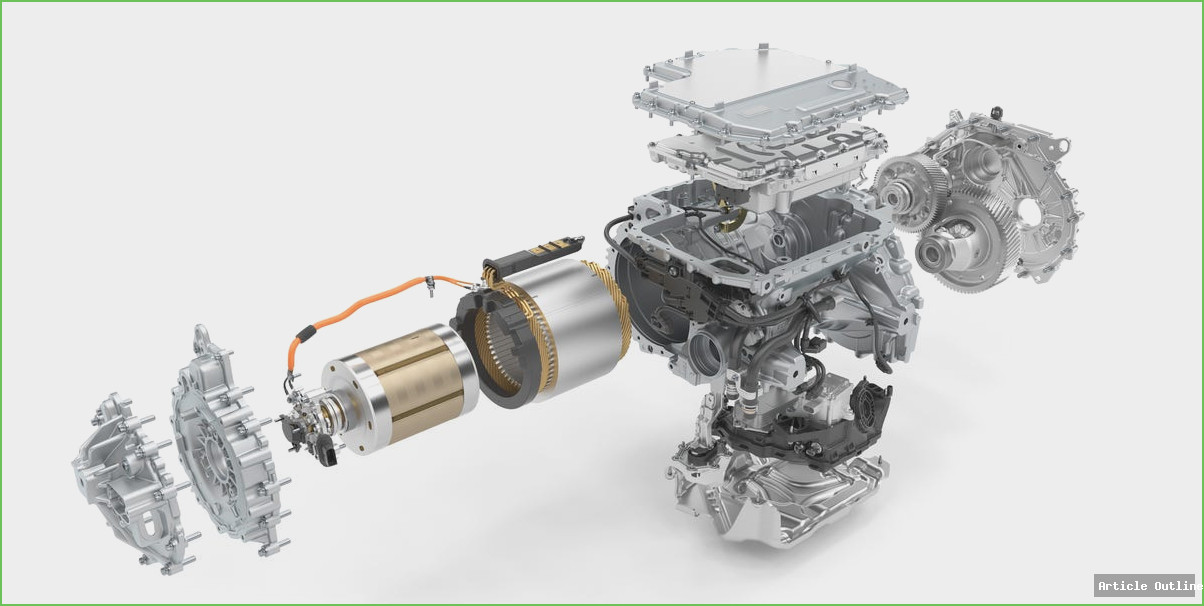
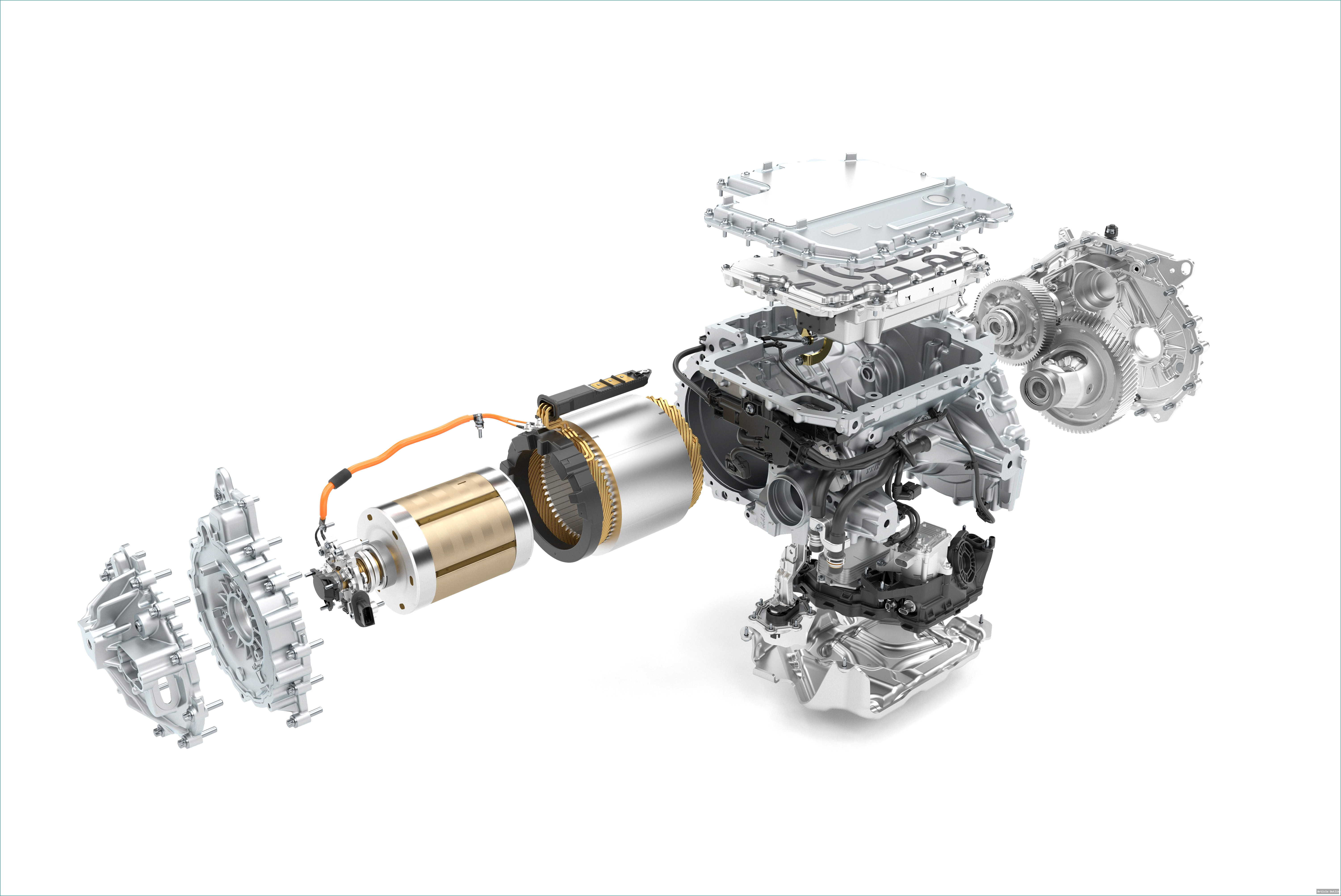
- Current-excited motors (like BMW’s latest) ditch rare earths entirely, using clever copper windings instead. They’re a wild card—potentially cheaper and greener but with open questions on long-term durability and efficiency.
- Regenerative braking is not just a gimmick—it’s critical for range, but not as efficient as you might think compared to simple coasting.
What Most People Miss
- Motor choice is now a major differentiator between EV brands—think of it as the new ‘engine wars’ of the electric era.
- There’s no “one size fits all.” Smaller EVs may favor simple, efficient motors, while heavy trucks or performance cars need more complex solutions.
- Industry is rapidly evolving. Ten years ago, Tesla’s use of induction motors was considered futuristic. Now, even they’ve switched to a hybrid approach with permanent magnets for efficiency.
- Rare earth supply—and its environmental cost—could limit permanent-magnet motor dominance. Rising prices (already up 30% in the past two years) and political pressures are forcing carmakers to experiment.
Comparisons, Trends, and Context
- Induction Motors: Cheap, robust, proven—great for high-power bursts (like sports cars) but less efficient for daily driving.
- Permanent-Magnet Motors: King of efficiency and compact size—why most new EVs (including the Mustang Mach-E and Hyundai Ioniq 5) use them. But they’re vulnerable to rare earth price swings.
- Current-Excited Synchronous Motors: Emerging alternative—BMW’s i4 and iX are the first mainstream adopters. These motors could reduce costs and environmental impact if reliability matches up.
Timeline: Evolution of EV Motors
- Pre-2010: Induction motors dominate (Tesla Roadster, Model S).
- 2010–2020: Shift to PMSM for efficiency (Nissan Leaf, Chevy Bolt, Model 3/Y).
- 2021–present: Experiments with current-excited motors (BMW i4/iX), hybrid approaches, and even two-speed transmissions for trucks.
Pros and Cons Analysis
| Motor Type | Pros | Cons |
|---|---|---|
| Induction | No rare earths, proven, robust | Heavier, less efficient at low speeds |
| PMSM | Efficient, compact, high torque | Requires rare earths, pricey magnets, heat at high speeds |
| Current-Excited | No rare earths, tunable | Complexity (brushes), efficiency at low speeds uncertain |
Practical Implications for Buyers
- Ask about the type of motor when shopping for an EV—especially if towing or high efficiency matters to you.
- Expect rapid change: The next five years will likely see new motor innovations as brands seek cost, efficiency, and supply chain advantages.
- Regenerative braking is great—but don’t count on it to save you from bad driving habits. Coasting still rules for top efficiency.
The Bottom Line
The real story behind EV motors is one of constant innovation, supply chain chess, and a battle for efficiency. As the industry matures, expect new motor types and unexpected shifts—just like in the early days of combustion engines. If you want to future-proof your EV purchase, keep an eye on what’s spinning under the hood. The next breakthrough could redefine the entire electric car landscape.