The revelation of significant racial bias in UK police facial recognition technology isn’t just another tech glitch—it’s a wake-up call for law enforcement, policymakers, and the public. The recent report from the National Physical Laboratory (NPL) exposes that the system is far more likely to misidentify Black and Asian individuals than white individuals, raising urgent questions about fairness, accountability, and the role of AI in policing.
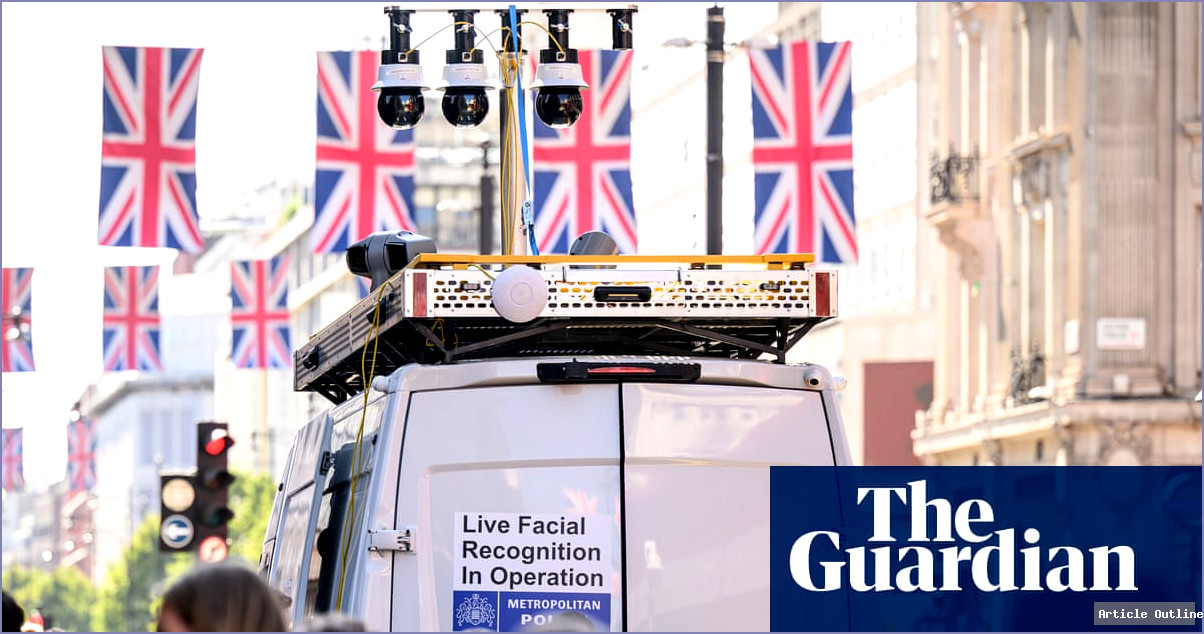
The Information Commissioner’s Office (ICO) is now demanding “urgent clarity” from the Home Office, as public trust hangs in the balance—and for good reason. When the tools designed to keep society safe risk disproportionately harming already marginalized groups, it’s not just a technical issue but a societal one.
Why This Matters
- Racial bias in policing technology can amplify existing inequalities, undermining the legitimacy of law enforcement and the very idea of justice.
- False positives lead to wrongful stops, searches, and potential arrests—with real consequences for individuals and communities.
- As the UK considers expanding this technology into public spaces like shopping centres and stadiums, the stakes for getting it right have never been higher.
What Most People Miss
- The data is shocking: The false positive identification rate (FPIR) for Asian subjects is 4.0%, and for Black subjects, 5.5%—compared to just 0.04% for white subjects.
- The bias is even worse for Black women, with an FPIR of 9.9%. This isn’t just a minor calibration issue; it’s a fundamental flaw.
- Despite ‘regular engagement’ with Home Office officials, the ICO was kept in the dark until now. The lack of transparency deepens mistrust.
- The Home Office claims to have procured a new algorithm with ‘no statistically significant bias,’ but independent verification is essential. Oversight must not be an afterthought.
Key Takeaways: Our Analysis
- This is not an isolated incident. Facial recognition systems worldwide—from the US to China—have faced similar criticism. A 2019 MIT study found commercial systems misidentified Black women 35% of the time versus less than 1% for lighter-skinned men.
- Trust is fragile. Public confidence in policing relies on transparency and perceived fairness. A biased system, even if “fixed” later, leaves deep scars.
- Technology is only as good as its training data and oversight. If historical data reflects bias, the algorithm will perpetuate it. Regular, independent audits are critical.
How Did We Get Here? A Timeline Snapshot
- Facial recognition tech integrated into UK police national database (date varies by force).
- National Physical Laboratory tests reveal high false positive rates for ethnic minorities.
- ICO asks for “urgent clarity” and threatens possible enforcement, including fines or halting usage.
- Home Office claims to have implemented a new, less biased algorithm and commissions further reviews.
Action Steps & Practical Implications
- Demand independent verification of any new algorithms before wider deployment.
- Insist on transparency: Public bodies must notify oversight agencies immediately upon discovering bias.
- Resist scaling up until safeguards are robust. The push for more cameras in public spaces must not outpace ethical checks.
- Push for public consultation and ongoing monitoring to rebuild trust.
“While we appreciate the valuable role technology can play, public confidence in its use is paramount, and any perception of bias and discrimination can exacerbate mistrust.” – Emily Keaney, Deputy Commissioner, ICO
The Bottom Line
Facial recognition tech in policing is a double-edged sword: It promises efficiency and safety, but unchecked, it risks deepening social divides. The conversation must now shift from technical fixes to systemic accountability. The public deserves more than reassurances—they deserve proof that justice won’t be an algorithmic accident.