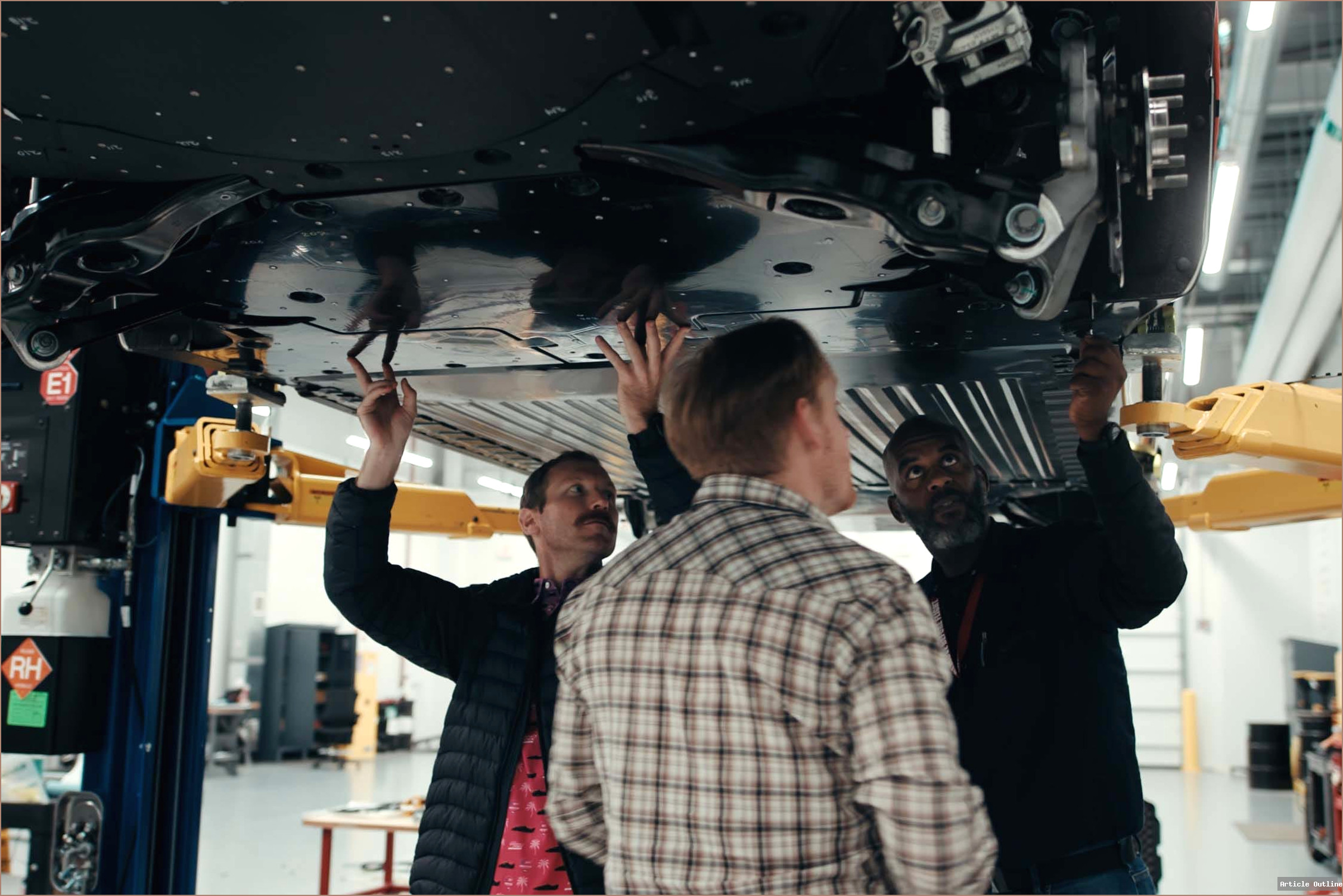
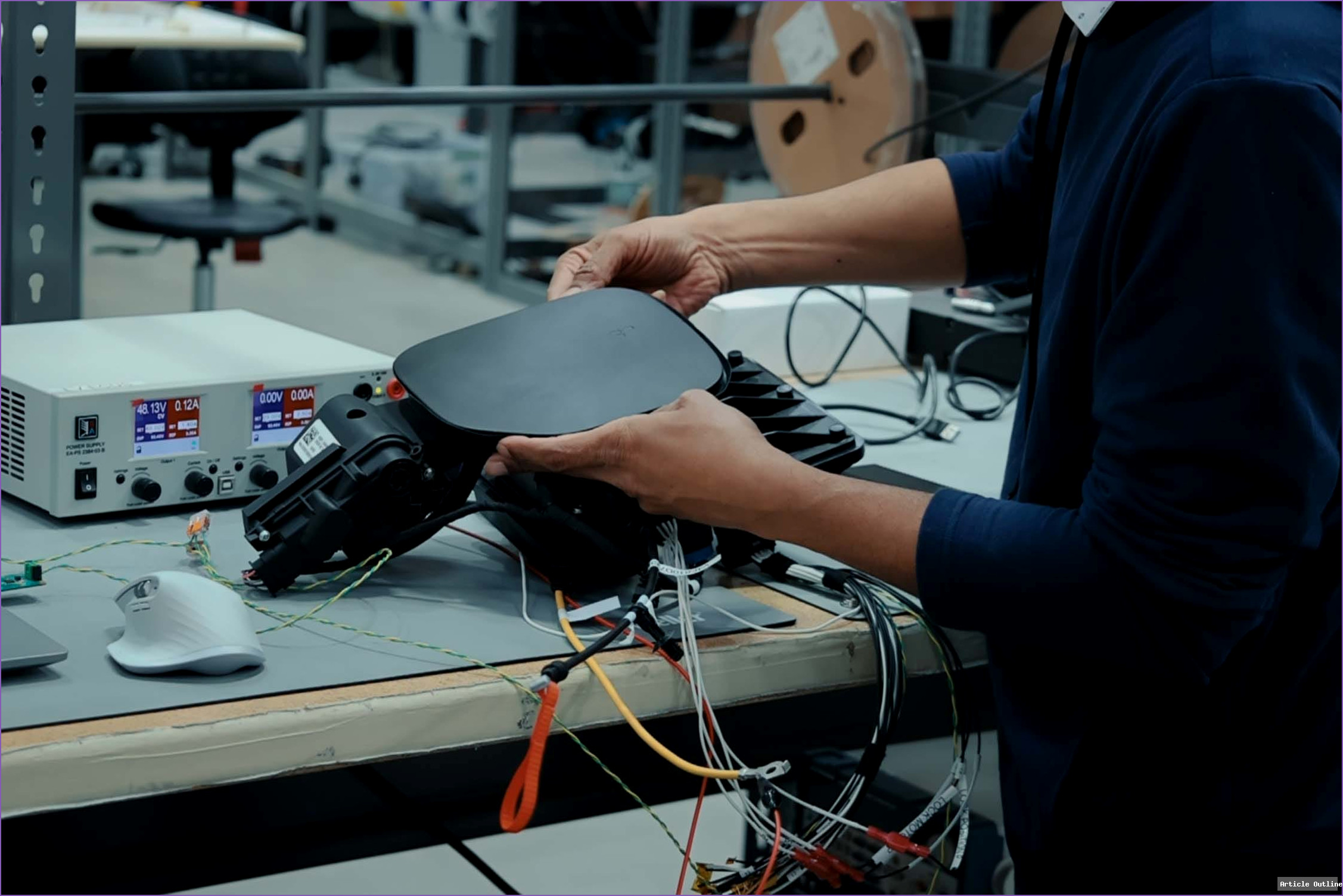
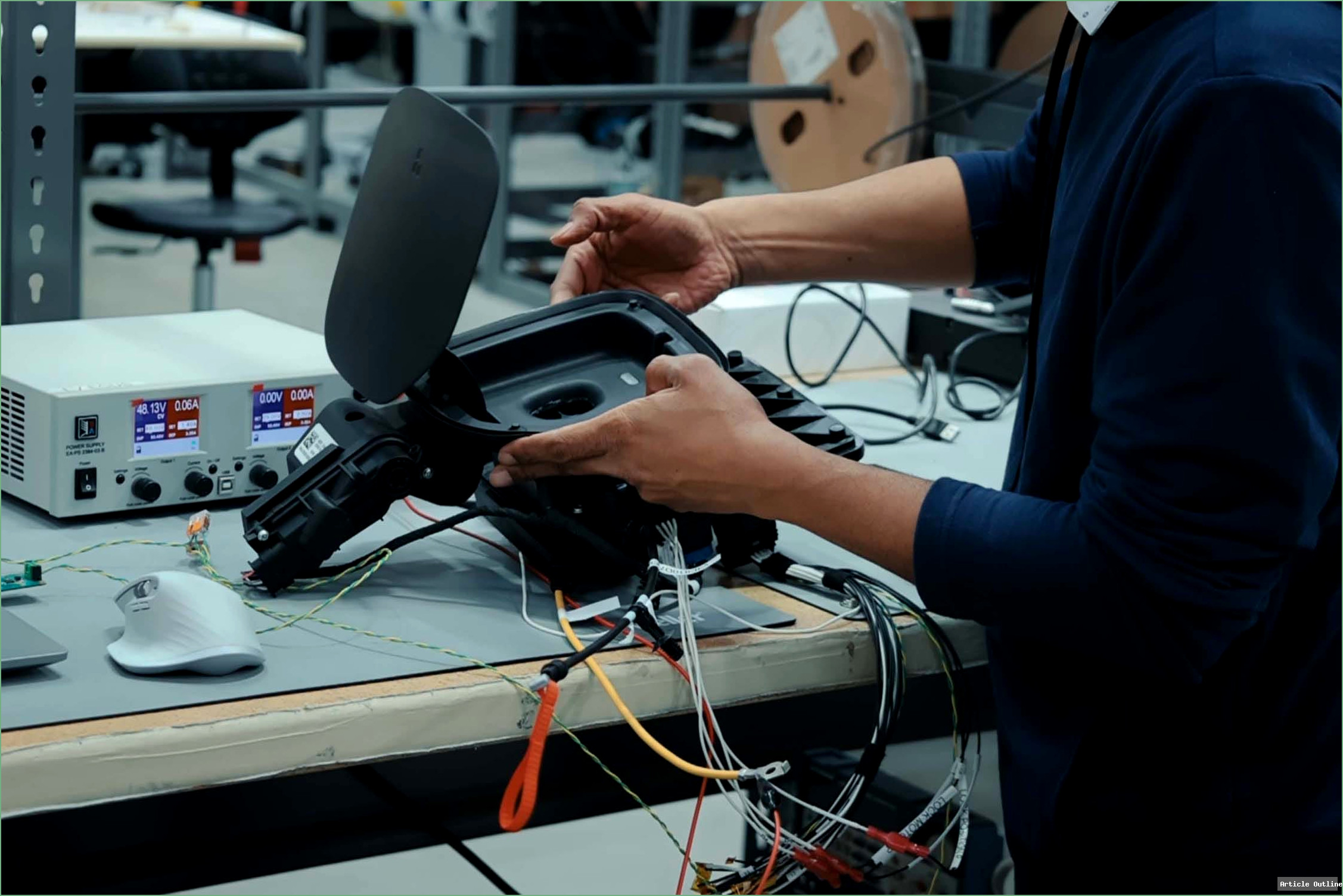
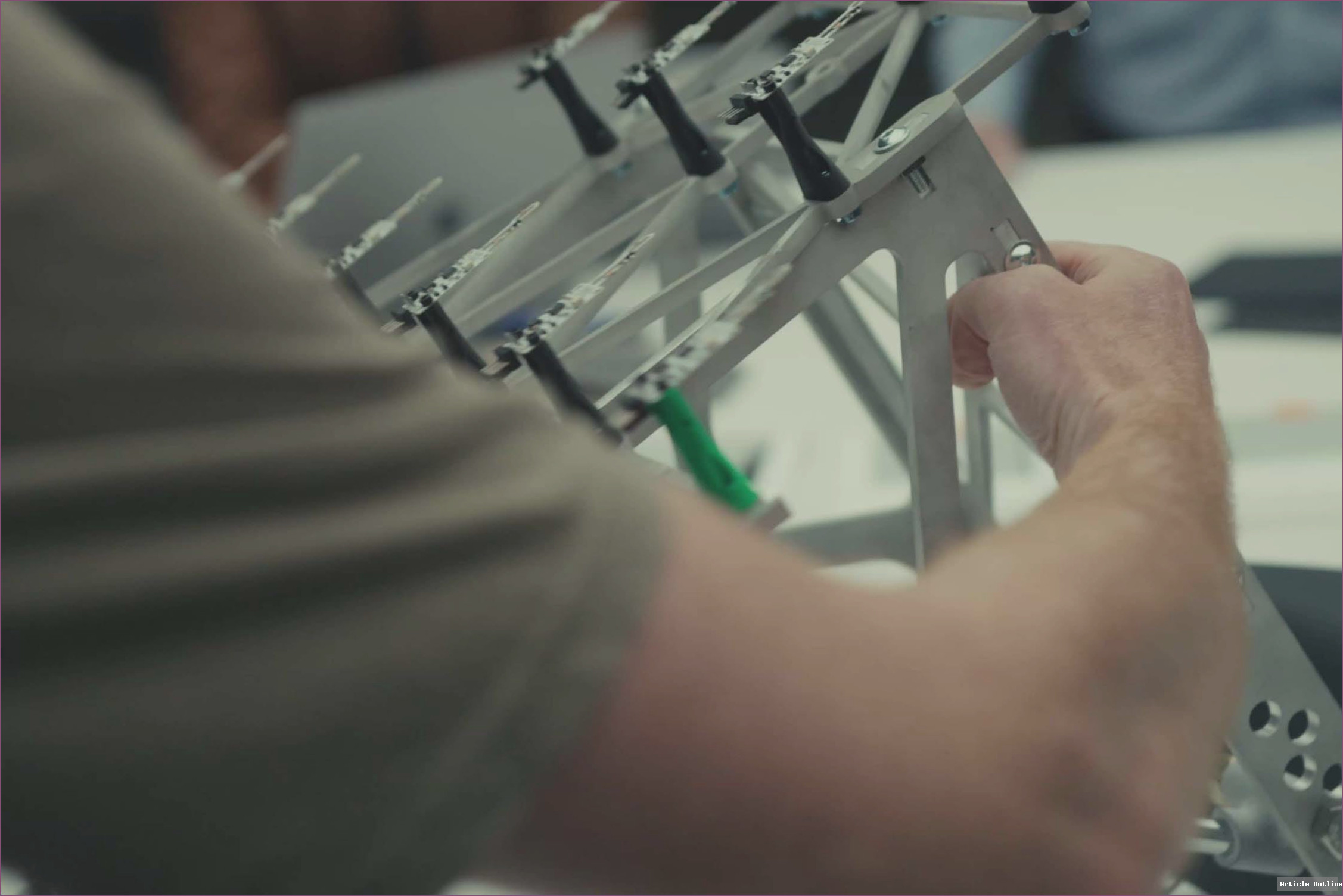
The electric truck market is about to get a seismic jolt. Ford’s upcoming 2028 mid-size electric pickup, developed from scratch, isn’t just another plug-in truck—it’s a full-blown rethink of what a workhorse can be in the EV era. The latest behind-the-scenes images from Ford’s tech briefing offer a rare window into the obsessive engineering powering this project. But the real story goes way deeper than slick prototypes and wind-tunnel wizardry.

Why This Matters
- Ford is betting big on electrifying America’s favorite vehicle class: the pickup. The F-Series has topped U.S. sales for over four decades. If Ford can nail an affordable, efficient EV truck, it could tip the scales for mainstream EV adoption.
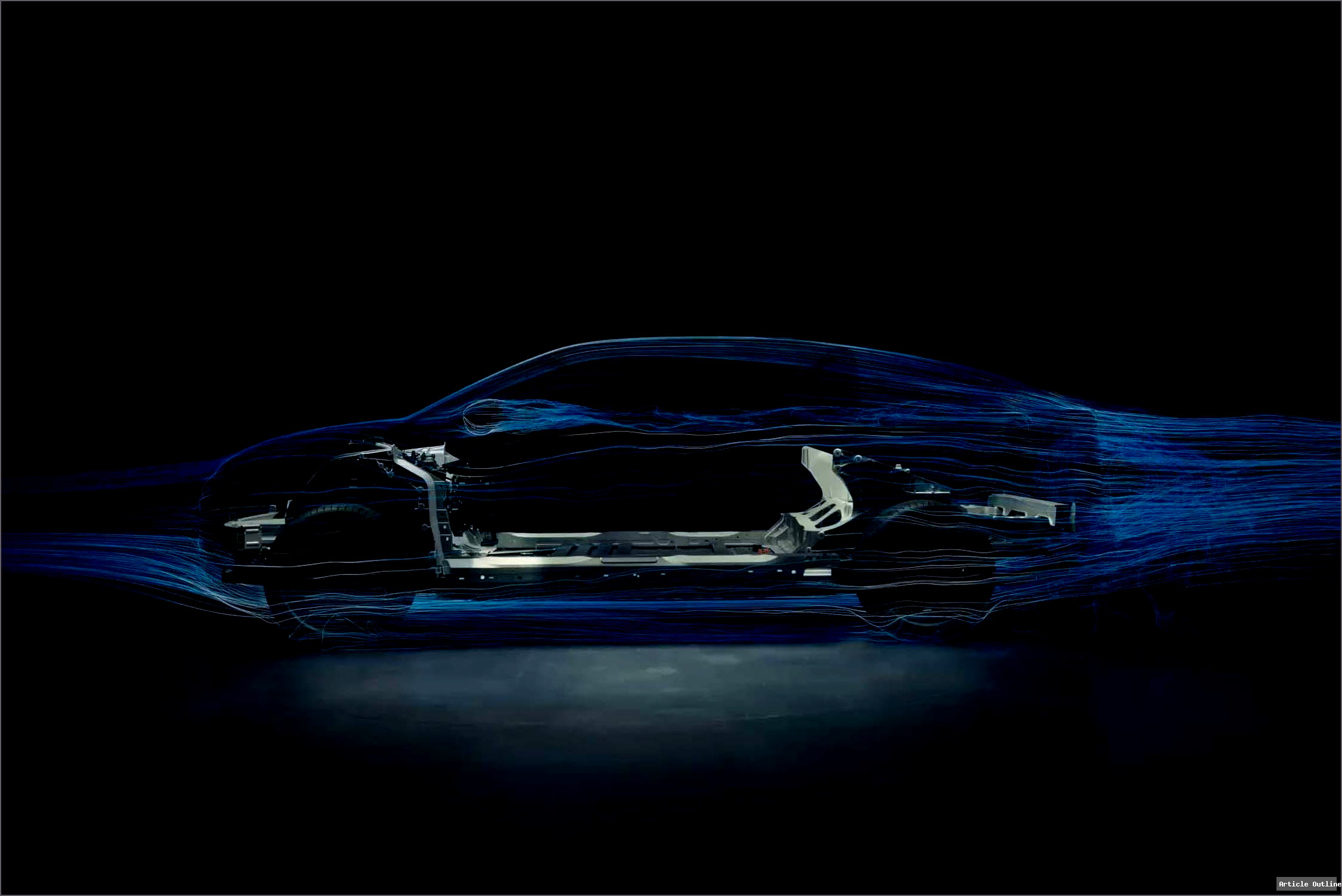
- Aerodynamics and efficiency are at the heart of the 2028 project. Every detail—from 3D-printed wind-tunnel parts to shrink-wrapped side mirrors—reflects Ford’s determination to squeeze out every last mile of range and every cent of cost.
- The Universal EV Platform is a fresh start. Unlike the F-150 Lightning (adapted from a gas model), this new truck is being engineered as an EV from day one, promising better packaging, lower weight, and more innovation.
What Most People Miss
- Tiny tweaks add up. For instance, the new door mirrors are 20% smaller, saving cost and adding 1.5 miles of range. That’s an engineering “bounty” you rarely hear about in flashy reveals.
- Racing tech is sneaking into the pickup world. Ford’s team uses Formula 1-style aero rakes and even sprays Teflon on tires for wind-tunnel accuracy—methods borrowed from the racetrack, now powering your future work truck.
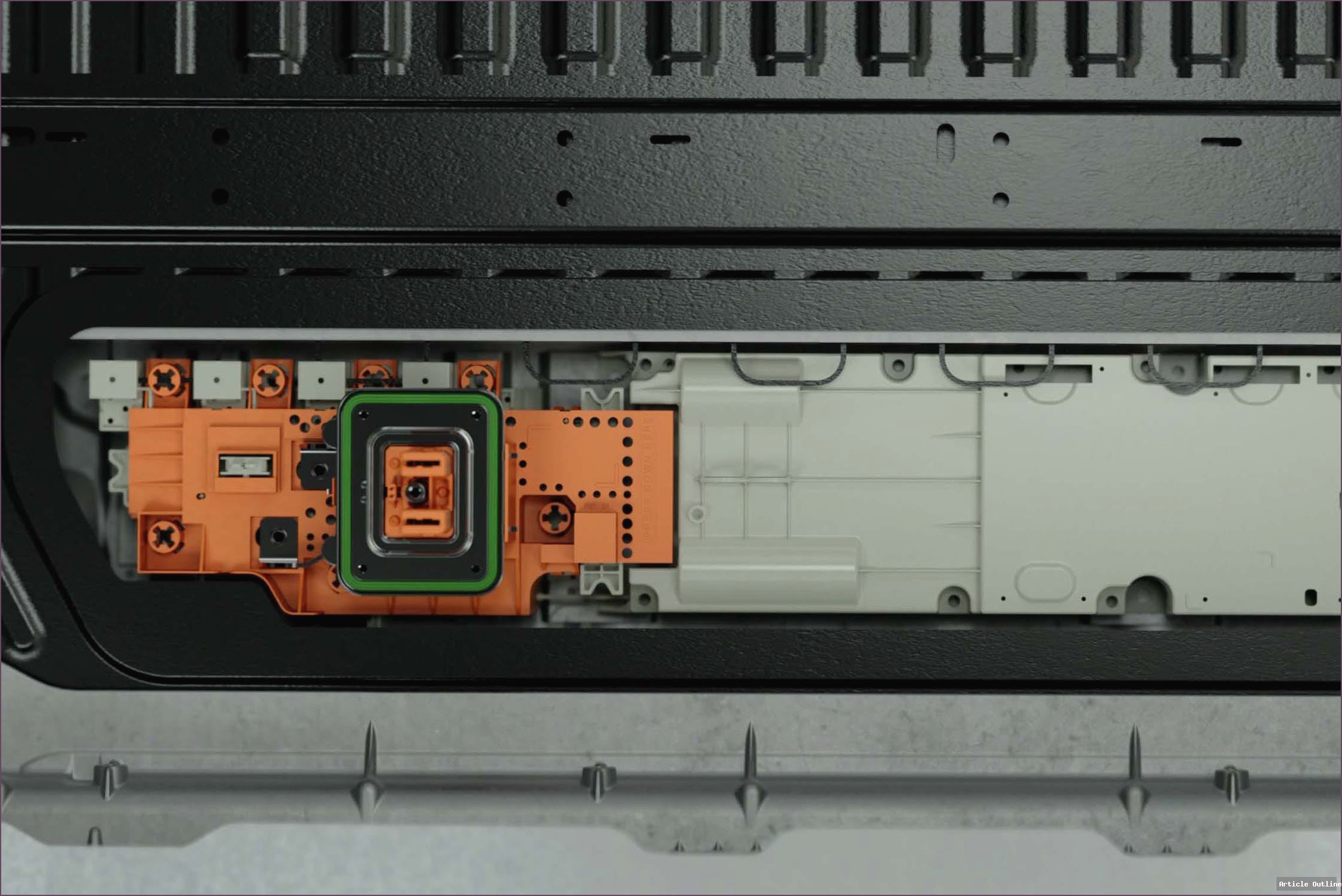
- Bidirectional power is going mainstream. The E-box module doesn’t just control battery management—it can power your home during outages, just like the Lightning. This could transform how we think about vehicle utility in the age of extreme weather.
Key Takeaways
- Lithium Iron Phosphate (LFP) batteries are being used for their lower cost, safety, and stability, potentially making the truck more affordable—and durable—than lithium-ion rivals.
- 3D printing accelerates innovation. Ford’s engineers prototype aero parts overnight, test them the next day, and iterate at breakneck speed. That’s a huge leap from the days of clay models and months-long tooling delays.
- Ford’s “bounty” system fosters healthy, data-driven competition among engineers to hit ever-tougher efficiency targets—think Silicon Valley meets Motor City.
Industry Context & Comparisons
- While Ford’s F-150 Lightning targets the full-size segment, the 2028 truck takes on the mid-size market, where the Chevy Colorado, Toyota Tacoma, and Rivian R1T are major players.
- Ford’s focus on wind-tunnel optimization and energy management echoes Tesla’s Model Y development, but applied to a much tougher, utility-focused platform.
- Pro tip: LFP batteries are the chemistry of the moment in China, powering millions of EVs. Their inclusion signals Ford’s intent to stay price-competitive globally.
Pros and Cons
| Pros | Cons |
|---|---|
|
|
Action Steps & Practical Implications
- Truck shoppers: Start paying attention to smaller details (like aero mirrors and battery chemistries) that will impact real-world usability.
- Fleet managers: Begin planning infrastructure for bidirectional charging—your trucks might power your buildings during the next blackout.
- EV skeptics: Watch this space. If Ford delivers, the last major EV adoption hurdle—work-capable, affordable trucks—might finally fall.
Quotes That Sum It Up
“We’re not just chasing numbers—we’re designing the future of trucks from the ground up,” said Akshaya Srinivasan, vehicle efficiency lead. And it shows.
The Bottom Line
Ford’s 2028 electric pickup isn’t just a new model—it’s a paradigm shift. The obsessive attention to aerodynamic tweaks, cost-saving innovations, and real-world utility features signals that the next generation of trucks will be smarter, more efficient, and far more versatile than anything that’s come before. If you think EV trucks are just a fad, it’s time to think again.
Sources: