Ford’s decision to cease production of its all-electric F-150 Lightning—once hailed as the future of American trucks—signals a jarring shift in the electric vehicle (EV) landscape. While headlines will focus on the death of a flagship EV, the deeper story reveals seismic changes in consumer demand, regulatory policy, and the raw economics of electrification.
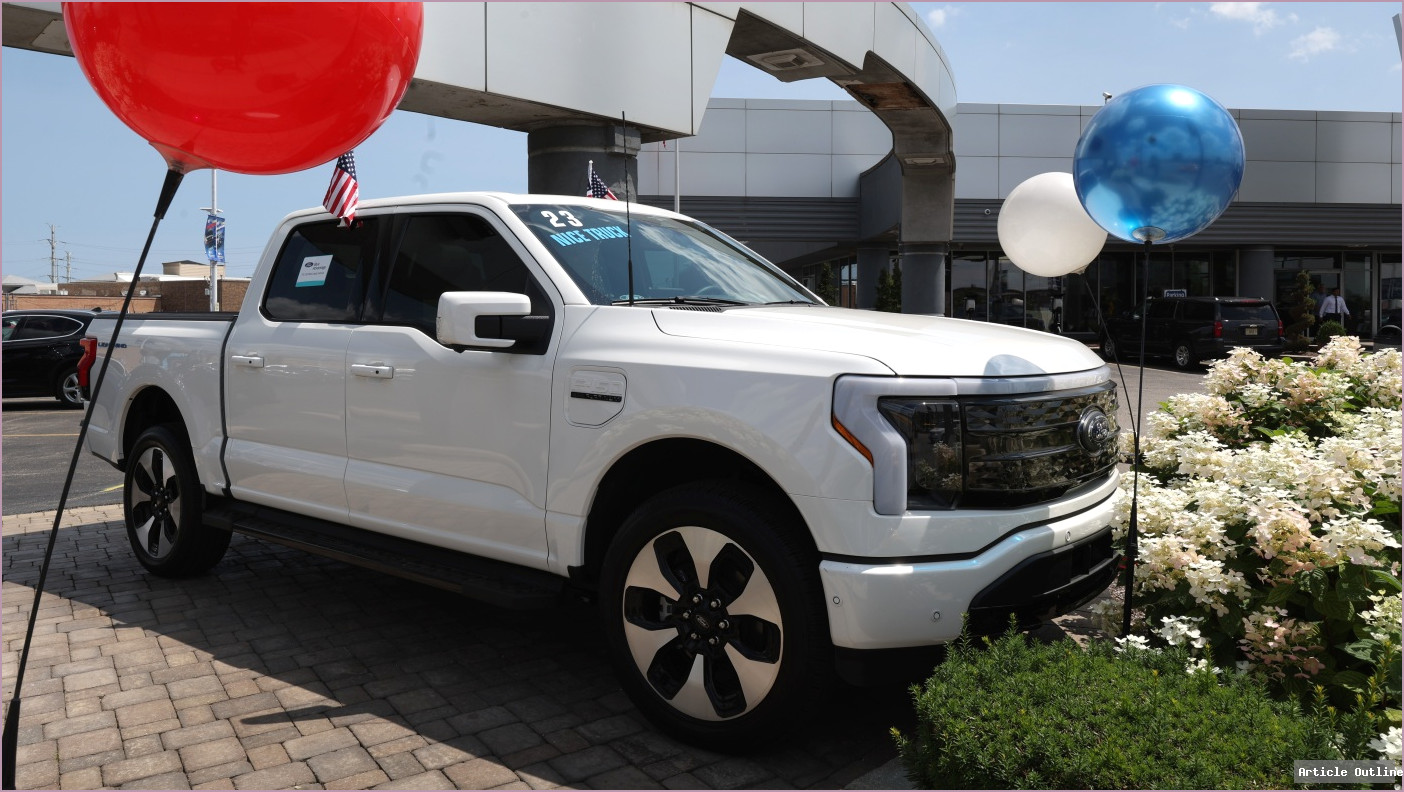
The F-150 Lightning’s demise isn’t just about one truck model—it’s a cautionary tale for the entire automotive sector, and a signpost for what comes next in the race to electrify America’s roads.

Why This Matters
- Ford’s retreat highlights a mismatch between EV hype and real-world adoption, especially for large, expensive vehicles.
- Regulatory headwinds are changing fast: the rollback of federal EV incentives and emissions standards means automakers are no longer pressured—or financially motivated—to keep unprofitable EVs in production.
- Ford’s pivot to hybrids and smaller, more affordable EVs (with a $30,000 target) suggests a major industry recalibration.
Key Takeaways: The Real Story Behind the Lightning’s End
- Profitability Trumps Innovation: Ford lost money on every Lightning sold, even after raising prices well above the originally promised $40,000. The 2025 models started around $55,000, pricing out many buyers.
- Consumer Behavior is King: As Andrew Frick, Ford’s president of Ford Blue and Model e, said: “The American consumer is speaking clearly…” Ford is following the money—and customers want capability and affordability, not just electrification.
- Policy Shifts Change the Game: The Trump administration’s rollback of EV incentives, emissions standards, and the $7,500 tax credit pulled the rug out from under electric truck economics. Ford is no longer penalized for selling more gas-powered vehicles.
- The Lightning Legacy Continues—Sort Of: The name survives as a plug-in hybrid, which offers the practical advantage of a gasoline generator for range anxiety, blending electric torque with fossil-fuel reliability.
What Most People Miss
- The “failure” of the Lightning isn’t about EV technology—it’s about the challenge of electrifying big, heavy vehicles that Americans expect to do “truck stuff.” The Lightning struggled with towing range, reliability, and cost—dealbreakers for core truck buyers.
- Ford’s big bet on battery factories isn’t a total loss. The company is pivoting to sell stationary batteries to support the power grid, a booming market thanks to the rise of renewables and the data center explosion. That’s a twist most industry-watchers didn’t see coming.
- The pivot to smaller, cheaper EVs is a tacit admission: mass adoption will happen at the mainstream, not luxury, end of the market. Ford’s new $30,000 midsize EV pickup could finally crack the code.
Timeline: From EV Hero to Hybrid Hope
- 2021: F-150 Lightning announced with $40,000 price tag and huge fanfare.
- 2023: Wins multiple “Truck of the Year” awards; struggles emerge with reliability and towing range.
- 2024: EV sales fall short of expectations; federal EV policies reversed.
- 2025: Ford discontinues all-electric Lightning, pivots to hybrid and smaller EVs, repurposes battery factories for grid storage.
Industry Context: How Does This Stack Up?
- Rivian and Tesla’s Cybertruck: Both have faced similar challenges—high costs, reliability concerns, and a niche market for big electric trucks. The segment is still in its infancy.
- PHEVs (Plug-in Hybrids) Are Back: With buyers worried about range and charging, hybrids offer the best of both worlds. Ford’s move mirrors Toyota’s long-held strategy.
- The Grid Storage Boon: Stationary batteries are a fast-growing market, reaching a global value of $10 billion in 2023 and projected to double by 2027.
Pros and Cons: Ford’s Strategic Pivot
- Pros:
- Focuses investment where demand and profit potential are highest.
- Reduces risk from regulatory whiplash.
- Leverages battery investment for new business lines.
- Cons:
- Signals retreat from EV leadership—potential brand and innovation setback.
- Leaves early Lightning buyers in limbo for support and resale value.
- Massive write-offs and sunk cost in now-idled production lines.
The Bottom Line
Ford’s F-150 Lightning was a milestone—but also a warning. Electrifying America’s best-selling vehicle was always an audacious bet. The reality: mass-market EV trucks aren’t ready for prime time unless they can match gas trucks for price, range, and reliability. In a volatile policy environment, automakers need to move fast and stay flexible. The next chapter in EV adoption will be written by smaller, more affordable rides—not the giant, glitzy flagships.