Frank Gehry, the maverick architect who turned buildings into global destinations, has passed away at 96. But his influence on art, design, and the very idea of what architecture can be is just beginning to be understood.
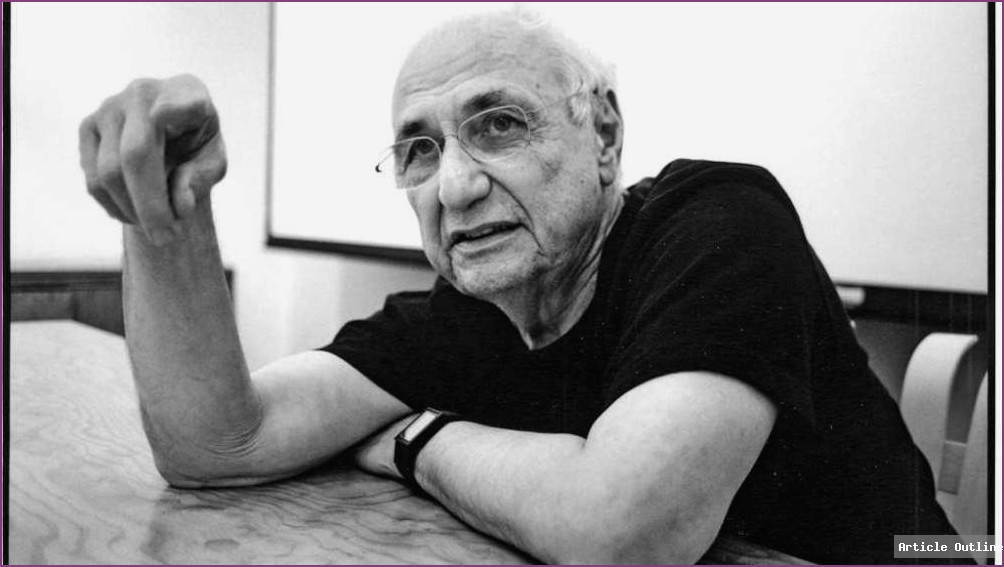
Gehry wasn’t just a designer—he was a rule-breaker who reshaped skylines and, more importantly, reshaped the way we experience space and emotion. His Guggenheim Museum in Bilbao, Walt Disney Concert Hall in Los Angeles, and the Fondation Louis Vuitton in Paris remain proof that architecture can do more than shelter; it can move us.
Why This Matters
- Economic Impact: The “Bilbao Effect”—Gehry’s Guggenheim drew millions, revitalizing a city and inspiring towns worldwide to invest in bold architecture as a catalyst for economic and cultural rebirth.
- Cross-industry Inspiration: Gehry influenced not just architects, but fashion (his collaborations with Louis Vuitton and Maria Sharapova), visual artists, and even tennis stars. His creative partnerships show how design thinking ripples across industries.
- Emotional Architecture: Gehry’s focus on evoking feelings over function challenged the cold, boxy orthodoxy of 20th-century design. His buildings are as much about wonder as they are about walls.
What Most People Miss
- Material Experimentation: Gehry’s use of everyday industrial materials—corrugated steel, chain-link fencing—democratized architecture and brought artistry to the mundane.
- Mentorship Legacy: Beyond buildings, Gehry’s “mother-henning” of young talent has seeded the next generation of creative rebels in design. His dream wasn’t just to build, but to cultivate boldness in others.
- Controversy & Courage: His designs were sometimes called impractical or difficult (even by clients!), but Gehry’s willingness to be “iconoclastic, rambunctious, and impermanent” nudged the industry forward.
Key Takeaways
- The Power of Emotion: Gehry’s legacy is that buildings can—and should—make us feel. From awe to joy, his structures are emotional engines.
- Cultural Catalysts: Gehry’s projects have generated billions in tourism, taxes, and cultural cachet. Design is not just decoration; it’s strategy.
- Lasting Influence: With over 100 awards, including the Pritzker Prize and the Presidential Medal of Freedom, Gehry’s impact will be felt for generations—through both his buildings and his protégés.
Timeline: Gehry’s Journey to Icon Status
- 1947: Moves from Toronto to Los Angeles, inspired by local artists and designers.
- 1954: Graduates USC with a degree in architecture; soon after, changes his name from Goldberg to Gehry.
- 1977: Renovates his Santa Monica home in a style that would preview his deconstructivist signature.
- 1997: Guggenheim Bilbao opens, setting off the “Bilbao Effect.”
- 2003: Walt Disney Concert Hall debuts in L.A.
- 2014: Fondation Louis Vuitton opens in Paris—another instant landmark.
- 2025 (expected): Guggenheim Abu Dhabi, his final masterpiece, is set to open.
Pros & Cons of Gehry’s Approach
- Pros:
- Unmatched originality—no two buildings alike.
- Economic and cultural revitalization for cities.
- New standards for what’s possible in design and materials.
- Cons:
- Construction complexity and cost overruns.
- Interiors sometimes criticized as less functional.
- Polarizing aesthetics—not everyone loves a titanium swirl!
Expert Commentary
“Frank taught the world that architecture is not a profession—it is a form of courage to break the rules, courage to bend the world with emotion and courage to let a building feel.” – Peter Arnell, photographer and longtime friend
“He will remain a genius of lightness, transparency, and grace, with an unparalleled gift for shaping forms, pleating glass like canvas, making it dance like a silhouette.” – Bernard Arnault, LVMH CEO
The Bottom Line
Frank Gehry didn’t just design buildings—he designed experiences. He made entire cities believe in the power of imagination. If you’ve ever gasped at a work of architecture or wondered if walls could dance, you’ve felt Gehry’s influence. His life is a testament to what happens when you dare to ask, “What if buildings made people feel?”