The electric vehicle (EV) landscape is about to get a major jolt. From supercar legends like Ferrari and Jaguar to everyday brands like Ford and Kia, nearly every automaker is betting big on electrification. But this isn’t just about new cars—it’s about how the entire automotive industry is reinventing itself for a future where clean, connected, and high-performance vehicles are the norm.
While headlines often focus on wild horsepower figures or futuristic interiors, there are deeper trends at play. Let’s break down why this EV wave matters, what’s hiding between the lines, and what you—whether enthusiast or commuter—should actually pay attention to.
Why This Matters: The Big Picture
- The sheer diversity of upcoming EVs: From microcars like the Fiat Topolino (8 hp!) to 1000+ hp Ferraris, the next wave of EVs covers every niche—sports cars, luxury SUVs, affordable compacts, commercial vans, and even hydrogen-powered crossovers.
- New platforms & battery tech: Brands like BMW, Ford, and Stellantis are rolling out next-gen platforms with 800-volt architectures, ultra-rapid charging (think: 400 kW+), and battery packs exceeding 100 kWh. This means more range, faster charging, and—finally—EVs that fit every lifestyle.
- EVs are no longer just for the eco-conscious: Performance, luxury, and even driving engagement (fake engine sounds and simulated gearshifts, anyone?) are core to these new models. The myth that EVs are soulless appliances is about to be shattered.
What Most People Miss: Hidden Shifts and Surprises
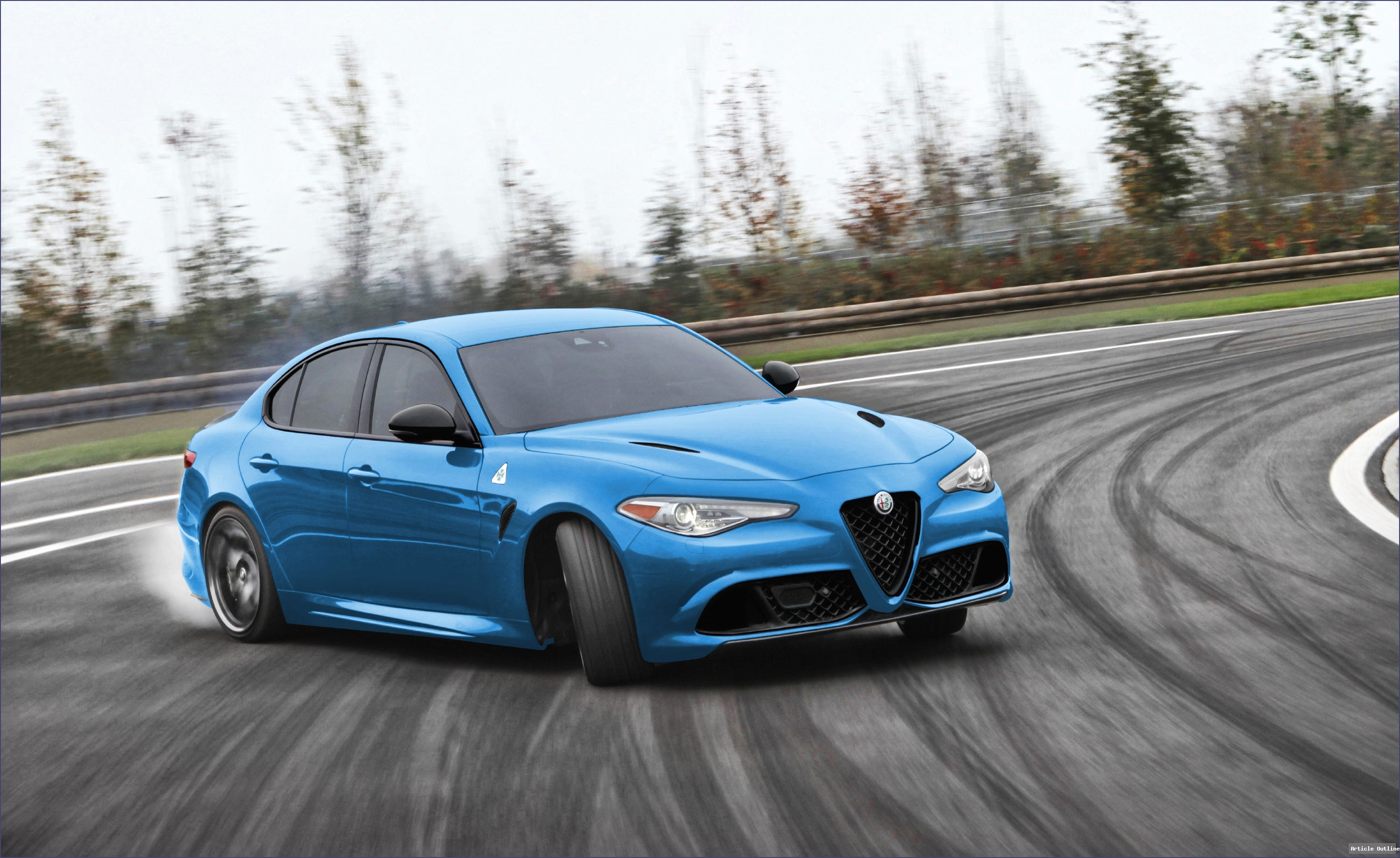
- Multi-powertrain strategies: Despite the electric push, several brands (Alfa Romeo, BMW, Bentley) will continue offering combustion and hybrid versions alongside EVs. Why? It’s a hedge against unpredictable market shifts and infrastructure lags.
- Charging infrastructure will be tested: With so many high-performance EVs boasting ultra-fast charging, will public networks keep up? The race for 350 kW+ chargers is just beginning—and it’s not a done deal.
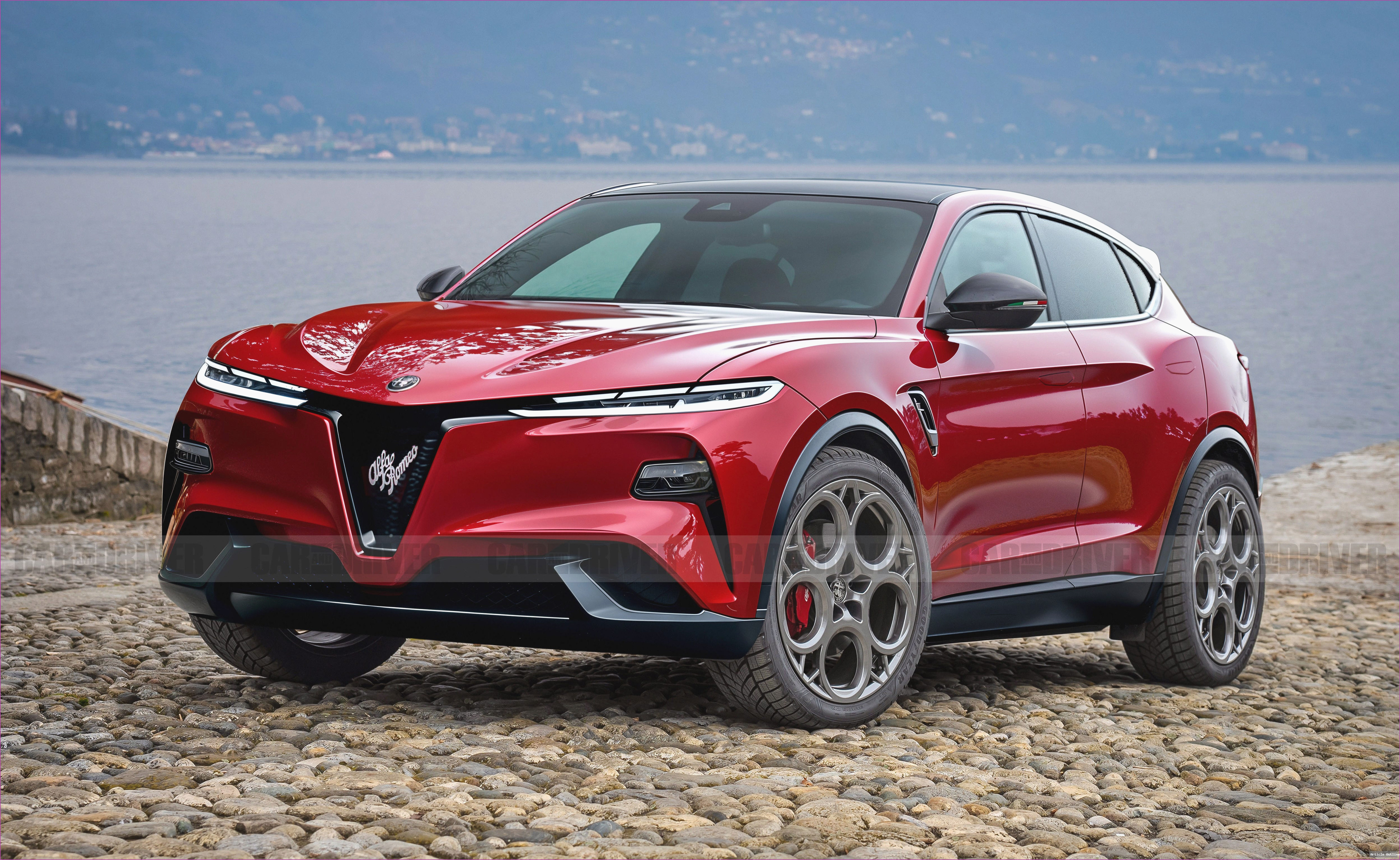
- Regulatory and market risks: Delays (like Alfa’s Stelvio EV pushed to 2027) show that even giants face supply chain hurdles, regulatory complexity, and uncertain consumer demand.
- Luxury brands, democratized tech: Features once exclusive to six-figure EVs (like 400-mile ranges or 0-60 in 3 seconds) are trickling down to mainstream models. Kia’s $30k EV3 claims a 350-mile range—are we finally seeing EVs for the masses?
Key Takeaways: What the Next EV Era Brings
- Range Anxiety is Getting Crushed: Multiple new models promise 400+ miles per charge (Jaguar I-Type, BMW i3, etc.), closing the last big psychological gap for buyers.
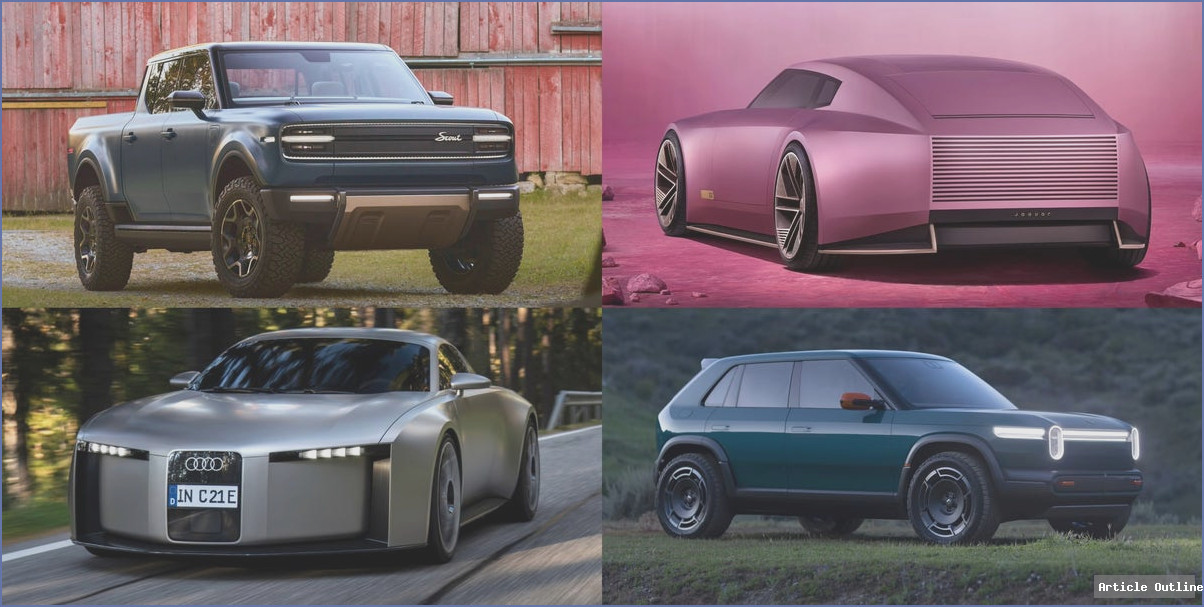
- Performance and Personality: Expect fake gearshifts (BMW iM3), wild acceleration (Ferrari Luce’s 0-60 in 2.5s), and design risks (Audi Concept C’s radical styling).
- Affordability—Finally? Ford and Kia are targeting the $30,000 mark for new EVs, putting real pressure on Tesla and legacy brands to compete on price and range.
- The Rise of Electric SUVs and Vans: Crossovers and vans (Hyundai/GM partnership, Genesis GV90, etc.) highlight the shift from niche to mainstream. The family hauler is going electric, and soon work fleets will too.
- Hydrogen’s Not Dead: BMW’s iX5 hydrogen variant (co-developed with Toyota) shows some automakers aren’t giving up on alternative fuels.
Industry Context: How Does This Compare?
- In 2023, EVs accounted for about 7% of U.S. new car sales. With over 100 new EV models expected by 2027 (according to the International Energy Agency), experts predict EV market share could hit 20% by the decade’s end—if infrastructure keeps up.
- Tesla’s Model 3 and Y have dominated so far, but legacy automakers are catching up, especially in the $30k-$60k segment. Ford, Kia, and Hyundai are all gunning for Tesla’s crown.
- It’s not just about cars: Electric vans, trucks, and even quadricycles (like Fiat’s tiny Topolino) are expanding the market in unexpected directions.
Action Steps & Practical Implications
- Considering an EV? Wait for late 2025-2027: Your options are about to explode in terms of range, price, and style.
- If you love performance, watch for the next-gen BMW iM3, Audi Concept C, and Ferrari Luce—they’re aiming to prove EVs can thrill true gearheads.
- If you want to go green on a budget, keep an eye on the Ford Universal EV truck and Kia EV3. The era of affordable, practical EVs is finally dawning.
- Fleet buyer or business owner? Electric vans and large SUVs (Hyundai/GM, Genesis GV90) are coming soon. Start planning your infrastructure.
The Bottom Line: Are We Ready for the EV Flood?
The next few years will see an unprecedented wave of electric cars, SUVs, and trucks—most of which will go far beyond the “appliance” stereotype. 2025-2027 could be the tipping point for mass EV adoption, but challenges remain: charging infrastructure, affordability, and convincing die-hard enthusiasts that electrons can be as much fun as gasoline.
One thing’s for sure: If you think you know what an EV is, get ready to be surprised. The future is electric—and it’s about to get very interesting.