The assassination of former Japanese Prime Minister Shinzo Abe sent shockwaves around the world. Leaders from every continent scrambled to react, offering condolences and grappling with the implications of this tragic event. But why does this story resonate so far beyond Japan’s borders? Let’s dig deeper into what most headlines miss—and why Abe’s death signals more than just a national tragedy.
Why This Matters
- Abe was Japan’s longest-serving prime minister, steering the country through turbulent times and redefining its global posture.
- Japan is the world’s third-largest economy—what happens in Tokyo sends ripples through global markets and politics.
- Political violence is exceedingly rare in Japan, making this act all the more shocking and destabilizing.
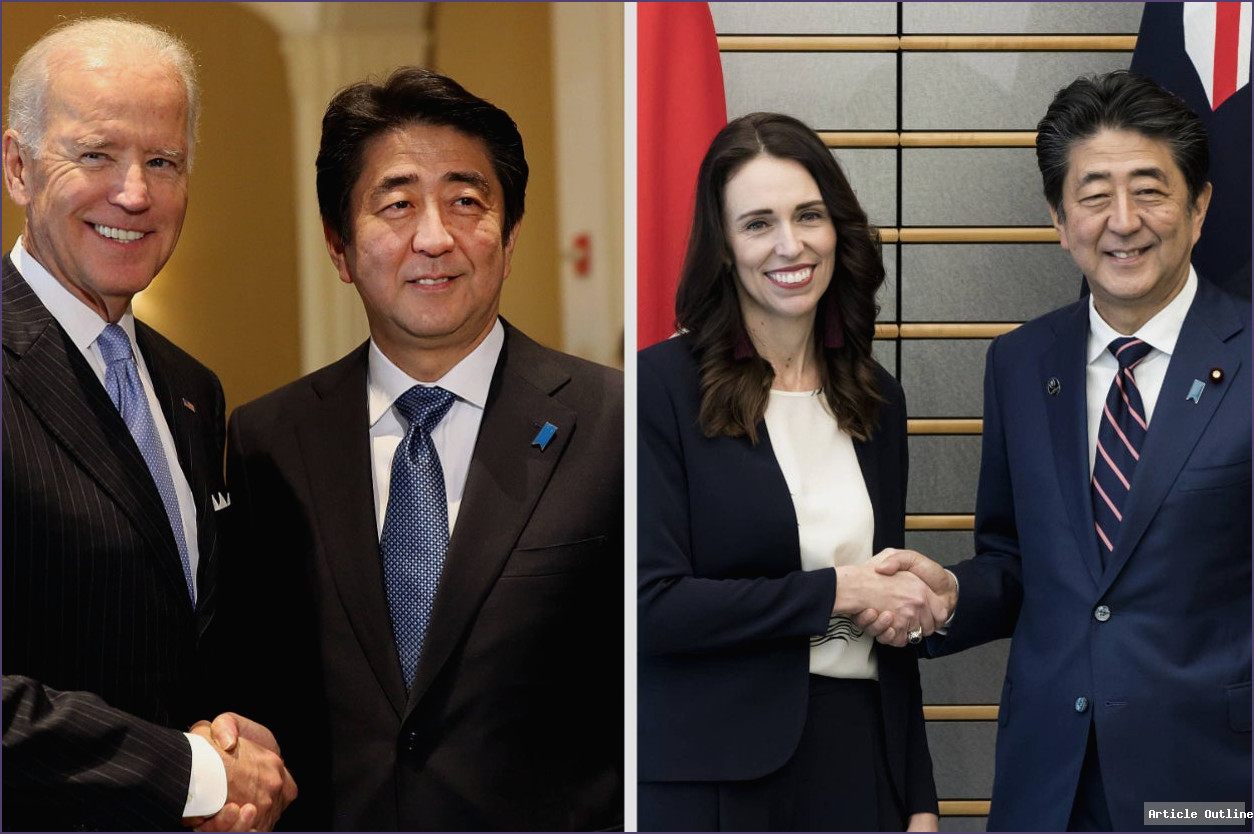
International leaders—from U.S. President Joe Biden to Indian Prime Minister Narendra Modi—expressed not just sadness, but genuine alarm. For many, Abe’s assassination highlights the vulnerability of even the most stable democracies.
What Most People Miss
- Abe’s vision for a “normal” Japan—he championed a more assertive foreign policy, increased defense spending, and sought to amend Japan’s pacifist constitution. His legacy was shaping a new era for Japanese self-identity and global engagement.
- Economic impact: The “Abenomics” program—Abe’s blend of monetary easing, fiscal stimulus, and structural reforms—helped pull Japan out of decades-long stagnation. His sudden loss raises uncertainty about the continuity of these policies.
- Regional security concerns: With tensions simmering in the Asia-Pacific (think North Korea, China-Taiwan relations), Abe’s leadership was a key stabilizing force. His absence leaves a diplomatic vacuum at a precarious moment.
Key Takeaways
- Global markets react: Japanese stocks wobbled after the news broke, underlining Abe’s influence on investor confidence.
- Diplomatic fallout: Allies and rivals alike are recalibrating their approach to Japan, especially with questions hanging over the nation’s future direction.
- The safety of public officials: The attack prompts fresh scrutiny of security measures worldwide—even in countries known for low crime rates.
Expert Commentary
“Abe was not just a Japanese leader—he was a global statesman. His death is a loss for all who value stability and democratic leadership in Asia,” says Dr. Lisa Martin, Professor of International Relations.
Broader Context & Comparisons
- Few leaders in postwar Japan have had such a transformative impact. Comparisons abound to global figures like Angela Merkel or Lee Kuan Yew, who steered their countries through periods of dramatic change.
- Japan’s last high-profile political assassination was in 1960, making this event almost unprecedented in the modern era.
- Globally, attacks on prominent leaders (e.g., Benazir Bhutto, Yitzhak Rabin) have often sparked periods of national soul-searching and policy shifts. Will Japan see a similar reckoning?
Action Steps & Implications
- Global governments will likely review security protocols for public officials, even in low-risk countries.
- Investors and policymakers should watch for signals from Japan’s ruling party about the future of Abenomics and foreign policy.
- Japan’s neighbors—and rivals—will test the waters to see if the country’s stance shifts in the wake of Abe’s death.
The Bottom Line
Shinzo Abe’s assassination is a seismic event for Japan—but its aftershocks will be felt worldwide. It’s a wake-up call about the fragility of stability, the importance of strong leadership, and the ripple effects one leader’s vision can have in an uncertain world.